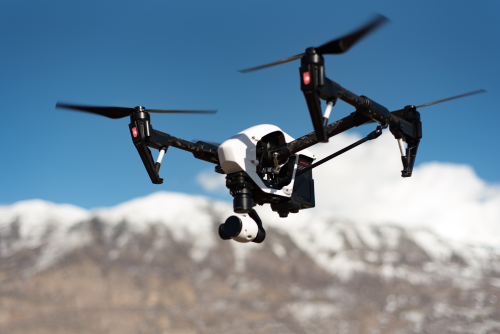
Figuring out how to choose the best drone for freelancers building a side business without overspending or buying the wrong features comes down to one rule: buy for the work you can realistically sell, not for the work you imagine doing someday. The right drone should help you deliver clean, repeatable results, keep your workflow simple, and stay legal and practical in the places you fly. For most new freelancers, that means avoiding both the ultra-cheap entry drone and the expensive “pro” setup that adds cost faster than revenue.
Quick Take
If you want the short version, this is it:
- The best first drone for a freelance side business is usually a reliable foldable camera drone in the middle of the market, not the cheapest beginner drone and not the biggest flagship.
- Buy based on your first paid service: real estate photos, social content, roof documentation, tourism promos, construction progress, or another clear deliverable.
- Prioritize reliability, battery ecosystem, safe flight features, wind stability, repair support, and workflow speed before chasing extreme camera specs.
- Do not pay upfront for specialized features like thermal cameras, advanced mapping tools, or heavy cinema codecs unless you already have clients who need them.
- The real cost is not just the drone. Batteries, memory cards, filters, insurance, training, storage, editing time, and repair downtime matter.
- Before taking paid work, verify local aviation rules, location permissions, privacy requirements, and whether commercial flying is treated differently from recreational flying where you operate.
Start with the side business, not the spec sheet
A lot of first-time buyers ask, “What’s the best drone?” The better question is, “What kind of client work am I trying to get in the next 90 days?”
That change in thinking saves money.
A side-business drone is a tool for paid output. Clients do not usually care whether your drone has the highest resolution on paper. They care whether you can deliver usable photos, smooth video, consistent results, and a professional experience.
Here is the simplest way to think about it:
| If you plan to sell | What clients usually want | Prioritize these features | Usually unnecessary at the start |
|---|---|---|---|
| Real estate and hospitality | Clean exterior photos, smooth reveal shots, short marketing clips | Reliable flight, good daylight image quality, wide-angle view, quick setup, three or more batteries | Enterprise mapping tools, thermal, heavy cinema features |
| Social content for local brands | Short vertical clips, dramatic movement, fast turnaround | Easy transfer workflow, stable video, good subject tracking if available, portability | Very high-end stills performance, specialized survey features |
| Roof, facade, and property documentation | Safe stand-off shots, repeatable angles, detail capture | Strong stability, obstacle sensing, zoom or telephoto option if available, dependable return-to-home | FPV setup, advanced color grading formats if clients only want quick proofs |
| Travel creator plus client promo work | Portability, good auto modes, compact kit, decent stills and video | Lightweight form factor, easy packing, fast batteries, simple editing workflow | Large heavy airframe, niche inspection tools |
| Mapping or technical inspection | Overlapping images, accurate repeat flights, software compatibility | Workflow compatibility, repeatability, mission planning support if needed, client-specific output requirements | Buying a generic content drone and hoping it becomes a survey platform |
The goal is to match the drone to the service, not to your fear of “outgrowing” the purchase too quickly. Most freelancers do not outgrow a drone because it lacks headline specs. They outgrow it because it slows them down, struggles in wind, lacks spare batteries, or does not fit the jobs they actually win.
The three smartest buying paths for freelancers
Most buyers fall into one of three lanes.
1. The lightweight starter drone
This is the best fit if you are:
- brand new to drone work
- building a side hustle around simple content
- traveling often
- mostly shooting in good daylight
- trying to keep the full kit small and affordable
A lightweight starter drone can work very well for:
- basic real estate exterior shots
- tourism and travel reels
- restaurant, cafe, resort, and small business promos
- social media clips for local brands
- simple stock footage gathering
Why it works:
- Easier to carry everywhere
- Lower friction for casual or fast-turnaround work
- Less intimidating around clients
- Often enough quality for online delivery
Where it can disappoint:
- wind performance can be weaker
- low-light results are usually less forgiving
- smaller airframes can feel less confidence-inspiring on bigger commercial shoots
- you may hit limits sooner if you move into premium property or inspection work
Who will regret this choice: freelancers who already know they want to shoot larger properties, work in windy coastal or elevated areas, or deliver more demanding commercial video regularly.
2. The midrange all-rounder
For most freelancers starting a side business, this is the safest answer.
This class usually gives you the best balance of:
- image quality
- flight stability
- battery life
- safety features
- portability
- resale value
- repair and accessory support
A midrange all-rounder is often the right first business drone if you want to serve:
- real estate agents
- hotels and short-term rentals
- local tourism boards
- construction progress clients
- corporate social media teams
- small agencies that need recurring content
Why this category wins so often:
- Better wind handling than the smallest drones
- More room to grow without jumping straight to a specialist platform
- More professional results with less effort
- Often the sweet spot between “good enough” and “too expensive”
If you only remember one thing from this article, remember this: the best drone for freelancers building a side business is usually the midrange all-rounder with a strong support ecosystem, not the cheapest aircraft and not the flagship.
3. The specialized or prosumer platform
This route makes sense only when your business model already justifies it.
You may need a higher-end or more specialized platform if you are moving into:
- premium commercial filmmaking
- technical inspection
- engineering, surveying, or mapping
- repeat work in tougher conditions
- clients who request very specific formats or outputs
This level can include features such as:
- more flexible video files for color grading
- better low-light performance
- multiple focal lengths
- specialized sensors
- workflow support for technical missions
But this is also where overspending happens fastest.
The biggest mistake new freelancers make is buying a drone for a future business they have not validated yet. If you do not already have clients asking for advanced deliverables, the extra cost may sit idle while you are still trying to land your first jobs.
A note on FPV drones
FPV means first-person view flying, usually associated with faster, more immersive footage and manual piloting. FPV can be amazing for action content, chase shots, and stylized brand videos.
It is usually not the best first drone for a beginner building a side business.
Why:
- steeper learning curve
- higher crash risk while learning
- less suited to mainstream client deliverables like smooth real estate and property video
- more time spent mastering flight instead of selling services
If your business idea is specifically built around dynamic FPV work, that is a different path. Otherwise, start with a stabilized camera drone.
Features worth paying for first
The easiest way to avoid buying the wrong features is to rank them by business value.
1. Reliability and support
This matters more than almost anything on the spec sheet.
A drone that works consistently, updates cleanly, holds connection well, and has available batteries and replacement props is worth more than a more impressive drone that leaves you waiting for parts.
For a side business, ask:
- Can I easily get batteries and props?
- Is repair support realistic in my market?
- Is there a good resale market if I upgrade later?
- Do people trust this ecosystem for paid work?
2. Stable image quality in real conditions
Do not obsess over headline resolution alone.
What matters more:
- clean footage in normal daylight
- enough dynamic range to handle bright skies and darker buildings
- good stills if you plan to sell photography
- consistent exposure and color
- footage your computer can edit without pain
If you mainly deliver short social clips, you probably do not need the heaviest professional video formats. If you plan to grade footage heavily, a flatter video profile, often called log, can help by preserving more flexibility for color work.
3. Wind performance and general flight confidence
A drone that looks great on paper but struggles in moderate wind is bad for paid work. Real jobs rarely happen on perfect calm mornings.
This is especially important if you work in:
- coastal areas
- hill towns
- rooftops
- open rural property
- tall building corridors
4. Battery ecosystem
A business drone is not just the aircraft. It is a working kit.
You want enough batteries to complete a job without rushing, enough charging convenience to reset quickly, and enough confidence that battery replacements will still be available later.
For most freelance work, one battery is not enough, and two is often still tight.
5. Obstacle sensing and safety aids
Obstacle sensing is not a substitute for pilot skill, but it can reduce risk, especially when you are solo, under time pressure, or flying around property features.
New freelancers often underrate this because it feels less exciting than camera specs. In client work, avoiding a tree, wall, wire zone, or roof edge matters far more than winning a spec-sheet argument.
6. Workflow speed
Fast transfer, simple file management, predictable app behavior, and easy setup all matter.
A side business lives or dies on turnaround. If your drone produces giant files your laptop struggles to process, or if the app workflow is clumsy, you may lose more time in post-production than you gained in quality.
7. Portability
A slightly smaller kit gets used more often.
If you plan to carry the drone on client visits, while traveling, or alongside a camera bag and laptop, size matters. The best drone is the one you can bring, set up, and fly without making the whole job harder.
Features many freelancers overbuy
These features are not bad. They are just often unnecessary at the beginning.
Extreme resolution
If your clients mostly want web delivery, social clips, listing pages, or short brand edits, massive resolution alone will not win work. Good framing, clean movement, and fast delivery matter more.
Heavy cinema-oriented formats
Advanced recording options are valuable for high-end production. They are less valuable if your clients want quick edits for Instagram, property portals, or general promotional use.
Thermal sensors
Thermal cameras are useful for certain inspections and industrial work. They are not a smart “just in case” purchase for most beginner freelancers.
RTK and advanced survey positioning
RTK stands for real-time kinematic positioning, which improves location accuracy for technical workflows. It is great when clients need mapping accuracy. It is expensive overkill if you are mostly shooting marketing content.
Specialized mapping capability without software plans
Photogrammetry, which turns overlapping images into maps or 3D models, is a full workflow, not a checkbox. If you do not already understand the software, deliverables, and accuracy expectations, do not buy for it yet.
Large heavy airframes for simple jobs
Bigger is not always more professional. Sometimes it just means more transport hassle, more setup time, stricter operational limits, and more cost.
The real budget: what your drone actually costs to operate
Overspending often happens because buyers focus on aircraft price and ignore everything else.
Your real starter budget may include:
- extra batteries
- charger or hub
- spare propellers
- memory cards
- neutral density filters for video if needed
- protective case or bag
- screen visibility solution for bright days
- landing pad depending on locations
- insurance, if required or prudent
- training or exam costs where applicable
- editing software
- storage drives and backups
- possible repair downtime
- travel battery compliance planning if you fly with airlines
A slightly more expensive drone with better reliability and a stronger accessory ecosystem can be cheaper over time than a bargain purchase that causes missed jobs, poor battery availability, or difficult repairs.
How to choose in 7 practical steps
Here is the simplest buying process for a freelancer who wants to make a smart decision quickly.
1. Pick your first paid service
Be specific.
Not “content creation.” Instead:
- real estate listing packages
- resort and hotel promo clips
- local business reels
- construction progress updates
- roof and facade documentation
- travel destination content for tourism clients
If you cannot name the service, you are not ready to choose the drone.
2. List the exact deliverables clients will receive
Write down what you plan to deliver:
- number of edited photos
- short vertical video
- 30 to 60 second promo edit
- raw files only
- repeat monthly progress shots
- documentation images
This step prevents you from buying features that do not help you deliver what you sell.
3. Set an all-in budget, not just an aircraft budget
Decide what you can spend on the complete working kit. Include the non-drone items above.
This forces tradeoffs early and keeps you from buying a premium aircraft with too few batteries or no room for training and accessories.
4. Choose the smallest drone class that can do the job reliably
This is where many smart buyers save money.
If a compact foldable drone can deliver your service well, do not jump to a heavier platform just to feel “professional.” The smallest reliable option is often the best option for a side business.
5. Add only the features that solve a real client problem
Ask this question for every premium feature:
“What client problem does this solve right now?”
Examples:
- Better low-light performance may matter if you shoot luxury property at sunrise or sunset.
- A zoom or telephoto view may matter for roof and facade detail.
- Better obstacle sensing may matter in tighter locations.
- Advanced color files may matter if you work with agencies or serious editors.
If you cannot connect the feature to paid work, skip it for now.
6. Check local rules and operating friction before buying
In many countries, commercial drone work has different rules from recreational use. Before you buy, verify:
- registration requirements
- pilot qualification or licensing rules
- remote identification or equivalent requirements if applicable
- airspace restrictions near your job sites
- whether local parks, venues, beaches, or private property owners allow takeoff and landing
- any insurance expectations from clients or local law
A drone that looks perfect online may be a poor fit if it creates more compliance friction in your normal work area.
7. Stress-test the full workflow before you commit
Think beyond flight.
Ask yourself:
- Can I carry this with my normal work kit?
- Can my computer edit the files smoothly?
- Can I back up a full shoot quickly?
- Can I finish a standard client job with my battery plan?
- If this drone needs repair, what is my backup plan?
The right drone is the one that fits your full freelance workflow from booking to delivery.
Safety, legal, and operational checks before your first paid flight
A side business changes the stakes. You are no longer flying only for fun. You are representing a brand, working around property, and possibly operating in regulated airspace.
Before doing paid work, verify the following with the relevant authority in your country or local area:
- whether commercial operations are regulated differently from recreational flying
- where you can and cannot fly
- any permissions required for controlled or restricted airspace
- whether flights over people, roads, vehicles, or gatherings are limited
- night operation rules
- privacy and data protection expectations when filming homes, guests, or businesses
- whether your client’s site also requires owner or venue permission
- travel and airline battery rules if crossing borders for work
Also remember: a legal flight may still be a bad business decision if the environment is unsafe, crowded, windy, privacy-sensitive, or likely to upset people on site.
Common mistakes that waste money or lead to bad client work
Buying for YouTube envy instead of local demand
The drone that looks best in a review may not be the drone that helps you land small recurring jobs.
Starting too cheap
Very cheap drones often create more frustration than savings. Poor reliability and weak image quality can make client work harder than it should be.
Starting too expensive
An advanced platform does not create clients by itself. If your side business is still unproven, keep the investment proportional.
Ignoring wind, light, and real-world conditions
A drone that performs well in perfect sunlight may not be good enough in your actual work environment.
Underbudgeting batteries and storage
Running out of power or storage in front of a client feels unprofessional fast.
Choosing FPV for standard commercial work
Unless your niche is specifically action-heavy cinematic work, a stabilized camera drone is usually the smarter business tool.
Forgetting editing and delivery
If you cannot edit, export, back up, and deliver efficiently, the drone’s specs will not save you.
FAQ
Should I start with a sub-250 g drone for freelance work?
It can be a smart choice if your work is mostly travel content, simple social clips, and basic real estate in good conditions. But do not assume lighter always means better. You may trade away wind stability, low-light performance, and room to grow.
Is a more expensive camera always worth it for paid clients?
No. For many beginner freelancers, clients care more about composition, smooth movement, fast turnaround, and professionalism than about top-end camera specs. Better image quality matters, but only when it changes the actual deliverable.
Do I need obstacle sensing on my first business drone?
For most freelancers, it is worth having if the budget allows. It adds a margin of safety, especially around buildings, trees, and tight job sites. It is not a replacement for good piloting, but it is a useful business feature.
How many batteries should a freelance drone kit have?
Enough to finish a standard job with margin. The right number depends on your shoot style, weather, and travel plan, but one is not enough for commercial work, and two can still be limiting. Build your kit for realistic job days, not ideal ones.
Should I buy used or refurbished?
Used or refurbished can be a very good value if the seller is reputable and the aircraft, batteries, and accessories are in known condition. Be careful with unknown crash history, weak battery health, missing accessories, and lack of warranty or support.
Can one drone handle both travel content and local client jobs?
Yes, often. That is why the midrange all-rounder is such a strong category. If your work is mostly marketing, tourism, social content, and basic property shoots, one well-chosen drone can cover a lot.
Should I buy a mapping-capable drone now in case I move into surveying later?
Usually no. Mapping is a workflow business, not just a drone purchase. Unless you already understand the software, accuracy requirements, and client expectations, start with the service you can sell now.
What is the biggest sign I am buying the wrong drone?
If most of the features you are paying for do not connect directly to a service you plan to sell soon, you are probably buying the wrong drone.
The smartest first buy is the drone that earns, not the drone that impresses
If you are building a side business, the best drone is the one that helps you book real work, fly safely, deliver consistently, and upgrade later from a position of revenue instead of regret. For most people, that means a reliable midrange camera drone with enough batteries, good support, and only the features their first clients will actually pay for.