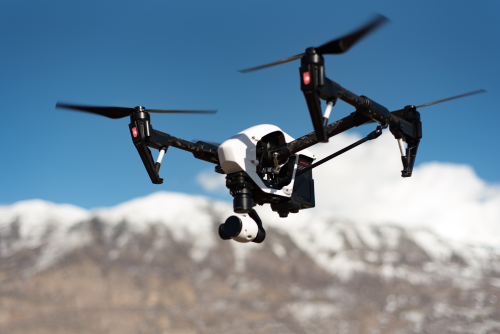
If you are trying to figure out how to choose the best drone for real estate agents without overspending or buying the wrong features, the good news is that most agents do not need the most expensive aircraft on the market. The right choice usually comes down to three things: the type of listings you market, how often you will actually fly, and how much legal, safety, and editing work you want to handle yourself. Buy for deliverables and workflow, not for spec-sheet bragging rights.
Quick Take
For most real estate agents, the smartest buy is a reliable foldable camera drone with:
- Strong photo quality for exterior stills
- Stable 4K video
- Good wind handling
- Reliable obstacle sensing
- Easy app/controller workflow
- At least a few spare batteries available
- Reasonable repair and parts support in your market
In practical terms:
- Occasional agents and beginners usually do best with a sub-250g foldable drone if local rules and weather conditions make that class practical.
- Most active real estate agents get the best balance from a midrange foldable drone with better wind performance and a more flexible camera setup.
- Luxury listing teams, acreage specialists, and high-volume in-house media teams may benefit from a larger-sensor prosumer drone, but only if they will actually use the extra image quality often enough to justify the higher cost.
The biggest buying mistake is paying for cinema-style features, extreme range, or specialist capabilities that do not improve listing photos, social clips, or client turnaround time.
Key Points
- The best drone for real estate is not the “best drone” overall. It is the one that fits your listings, your market, and your skill level.
- For most agents, ease of use, safety features, and dependable image quality matter more than headline resolution.
- A sub-250g drone can be a smart low-friction option, but it is not automatically exempt from rules everywhere.
- A midrange foldable drone is often the best value because it handles wind better and usually feels less limiting as your work grows.
- A larger sensor helps most with twilight shoots, luxury homes, and high-contrast scenes, not every everyday listing.
- If you only need aerials a few times a month, hiring a licensed local drone professional may be cheaper and lower risk than buying.
First, decide whether you should buy a drone at all
This is the step many agents skip.
Buying a drone only makes sense if it will save money, speed up marketing, or give you enough creative control to improve your listings consistently. If not, outsourcing may be the better business decision.
Buying usually makes sense if
- You market listings regularly and want aerial content on demand
- You work in areas where aerials genuinely help sell the property
- You want quick social clips in addition to MLS-style stills
- You are willing to learn safe flight, editing, and compliance basics
- You want to build an in-house listing media workflow
Hiring a drone operator may be smarter if
- You only need drone shots occasionally
- You do not want to deal with permits, airspace checks, or insurance questions
- You work near airports, dense urban areas, coastlines, or high-wind locations
- You need premium cinematic content for a few luxury listings rather than routine weekly shoots
- You dislike editing or do not have time for it
A lot of overspending happens because agents buy a drone when they really needed a good local pilot on call.
The real estate deliverables that should drive your purchase
Do not start with model names. Start with the work.
Standard residential exteriors
This is the most common use case.
Typical needs:
- Front elevation hero shot
- High-angle roofline view
- Backyard and pool overview
- Lot context
- Short smooth reveal clips
For this work, you usually need:
- Sharp still photos
- Good dynamic range for bright skies and darker shadows
- Stable hovering
- Easy, repeatable flight controls
- Safe, predictable return-to-home behavior
You usually do not need:
- Interchangeable lenses
- 6K or 8K capture
- Enterprise mapping tools
- Thermal imaging
- Heavy-lift rigs
Neighborhood and context shots
These are useful for showing parks, water access, golf views, schools, beach proximity, or downtown context.
What matters here:
- Good wind resistance
- Enough battery life for multiple angles
- Clean, stabilized video
- A camera that does not make everything look distorted
A telephoto or secondary lens can be useful for compressing distance and showing context more naturally, but it is not mandatory for every agent.
Luxury properties and twilight marketing
This is where image quality starts to matter more.
You may benefit from:
- Larger sensor performance in lower light
- Better highlight retention in bright windows and skies
- Cleaner shadows
- More flexibility in color grading and editing
If luxury listings are a core part of your business, this is where moving above entry-level gear can make sense.
Land, acreage, and large estates
For big parcels, equestrian properties, ranches, or development land, you need:
- Longer practical flight time
- Strong wind handling
- Reliable navigation
- Clear wide shots plus occasional tighter framing
- A workflow that lets you capture enough coverage efficiently
This is one of the few use cases where stepping up from a small lightweight drone often feels worthwhile.
The features that are actually worth paying for
A lot of drone marketing focuses on specs that look impressive but do not change client outcomes much.
Pay for these features first
| Feature | Why it matters for real estate |
|---|---|
| Reliable obstacle sensing | Helps reduce risk when flying around trees, rooflines, and backyards |
| Stable gimbal | Keeps photos and video smooth and professional |
| RAW photo capture | Gives you better editing flexibility for shadows, sky, and color |
| AEB or HDR photo options | Helpful for high-contrast scenes common in property shoots |
| Good wind performance | More important than many buyers expect, especially on open lots or coastal listings |
| Strong battery ecosystem | Spare batteries matter more than headline max flight time |
| Simple controller/app experience | Faster setup, fewer mistakes, less stress on location |
| Good repair and parts availability | Crashes and wear happen; downtime costs money |
Features that are often overrated for this use case
| Feature | Why many agents overpay for it |
|---|---|
| 6K or 8K video | Most listing platforms and social deliverables do not need it |
| Extreme transmission range | Real estate work is usually close-range and line-of-sight |
| Advanced pro color profiles | Useful for some creators, but not necessary for fast-turn listing edits |
| Ultra-high frame rates | Rarely critical for normal real estate videos |
| Interchangeable lens systems | Expensive and unnecessary for most agents |
| Enterprise sensors and payloads | Usually irrelevant unless you do specialist inspections or industrial work |
| FPV-style capabilities | Exciting, but not what most property marketers need |
Sensor size, camera quality, and the truth about image specs
Real estate buyers often obsess over megapixels and video resolution. That is usually the wrong place to focus.
What matters more:
- How well the camera handles bright skies and dark roofs at the same time
- Whether the lens looks natural instead of overly wide and stretched
- How clean the image stays in late afternoon or twilight
- Whether you can edit the files without the image falling apart
A larger sensor can absolutely help, especially for:
- Luxury homes
- Sunset or twilight shoots
- High-contrast architecture
- Premium branded video
But if your main output is compressed web listings and short social clips, a smaller modern sensor may already be enough. Many agents never recover the extra cost of a premium camera drone because their audience sees the final content on phones and portals, not on calibrated cinema displays.
Which drone class fits which real estate agent
This is the simplest buying framework.
| Drone class | Best for | Main strengths | Main tradeoffs |
|---|---|---|---|
| Sub-250g foldable drone | Beginners, occasional agents, travel-friendly use | Portable, lower barrier in some markets, easy to carry daily | More affected by wind, can feel limited on larger properties |
| Midrange foldable drone | Most active real estate agents | Better wind handling, stronger all-around workflow, often more flexible camera options | Higher cost, more regulatory friction in some places |
| Larger-sensor prosumer foldable drone | Luxury teams, high-volume creators, acreage specialists | Better image quality, stronger low-light performance, more headroom for premium work | Expensive, heavier, overkill for many basic listings |
| Enterprise/specialist drone | Inspection or industrial crossover businesses | Highly specialized capability | Usually the wrong buy for normal real estate marketing |
Real-world examples of these classes
If you are comparing actual products, examples often discussed in these categories include:
- Sub-250g class: DJI Mini 4 Pro class
- Midrange foldable class: DJI Air 3 class
- Prosumer larger-sensor class: DJI Mavic 3 Classic class, Autel EVO Lite+ class
Use those as reference points, not automatic recommendations. Availability, local support, firmware maturity, and your regional rules may matter as much as the aircraft itself.
The best choice for most real estate agents
For most agents, the sweet spot is a midrange foldable camera drone.
Why?
Because it usually gives you the best mix of:
- Better wind performance than the smallest drones
- More confidence on bigger properties
- Better battery efficiency in real work
- Cleaner video movement
- Enough image quality for premium listings without jumping into enterprise pricing
If you shoot more than just the occasional suburban listing, this category is where buyer regret tends to be lowest.
When a sub-250g drone is the smarter buy
Do not dismiss the smaller class.
A sub-250g drone can be the right choice if you:
- Want the lightest possible travel setup
- Mainly shoot standard homes in calmer conditions
- Want to keep your first purchase lower risk
- Need something you will actually carry and use often
- Work in regions where lighter drones may have simpler operational requirements
That last point matters, but verify the rules carefully. In some places, lighter drones reduce administrative burden. In others, commercial work, local restrictions, privacy rules, or airspace limitations still apply.
The downside is simple: small drones are easier to outgrow if your work expands into windier, larger, or more demanding properties.
When a premium larger-sensor drone is worth it
A premium prosumer drone is worth considering if at least several of these are true:
- You shoot luxury listings regularly
- Twilight work is part of your service
- You want stronger results straight out of camera
- Your brand depends on polished cinematic marketing
- You work on large estates or high-end developments
- You can clearly justify the higher all-in cost
If you mainly shoot standard residential properties in good light, premium gear may make you feel better more than it helps you sell better.
A simple 7-step buying process
1. Define your listing mix
Ask:
- Mostly small homes, condos, and suburban lots?
- Luxury homes?
- Rural acreage or waterfront properties?
- Dense urban areas with tighter operating limits?
Your environment should shape your drone choice as much as your budget.
2. Decide if photos or video matter more
If your work is mostly listing stills, prioritize:
- RAW photos
- AEB/HDR support
- Stable hover
- Natural-looking lens rendering
If short-form social video is equally important, add:
- Smooth subject tracking only if you will use it safely
- Good stabilization
- Easy vertical or cropped delivery workflow
- Faster deployment and easier repeatable movement
3. Be honest about wind and space
Many buyers underestimate this.
If you work in:
- Coastal markets
- Open farmland
- Hilltop properties
- High-rise corridors
You may want more than the smallest drone class.
4. Set an all-in budget, not an aircraft-only budget
Your actual spend is not just the drone.
Budget for:
- Two to four batteries
- A charger or charging hub
- Spare propellers
- Fast memory cards
- A protective case or bag
- ND filters if you care about smoother video shutter control
- Training time
- Possible insurance or business coverage
- Editing software and storage
5. Check local repair and support reality
Before buying, ask:
- Can you get batteries easily?
- Are parts and props easy to replace?
- Is there service support in your region?
- How long would downtime last if something breaks?
A slightly less glamorous drone with strong support can be the better business tool.
6. Match the drone to your skill level
If you are new, prioritize:
- Simpler controls
- Strong obstacle sensing
- Reliable automated return features
- Predictable setup and calibration
- Lower stress on takeoff and landing
A harder-to-manage drone is not “more professional” if it creates more risk.
7. Verify the rules before taking paid work
This matters globally. Commercial real estate drone use may involve different requirements from casual recreational flying. Verify what applies in your jurisdiction before your first client shoot.
Budget for the full kit, not just the drone
Here is where a lot of “cheap” drone purchases stop being cheap.
Must-have items
- At least 2 extra batteries
- Spare propellers
- High-quality memory cards
- Protective case or shoulder bag
- Cleaning cloth and basic care kit
- Phone/tablet sun visibility solution if needed
- External storage for backing up media
Nice to have, but not always necessary on day one
- ND filters
- Landing pad
- Tablet mount
- Extra charger for car use
- Screen protector
- Hood or sunshade
- Portable power station
If your budget is tight, spend on batteries and reliability before you spend on cinematic accessories.
Safety, legal, and compliance checks you cannot ignore
Real estate drone work is not just a gear choice. It is an operational responsibility.
Rules vary widely by country and sometimes by region, city, property type, and airspace. Before flying for any listing, verify the current requirements with the relevant aviation authority and, where relevant, local property or venue managers.
Things to verify before commercial property shoots
- Whether commercial drone operations require registration, certification, licensing, or pilot competency proof
- Whether the drone itself must be registered or electronically identified
- Whether the property is near controlled or restricted airspace
- Whether local rules limit flight near roads, crowds, neighboring homes, or sensitive sites
- Whether insurance is required or strongly advisable for paid work
- Whether the property owner has actually authorized the flight
- Whether privacy, data protection, or local marketing rules affect what you can film and publish
Operational risks real estate agents often underestimate
- Trees and branches behind the aircraft during reverse shots
- Power lines near driveways and side yards
- Gusty wind around buildings and roofs
- People, pets, and vehicles entering the scene
- Loss of satellite positioning near structures
- Low-light performance dropping late in the day
- Misleading imagery if lot lines or overlays are used carelessly
Do not assume a normal listing makes the flight simple. Some of the hardest real estate locations are short, rushed shoots in tight suburban spaces.
Common mistakes that lead to overspending or buyer regret
Buying for spec sheets instead of listing outcomes
If your final output is web listing photos and social clips, you do not need cinema-level capture just because it exists.
Assuming the smallest drone is always enough
Lightweight drones are great until the wind rises or the property gets larger and more exposed.
Ignoring the total workflow
The drone is only one part of the job. You also need:
- Preflight planning
- Safe operation
- File management
- Editing
- Delivery
A slightly simpler drone that speeds all of that up may be worth more than a technically better one.
Overvaluing autonomous features
Smart modes can be helpful, but they do not replace judgment. Manual control, stable flight, and situational awareness matter more around homes, trees, and streets.
Buying for indoor flights
Many agents imagine dramatic indoor drone tours. In reality, indoor flight is far more specialized, riskier around property, and often unnecessary for normal marketing. Do not buy a drone based on that fantasy unless you already have the skill and a clear business case.
Forgetting support and downtime
If your drone is grounded waiting for a battery, propeller, repair, or firmware issue to be resolved, the best camera in the world does not help.
Four smart buyer paths
1. The cautious first-time agent
Best fit: Sub-250g foldable drone
Choose this if you want a low-friction start and mostly shoot ordinary residential exteriors in calmer conditions.
2. The best-value working agent
Best fit: Midrange foldable drone
This is the most sensible choice for many active agents because it balances quality, confidence, and growth without jumping to premium overkill.
3. The premium branding team
Best fit: Larger-sensor prosumer drone
Choose this if your listings and brand consistently benefit from better low-light performance and more polished cinematic output.
4. The occasional user with no time to learn
Best fit: Do not buy yet
Build a relationship with a qualified local pilot or media provider first. Revisit a purchase later if the volume justifies it.
FAQ
Is a sub-250g drone good enough for real estate work?
Yes, for many agents it is. It can handle standard residential exterior photos and short marketing clips well. The main limitations are wind performance, overall confidence on larger properties, and long-term growth room.
Do I need a larger sensor for listing photos?
Not always. A larger sensor helps most with luxury homes, twilight scenes, and high-contrast conditions. For ordinary daytime listings, modern smaller sensors are often good enough.
Is 4K video enough for real estate marketing?
Yes. For most listing portals, websites, and social media, 4K is already more than sufficient. Smooth footage, good exposure, and solid editing matter more than ultra-high capture resolution.
Should I buy a drone with obstacle avoidance?
For most real estate agents, yes. It is not a substitute for safe piloting, but it can reduce risk around trees, rooflines, and tight residential spaces.
How many batteries do I really need?
Usually at least three total is a practical starting point if you are doing paid shoots. Real-world flight time is always lower than lab-style headline figures, and extra batteries reduce stress on location.
Can one drone cover both real estate and travel content?
Absolutely. In fact, that is a smart way to maximize value. Many foldable camera drones work well for listings, travel shots, and social content if you choose a balanced model rather than a niche specialist drone.
Should real estate agents fly the drone themselves or hire a pro?
If you shoot listings often and are willing to learn compliance, safe operation, and editing, buying can make sense. If your use is occasional or your local airspace is complicated, hiring a pro may be the better business move.
Are indoor real estate drone shots worth planning around?
Usually not for most agents. Indoor drone work is more specialized, riskier, and less essential than many buyers assume. Do not let that niche use case drive your purchase.
The decision that usually saves the most money
If you want the safest answer, buy one class lower than your ego wants and one class higher than your frustration tolerance allows.
In plain terms: most real estate agents should choose a dependable midrange foldable drone, while occasional users should strongly consider a sub-250g model or even outsourcing instead. Decide based on your actual listing volume, local flying conditions, and workflow needs, then buy the drone that helps you deliver better marketing consistently, not the one with the loudest spec sheet.