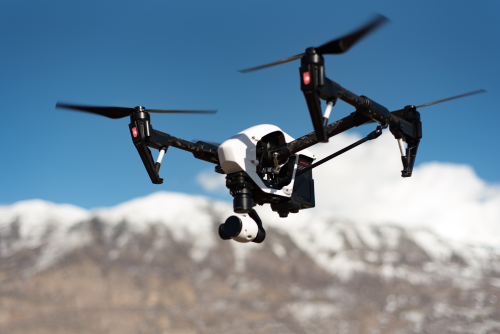
Choosing the best drone for teachers is less about buying the most advanced aircraft and more about matching the drone to the lesson, age group, and operating environment. The wrong purchase usually happens when schools pay for flashy camera specs, automation, or speed they will rarely use, while overlooking safety, repair costs, batteries, and classroom workflow. If you want a drone that genuinely supports teaching without overspending, start with the learning outcome and build the kit around that.
Quick Take
If you are trying to choose the best drone for teachers without overspending or buying the wrong features, use this shortcut:
- For coding, STEM, and indoor beginner lessons, buy a small educational drone with protected propellers and a simple curriculum ecosystem.
- For photography, media, geography, or school marketing, buy a lightweight camera drone with reliable GPS, stable hover, and strong beginner safety features.
- Do not pay extra for pro video formats, long-range performance, high speed, or specialized sensors unless they directly support your course outcomes.
- Budget for the full system, not just the drone: batteries, propellers, storage, charging, device compatibility, and training matter more than most headline specs.
- Always verify local drone rules, school policy, privacy requirements, and who is allowed to pilot before you fly on or around school property.
Key points before you buy
- The best drone for a teacher is the one that fits the lesson plan, not the one with the longest spec sheet.
- Indoor classroom flying and outdoor field use are different buying decisions.
- A protected microdrone is usually better for younger students than a camera drone.
- A lightweight camera drone is usually better for media or environmental observation than a coding drone.
- One premium drone is not always better than multiple safe trainers.
- The cheapest toy drone often becomes the most expensive mistake because it wastes class time and frustrates beginners.
- Previous-generation mainstream drones can be smarter buys than new flagships if batteries, parts, and app support are still easy to get.
Start with the teaching outcome, not the drone
Most buying mistakes happen because the conversation starts with brand, camera quality, or price. It should start with what students are supposed to learn.
Ask these questions first:
- Are students learning to fly, to code, to capture media, or to collect observations?
- Will flights happen indoors, outdoors, or both?
- Will the teacher be the only pilot, or will students fly too?
- Are you teaching one class occasionally or building an ongoing program?
- Does the school need content creation for marketing, events, or campus documentation?
- Will the drone need to survive repeated beginner handling?
Once you answer those, the right drone category becomes much clearer.
Which type of drone fits which teacher?
| Teaching goal | Best-fit drone type | Must-have features | Features you can usually skip |
|---|---|---|---|
| Coding, robotics, STEM basics | Small educational microdrone | Propeller protection, simple app, coding support, replaceable parts | High-resolution camera, long range, advanced obstacle sensing |
| Young students, indoor demos | Lightweight indoor trainer | Stable hover, low mass, easy controls, safe design | GPS, cinematic camera modes, premium video |
| Media, art, journalism, school marketing | Lightweight camera drone | Reliable GPS, return-to-home, good stills/video, spare batteries | Pro codecs, advanced tracking, heavy editing features |
| Geography, environmental science, field observation | Lightweight camera drone with dependable stability | Good stills, stable hover, predictable controls, manageable setup | Zoom, thermal, enterprise sensors, mapping extras unless required |
| Advanced film club or FPV elective | Separate advanced platform after basics | Simulator path, protected prop option, strong supervision | Racing-first hardware for general classroom use |
Best fit for STEM and coding teachers
If your main goal is teaching basic flight logic, coding, robotics, or simple engineering concepts, a small educational platform is usually the best buy.
What matters most:
- Propeller guards or enclosed propellers
- Light weight
- Indoor usability
- Replaceable batteries and propellers
- Student-friendly app or block-based coding
- Lesson materials that reduce prep time
Good examples in this category include classroom-focused platforms such as Ryze Tello EDU and CoDrone EDU. These are not the best camera drones, but they are often far better teaching tools than a more expensive aerial camera.
Who should avoid this category:
- Teachers who need reliable outdoor photography
- Media classes expecting cinematic footage
- Geography instructors needing stable observation in wind
Best fit for media, photography, and school communications
If you need campus photos, event coverage, simple filmmaking lessons, or basic aerial storytelling, a lightweight camera drone is the better tool.
What matters most:
- GPS stabilization
- Return-to-home, which is an automated safety feature that brings the drone back when battery is low or signal is lost
- Easy photo and video workflow
- Good still images and clean video
- Safe beginner controls
- Spare battery availability
In this segment, the DJI Mini series is the most common reference point for a reason: it is portable, capable, and widely supported. For many schools, a previous-generation model is often the smarter buy than the latest premium version. If the drone will mostly capture wide campus shots, simple lesson footage, and occasional field observations, you may not need the top-tier option in the range.
Who should avoid this category:
- Teachers who need students to fly indoors regularly
- Coding-focused programs
- Schools without a safe outdoor operating area
Best fit for geography and environmental science
Many teachers think they need a specialized survey drone when they actually need a stable camera platform for observation and documentation. If the learning goal is showing erosion, vegetation change, land use, river shape, or site comparison, a lightweight camera drone is often enough.
Priorities here:
- Stable hover for repeatable framing
- Reliable image capture
- Simple deployment in field conditions
- Reasonable portability for trips
- Enough battery support for a complete lesson
What you can usually avoid:
- Thermal sensors
- Heavy enterprise aircraft
- Advanced mapping software subscriptions
- Zoom payloads
If the program eventually expands into formal mapping, measurement, or inspection, that is the point to assess more specialized hardware and software.
Best fit for advanced film or FPV clubs
FPV means first-person view, where the pilot sees through the drone’s camera, often using goggles. It is exciting and creative, but it is not the best first drone for most teachers or schools.
Buy FPV only if:
- The program has a clear filmmaking or piloting goal
- There is instructor time for simulator training
- Students already understand basic flight discipline
- You have an appropriate practice area and strong supervision
For general school use, FPV usually adds complexity faster than it adds learning value.
The 7 buying criteria that matter most
1. Safety in the real teaching environment
A drone that is technically impressive but stressful to use around students is a poor school purchase.
Match the drone to the environment:
- Small indoor spaces: choose protected propellers and low mass
- Outdoor fields: choose GPS stability and dependable return-to-home
- Mixed use: consider two-drone strategy rather than one compromise drone
If students are beginners, a safer, slower, more forgiving drone beats a faster or more cinematic one.
2. Ease of learning and setup speed
Teaching time disappears quickly when the app needs updates, batteries are uncharged, or the aircraft needs constant recalibration.
Look for:
- Simple takeoff and landing
- Clear app interface
- Reliable connection
- Quick battery swaps
- Easy transport and storage
The best teacher drone is often the one that can be flying safely in minutes, not the one with the most advanced menu system.
3. Camera quality that matches the assignment
Not every school drone needs premium video features.
Usually enough for teachers:
- Clear still photos
- Stable video
- Basic exposure control
- Easy file transfer
Often unnecessary for most classes:
- Pro video codecs
- Advanced color profiles
- Extreme slow motion
- Large sensor bragging rights
- Complex manual shooting modes
If students are learning composition, storytelling, or observation, stable usable footage matters more than cinema-grade files.
4. Battery workflow, not advertised flight time
This is one of the biggest buyer traps. Marketing flight times are usually best-case numbers. Real teaching use includes repeated takeoffs, landings, hovering, explaining, resetting, and wind.
What to prioritize:
- At least enough batteries to complete a lesson without rushing
- Safe charging routine
- Easy battery labeling and rotation
- Replacement battery availability
A drone with slightly lower headline specs but affordable spare batteries is often a better school investment than a premium drone that cannot stay in the air long enough to support a class.
5. Repairability and parts support
Beginner pilots break propellers. Students mishandle bags. Landing spots are not always perfect.
Before buying, check:
- Are replacement propellers easy to find?
- Are batteries still sold?
- Is the brand known for ongoing app support?
- Can the drone be serviced, or is it effectively disposable?
- Does the school have a local dealer or reliable procurement source?
A cheap drone with no spare parts is often the fastest route to program failure.
6. Device and software compatibility
Many school buyers forget this until the drone arrives.
Verify:
- Which phones or tablets are supported
- Whether the app requires personal accounts
- Whether school-managed devices can install the app
- Whether media files are easy to offload to classroom systems
- Whether firmware updates can be handled under school IT rules
For educational drones, also check whether the coding environment works on the devices your students already use.
7. Total cost of ownership
Overspending rarely comes from the aircraft alone. It comes from underestimating everything else.
Budget for the full kit
| Item | Why it matters | Common regret if skipped |
|---|---|---|
| Spare batteries | Supports full lessons and field sessions | Class ends before students get useful flight time |
| Spare propellers | Beginner damage is normal | Minor damage grounds the program |
| Charger or charging hub | Simplifies prep between sessions | Battery management becomes chaotic |
| Carry case | Protects the aircraft in storage and transport | Damaged arms, props, or gimbal parts |
| Memory card or storage plan | Needed for media assignments | Students cannot save or review work properly |
| Prop guards if available | Helpful for some training contexts | Higher risk in close-range beginner practice |
| Teacher training time | Improves safety and lesson quality | Expensive drone becomes shelf equipment |
| Printed checklist and log | Helps consistency and accountability | Missed preflight steps and poor battery tracking |
If your budget only covers the drone and nothing else, the purchase is probably not fully planned.
One premium drone or several small drones?
This is one of the most important decisions for schools.
Buy one better camera drone if:
- The teacher will do most of the flying
- The main goal is media creation or field observation
- Students mainly analyze footage rather than each pilot individually
- Safety and airspace constraints make group flying impractical
Buy multiple small training drones if:
- Students need hands-on stick time
- The goal is coding, robotics, or flight fundamentals
- Most activity happens indoors
- The school wants repeated beginner practice without risking an expensive aircraft
In many cases, the best value is not one drone type. It is a simple two-part setup:
- One outdoor camera drone for content and observation
- One or two protected indoor drones for student practice
That setup often teaches more and reduces risk better than putting the whole budget into a single premium aircraft.
Features teachers often overpay for
These features are not bad. They are just easy to buy before you truly need them.
Advanced obstacle avoidance
Obstacle sensing can help, especially outdoors, but it is not a substitute for safe site selection and conservative flying. For many school users, it is a nice extra rather than a must-have.
Worth paying for if:
- The teacher will capture moving scenes often
- The drone will fly around trees or structures regularly
- The pilot is still building confidence outdoors
Less important if:
- Flights are simple and deliberate
- Open areas are available
- The program is mostly about teaching fundamentals
Professional video features
If your students are not color grading footage or producing advanced commercial work, you may not need premium recording modes.
Long-range capability
School operations should be close, visible, and controlled. Extreme transmission range is rarely educationally useful.
High speed and aggressive flight modes
Fast drones are exciting, but they are usually the wrong fit for novice school operations.
Specialized sensors
Thermal, zoom, LiDAR, or enterprise mapping features are only worth the money when a course or department has a clear output that depends on them.
Safety, legal, and school compliance checks
Even the best teacher drone can become the wrong purchase if you skip compliance.
Before first flight, verify:
National and local drone rules
Drone laws vary widely by country and sometimes by region or city. Verify with the relevant aviation authority:
- Registration requirements
- Pilot training or certification rules
- Minimum age rules
- Where flights are prohibited or restricted
- Whether lightweight drones have simplified rules
- Any requirements for operations near schools, roads, people, or built-up areas
Do not assume a small drone is automatically unrestricted.
School policy and safeguarding
Schools may have stricter rules than aviation authorities.
Check:
- Who is allowed to pilot
- Whether students may control the drone directly
- Whether parent or guardian permission is needed for participation or filming
- Whether the school insurer has any conditions
- How batteries will be stored and charged
- Whether there is an approved risk assessment process
Privacy and filming minors
If the drone records photos or video, privacy rules matter. This is especially important when students or the public may appear in footage.
Verify:
- Whether filming on campus is allowed
- How footage will be stored
- Who can access files
- Whether identifiable students can appear in promotional material
- Whether additional permissions are required
Site safety
Even where legal, not every location is a good location.
Avoid or strictly manage:
- Crowded assemblies
- Sports spectators
- Roads and parking flow
- Overhead obstacles
- Strong wind
- Sensitive neighboring property
A simple rule helps: do not fly over students or crowds unless your rules, permissions, and risk controls clearly allow it.
Common mistakes teachers make
Buying the drone students think is coolest
Excitement matters, but reliability and safety matter more. A flashy FPV or performance drone can be a poor first purchase.
Choosing a toy drone because it is cheap
Very cheap drones often drift, disconnect, and break easily. That can waste class time and make students think drone flying is harder than it really is.
Buying pro camera features for beginner lessons
Most classes do not need advanced recording formats or high-end creative options.
Ignoring indoor versus outdoor reality
A drone that works well outside may be awkward or unsafe in a classroom. A coding trainer that is great indoors may be useless in wind.
Forgetting the accessory budget
No spare batteries usually means no real lesson flow.
Overlooking IT and app setup
School device restrictions can derail a purchase faster than flight issues.
Thinking one drone must do everything
One aircraft rarely serves coding, indoor safety, outdoor media, and advanced filmmaking equally well.
Skipping teacher practice
A teacher who has only flown once or twice will struggle to use class time well. Even a short familiarization routine pays off.
A simple buying process that avoids regret
1. Define the primary learning outcome
Pick one main job for the drone:
- coding
- flight basics
- photography or media
- observation or fieldwork
If you cannot define the main job, you are not ready to choose the model.
2. Pick the operating environment
- Mostly indoors: buy a small protected platform
- Mostly outdoors: buy a lightweight GPS camera drone
- Both: consider two specialized tools
3. Set a complete budget
Include:
- drone
- batteries
- spares
- storage
- charging
- training
- any required paperwork or internal approvals
4. Shortlist only models with support
Only compare drones that have easy parts access, known app support, and realistic service options.
5. Check compliance before purchase
Do not wait until the drone arrives to find out the school cannot use it as planned.
6. Buy for next year too
Think beyond the first demo. Will batteries still be available? Can another teacher use the same platform? Is it durable enough for repeated lessons?
FAQ
Do teachers need a license to fly a drone?
Sometimes yes, sometimes no. It depends on the country, aircraft type, location, and how the flight is classified. Do not assume educational use is automatically exempt. Verify with the aviation authority in your location before flying.
Is a sub-250g drone automatically the best choice for teachers?
Not automatically. Lighter drones often face fewer restrictions and are easier to carry, but they may be less stable in wind and may not suit every teaching goal. Weight is useful, but it is not the only buying criterion.
Should a school buy one expensive drone or several cheaper ones?
It depends on the learning model. For teacher-led photography or observation, one better drone can make sense. For student practice, coding, or indoor lessons, several safer training drones often deliver more educational value.
Are indoor drones always safer?
They are often safer for beginner handling when they are small and protected, but they still need supervision, clear space, and school approval. Indoor flying does not remove the need for risk assessment.
Is FPV a good first drone for a teacher?
Usually no. FPV can be excellent for advanced clubs or filmmaking electives, but it brings a steeper learning curve, more supervision needs, and higher operational risk than most general classroom programs need.
What accessories are essential for a school drone?
At minimum: spare batteries, spare propellers, a safe charger, a protective case, and a simple checklist or flight log. For some training contexts, propeller guards are also very helpful.
Can one drone handle both STEM lessons and school marketing?
Sometimes, but usually with compromises. A camera drone may be fine for teacher-led demonstrations and content creation, but it is not ideal for frequent indoor student practice. Many schools do better with a small trainer plus a separate camera drone.
Is it worth buying a previous-generation drone for education?
Often yes. If the drone still has solid app support and easy battery and parts availability, a previous-generation model can offer better value than a new flagship for most teaching programs.
The best buying decision is usually the simplest one
For most teachers, the best drone is not the most expensive, the fastest, or the most cinematic. It is the one that supports the lesson safely, launches without drama, survives beginner use, and keeps the program affordable over time. Start with the teaching goal, buy the smallest capable system, and spend the saved budget on batteries, spares, and training rather than features you will rarely use.