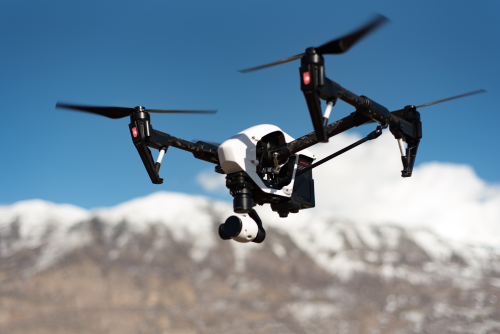
If you want to choose the best drone for travelers without overspending or buying the wrong features, start with travel friction, not camera bragging rights. The right travel drone is usually the smallest, simplest aircraft that still gets the shots you actually need in the places you can legally and safely fly. Most buyer regret comes from paying for power, sensors, or image modes that look impressive on a store page but make the drone heavier, more expensive, and less likely to leave the bag.
Quick Take
- For most travelers, a lightweight foldable camera drone in the sub-250g class is the best balance of portability, ease, and enough image quality for photos, social clips, and casual travel films.
- Move up to a compact mid-size drone only if you regularly fly in wind, care deeply about image flexibility, or need more stable flight and better obstacle sensing.
- First-person-view, or FPV, drones are a separate category. They are great for immersive flying and action footage, but they are not the easiest all-purpose travel drones for beginners.
- Spend money on the full travel kit, not just the aircraft: batteries, charger, memory cards, spare propellers, a practical bag, and repair support matter more than many premium features.
- Be careful with “pro” camera claims. If you mostly post to social platforms or make simple edits on a phone or laptop, you may not benefit from advanced codecs, extreme resolution, or color profiles you never grade.
- Before you buy, verify destination drone laws, protected-area restrictions, customs rules, and airline lithium battery policies. A drone that is easy to own at home may be difficult to travel with or use abroad.
- The best travel drone passes three tests: you will carry it, you can fly it legally and safely, and the footage is good enough for your real output.
Buy for the trip you actually take, not the dream trip you imagine
Most travelers buy backward. They compare camera specs first, then discover the drone is too big for day trips, too obvious in crowded places, too annoying to charge on the move, or too restricted to use where they are going.
A better way to choose is to filter every option through three questions:
1. Will you actually carry it?
A travel drone that stays in the hotel is not a travel drone. Weight, folded size, charger bulk, battery bulk, and how much bag space the controller takes all matter.
2. Can you realistically fly it on your trip?
That means more than knowing how to take off. It includes wind, available launch spots, crowds, protected areas, local permit requirements, and whether the destination is even drone-friendly.
3. Is the footage good enough for your end use?
“Good enough” depends on whether you want vacation memories, polished creator content, cinematic landscape footage, FPV action, or client deliverables.
Here is the simplest way to map your traveler profile to the right drone class:
| Traveler type | Best-fit drone class | Worth paying for | Likely regret if you buy too much |
|---|---|---|---|
| Casual vacation traveler | Lightweight foldable camera drone, often sub-250g | Small size, easy setup, quick transfer, simple flying aids | You carry a heavier drone for shots you never take |
| Creator or vlogger | Lightweight creator-focused drone or compact mid-size | Reliable tracking, vertical-friendly workflow, better color and dynamic range | You pay for high-end pro features but edit everything on a phone |
| Landscape and road-trip traveler | Compact mid-size camera drone | Better wind handling, stronger stability, more image flexibility | You ignore the extra weight, compliance friction, and visibility |
| FPV-focused traveler | Travel FPV rig or cinewhoop, if already experienced | Durable frame, spare parts, charging plan, practiced skills | You expect FPV to replace an easy camera drone |
| Paid work while traveling | Compact pro platform or local rental, depending on job | Repeatable results, support network, insurance, compliance planning | You buy a work drone for occasional leisure use |
The hidden truth: for many people, the “best” travel drone is not the most capable one. It is the one that clears the most friction with the least compromise.
A 15-minute buying process before you spend anything
If you want to avoid overspending, do this before comparing brands or bundles.
Step 1: Write down your main output
Pick one primary goal:
- Travel photos
- Short social video clips
- Edited YouTube travel films
- Action sports footage
- Paid deliverables for clients
If you cannot name the output, you are shopping too early.
Step 2: Write down the hardest travel conditions you expect
Be honest about the trip, not the fantasy.
- City breaks with tight schedules
- Beaches and cliffs with wind
- Mountain hikes where every gram matters
- Multi-country trips with airport transfers
- Remote travel with limited charging
- Family travel where setup time must be fast
Step 3: Decide your non-negotiables
Examples:
- Must fit in a small day bag
- Must stay as light as possible
- Must handle moderate wind confidently
- Must shoot footage that matches my main camera
- Must be easy for a beginner to fly
- Must be simple to charge with minimal accessories
Step 4: Choose the smallest class that clears those needs
This is where many buyers go wrong. They buy the next class up “just in case.” That usually means more cost, more bulk, and more regulation for capability they rarely use.
Step 5: Price the full kit, not the drone alone
Your real budget includes:
- At least one or two spare batteries
- Charger or charging hub
- Memory cards
- Spare propellers
- Protective storage
- Possible care plan or insurance
- Power adapters for travel
- Editing and storage needs
Step 6: Ask one final question: buy, rent, or wait?
If you only need a drone for one major trip, one client job abroad, or one tightly regulated destination, renting locally or hiring a licensed local operator may be smarter than buying.
Features worth paying for when you travel
Not every premium feature is worth its cost for travelers. These usually are.
Low weight and compact packing
This matters more than many beginners realize. A drone that is small, quick to deploy, and easy to stash in a backpack gets used more often. Travelers also benefit from lower visual impact: smaller drones tend to attract less attention and are easier to manage in limited takeoff areas.
This is why lightweight foldable drones dominate travel buying decisions. They reduce carrying fatigue and keep the rest of your kit simpler.
What to prioritize:
- Small folded footprint
- Light batteries
- Compact controller
- Minimal charging gear
- Easy propeller protection during packing
Wind confidence and general flight stability
Travel often means exposed viewpoints, coastlines, hilltops, and changing weather. If you regularly visit windy places, moving up from the smallest class to a compact mid-size drone may be justified.
This is one of the few upgrades that often pays off in real use. A slightly larger drone can offer:
- Better stability in gusts
- More predictable footage
- Less aborted flights
- More confidence for return flight planning
If your dream use case is dramatic coastal or mountain scenery, wind performance may matter more than headline camera resolution.
Charging flexibility
Travelers rarely operate from perfect home-base conditions. You may be moving between hotels, trains, vehicles, ferries, or campsites. A drone with a simple charging ecosystem can be more valuable than a drone with slightly better camera specs.
Good travel-friendly signs include:
- Batteries that are easy to organize and label
- Straightforward charging workflow
- Ability to top up from common travel power setups
- Fewer proprietary accessories
The more complicated your charging routine becomes, the more likely you are to skip flights.
Camera features that match your actual workflow
This is where overspending happens most often.
A creator who color grades carefully on a desktop may benefit from advanced color profiles, more image flexibility, or a stronger stills workflow. A casual traveler who wants nice clips for social platforms usually does not.
Pay for better camera capability when you truly need one or more of these:
- Better dynamic range for sunrise, sunset, and harsh light
- Cleaner low-light performance for dawn or dusk scenes
- Better matching with another camera you already use
- Stronger still-photo output for prints or licensing
- More flexible framing from a second lens
Do not pay extra just because a feature sounds professional. If your normal workflow is quick edits and direct posting, simplicity beats theoretical image headroom.
Useful safety and recovery features
Travel flying comes with unfamiliar locations, distractions, and less room for error. Features that reduce avoidable mistakes can be worthwhile, especially for beginners.
The most useful ones are usually:
- Reliable return-to-home, meaning an automatic return function if signal is lost or battery gets low
- Stable positioning
- Obstacle sensing, which uses onboard sensors to help detect objects
- Clear preflight warnings
- Dependable home-point updates where supported
That said, no sensor system makes a drone foolproof. These are backup aids, not permission to fly carelessly near trees, cliffs, cables, crowds, or buildings.
Repair support and spare parts availability
Travel drones have a hard life. Bags get dropped, propellers get chipped, and accidents happen far from home. Before buying, consider:
- Are spare propellers easy to get?
- Is the brand’s service network strong in your region?
- Can you get batteries and chargers later?
- Is the controller or gimbal likely to be expensive to replace?
- Is there a practical care plan available where you live?
A slightly less flashy drone with stronger support can be a better long-term buy than a more exotic option with weak parts availability.
Features travelers often overspend on
These are not useless. They are just commonly overbought.
Extreme resolution you never deliver
If your final output is mostly social media, travel reels, or standard online video, you may never benefit from the highest resolution modes. Bigger files also create more storage and editing burden while traveling.
Advanced color profiles and pro codecs
Log profiles and professional codecs can preserve more editing flexibility, but they also demand more from your workflow. If you do not regularly color grade, these can become expensive complexity.
Telephoto or specialty lenses
A second lens can be genuinely useful for some landscape shooters, but many travelers use it only occasionally. If the upgrade to get it also means a larger drone and more travel friction, think carefully.
Top-tier obstacle sensing packages
More sensors can help, especially for dynamic creator work. But many travelers pay a premium for automation they rarely use because they mostly fly simple wide shots in open space.
Big integrated-screen controllers
A built-in screen can be convenient in bright sun and remove phone dependence. It can also add cost and bulk. For some travelers, a simpler controller and phone setup is the better value.
Oversized cases and too many accessories
A rugged hard case looks serious. It can also be the fastest way to turn a portable drone into a burden. Most travelers do better with a compact, protective soft setup and a focused accessory list.
Safety, legal, and travel compliance checks before you buy
A travel drone is only a good purchase if you can use it legally and responsibly. Because rules vary widely by country, city, park, and venue, always verify current requirements with the relevant aviation, customs, park, and local authorities before departure.
What to check before the trip
-
National drone rules – Registration – Pilot competency or exam requirements – Weight-based categories – Electronic identification or remote ID requirements where applicable – Restrictions on recreational versus commercial use
-
Local site restrictions – National parks – heritage sites – beaches – urban centers – events – private venues – hotel or resort property rules
-
Customs and import rules – Some destinations restrict or closely control drone import, even for tourists. – Some require declaration or prior approval. – Do not assume you can bring a drone across every border just because you own it legally at home.
-
Airline lithium battery policies – Spare lithium batteries are commonly required in carry-on baggage, not checked baggage. – Terminal protection, battery count, and watt-hour limits vary by airline. – Check your airline before packing, not at the airport.
-
Insurance and work permissions – If you are creating paid content or flying for a client, verify whether local permissions, insurance, or a local licensed operator are required. – “I am only filming while traveling” is not always treated as casual recreational flying.
-
Privacy, people, and wildlife – Avoid flying over people, crowds, roads, or sensitive wildlife areas. – Respect local norms around photography and privacy. – A legal flight can still be a bad idea if it is intrusive or unsafe.
The key point: buying a lighter or smaller drone can reduce travel friction, but it does not erase your responsibility to check the rules.
Common mistakes travelers make
Buying for one “bucket list” shot
If one rare dream scene drives the purchase, you may end up carrying too much drone on every other trip.
Confusing sub-250g with “legal everywhere”
Weight thresholds matter in some places, but many locations still require registration, permits, or outright restrictions.
Ignoring wind and weather reality
The smallest drones are convenient, but convenience does not beat physics. If your trips are mostly coastal or mountainous, stability matters.
Underestimating battery and charging hassle
The drone might fit in your bag. The full power setup may not feel nearly as light after a week of travel.
Buying a pro workflow without pro habits
If you do not enjoy grading footage, organizing large files, or maintaining gear, do not pay a premium for complexity.
Assuming the drone is the only purchase
Most regret comes from the total kit cost after the initial “good deal.”
FAQ
Is a sub-250g drone always the best choice for travelers?
Not always, but it is the best starting point for most people. It usually offers the lowest carry burden and the easiest day-to-day travel experience. Move up only if wind performance, image flexibility, or professional needs clearly justify it.
Should beginners pay extra for obstacle sensing?
Often yes, if the price difference is reasonable and the drone still stays portable. It can reduce beginner mistakes in unfamiliar places. Just do not treat it as a substitute for cautious flying and good judgment.
How many batteries should I travel with?
Enough for your real shooting rhythm, not your wish list. Many casual travelers are well served by a modest battery setup, while creators on full shooting days may want more. Always verify airline rules for carrying spare lithium batteries.
Is FPV a good travel drone for beginners?
Usually not as your first all-purpose travel drone. FPV is exciting, but it has a steeper learning curve, a different safety discipline, more maintenance, and a less casual workflow. It makes more sense if the trip is centered around FPV flying and you already practice regularly.
Can I use my home-country drone registration when traveling abroad?
Sometimes parts of your documentation may still matter, but you should never assume your home-country registration or permissions automatically cover you internationally. Verify the destination’s aviation rules, operator requirements, and any local approvals needed before flying.
Do I need insurance for travel drone flying?
That depends on the country, the type of operation, and whether the flight is recreational or commercial. Some places or clients may require it, and even where it is optional, insurance can be sensible. Verify local requirements before the trip.
When is renting a better choice than buying?
Renting is worth considering if you only need a drone for one major trip, one high-end shoot, or one destination with complicated rules. It can also make sense if you want to test a class of drone before committing to a full kit.
What is the safest buying decision for most travelers?
Buy the smallest drone that comfortably covers 90 percent of your real travel use. Not your rarest use. Not your fantasy professional future. Your real use.
The decision that saves the most money
If you want the best drone for travelers without overspending or buying the wrong features, choose by friction first, not by hype. Define your trips, your output, and your non-negotiables, then buy the smallest drone class that meets them with a complete, practical kit. If you do that, you will carry it more, use it more, and regret it far less.