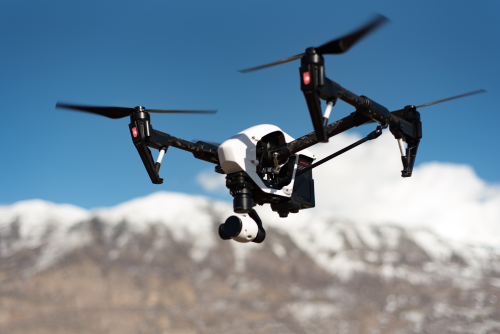
Choosing the right drone for a YouTube channel is usually not about buying the most expensive model. It is about buying the drone you will actually carry, launch, fly confidently, and edit efficiently week after week. If you are trying to figure out how to choose the best drone for YouTubers without overspending or buying the wrong features, the smartest move is to match the drone to your content format, not to the biggest spec sheet.
Quick Take
If you want the short answer, here it is:
- Most YouTubers should start with a lightweight foldable camera drone, not a flagship.
- A sub-250g drone can be the sweet spot for travel creators, vloggers, and beginners because it is easier to carry and easier to justify bringing on every shoot.
- A mid-size all-rounder is worth it if you regularly film in wind, want better tracking and image flexibility, or create polished landscape, car, outdoor, or branded content.
- A flagship drone only makes sense if aerial footage is a major part of your channel or business and you will regularly use its better low-light performance, color depth, and lens options.
- FPV drones are amazing for energy and motion, but for most creators they are a second drone, not the first or only drone.
- The biggest buying mistake is spending too much on the aircraft and too little on the full kit: batteries, storage, filters, spares, charging, practice time, and legal compliance.
Key Points
- Buy for your normal upload routine, not for the one “epic” trip you take each year.
- Portability and launch speed matter more than most first-time buyers expect.
- Better image quality only helps if you can actually use it in your editing workflow.
- Obstacle sensing helps, but it does not make flying automatically safe.
- Higher resolution, long advertised range, and photo megapixel marketing are often less important than stability, tracking, battery workflow, and repair support.
- In many regions, smaller drones may reduce some regulatory burdens, but they do not remove all responsibilities. Always verify local rules before flying.
Start With Your Channel, Not the Drone
Before comparing models, decide what role the drone will play in your YouTube workflow.
A drone can be:
- An occasional establishing-shot tool
- A core storytelling camera
- A travel B-roll machine
- A subject-tracking assistant for solo creators
- A high-energy FPV camera for action content
- A revenue-producing tool for branded or client work
Those are very different jobs. The right drone for one will be the wrong drone for another.
A Simple Fit Table
| Creator type | What matters most | Best starting drone class | Most common regret |
|---|---|---|---|
| Travel vlogger | Portability, quick setup, reliable auto modes, vertical-friendly workflow | Ultralight foldable drone | Buying a bigger drone that stays in the hotel |
| Solo lifestyle creator | Subject tracking, obstacle sensing, ease of use | Ultralight or mid-size all-rounder | Buying a cheap drone with weak tracking |
| Outdoor or adventure creator | Wind handling, battery endurance, tougher operating feel | Mid-size all-rounder | Buying the lightest drone and fighting wind all day |
| Cinematic storyteller | Dynamic range, better color, lens options, smoother motion | Mid-size or flagship | Paying for pro features they never grade or use |
| Commercial YouTuber or brand-focused creator | Reliability, client-ready image, workflow consistency | Mid-size or flagship | Starting too small and re-buying too fast |
| Action or chase-shot creator | Speed, agility, immersive motion | FPV plus a standard drone | Trying to use FPV for every shot |
If your channel depends on frequent uploads, the best drone is usually the one with the least friction. A slightly less impressive drone that flies often beats a premium drone that rarely leaves the bag.
The Features That Actually Matter for YouTubers
A lot of buyers focus on specs that look impressive in store listings but do very little for real YouTube output. Here is what matters most.
1. Portability and Launch Speed
This is the most underrated buying factor.
If a drone is small enough to live in your backpack, camera cube, or carry-on without forcing tradeoffs, it will get used. For YouTubers, a drone that is easy to carry often creates more finished footage over a year than a larger, technically better drone that feels inconvenient.
Ask yourself:
- Will I bring this on casual shoots?
- Will I hike with it?
- Will I travel internationally with it?
- Will I set it up quickly between scenes?
If the answer is no, the drone is probably too much drone for your channel.
2. Reliable Tracking
For solo YouTubers, subject tracking can be more valuable than a jump in sensor size.
If you often film yourself walking, biking, driving slowly in controlled locations, or moving through landscapes, reliable automated tracking can save time and make drone shots far more repeatable. That said, automated tracking is still an assist feature, not a substitute for careful piloting. In many places, you still need to maintain the required visual oversight and follow local operating rules.
Tracking matters most for:
- Travel vlogs
- Outdoor fitness
- Vanlife and overlanding
- Lifestyle channels
- Small crew production
3. Obstacle Sensing
Obstacle sensing means the drone can detect objects around it and help avoid collisions. Some drones only sense forward and downward. Better systems can sense in more directions.
For creators, obstacle sensing is valuable because it reduces stress during solo filming and slow movement shots. It is especially helpful when you are learning, flying near trees, or managing both camera framing and flight path.
But this is where buyers get fooled: obstacle sensing is a safety layer, not permission to fly carelessly. Detection performance varies with light, speed, thin branches, wires, reflective surfaces, and the specific flight mode.
Useful? Yes. Magic shield? No.
4. Sensor Size and Image Flexibility
A bigger camera sensor generally helps with:
- Better low-light performance
- Better dynamic range, meaning more detail in bright skies and dark ground at the same time
- Cleaner footage during sunrise, sunset, forest scenes, and cloudy days
- More grading flexibility in post
If you mostly shoot in good daylight and publish quickly, a smaller sensor can still look excellent on YouTube. If you color grade heavily, shoot near dusk, or sell premium-looking edits, a larger sensor becomes more valuable.
A good test: if you do not enjoy color grading now, do not overpay for advanced color features just because they sound professional.
5. Color Depth and Log Profiles
Some drones offer 10-bit color and log profiles. A log profile is a flatter-looking recording mode designed for color grading later.
This matters if you:
- Edit seriously
- Match drone footage with mirrorless or cinema cameras
- Want more control over highlights and shadows
- Produce polished travel films, documentaries, or client work
It matters less if you:
- Want fast edits
- Mostly post same-day or next-day content
- Prefer footage that looks finished straight out of camera
A lot of creators buy drones with advanced color modes and then never use them properly. If that sounds like you, do not pay extra just for the badge.
6. Wind Performance
YouTube creators often shoot outdoors, on coastlines, in mountains, on roads, and in changing weather. That makes wind handling important.
In general:
- Smaller drones are easier to pack
- Larger drones are usually more stable in wind
If you live in a windy region or often shoot exposed locations, paying more for a stronger drone can make sense. If you mostly travel to cities, parks, viewpoints, and calmer conditions, an ultralight drone may be enough.
7. Battery Workflow
Battery life on paper is not the same as battery life in the field.
For YouTube work, what matters is your actual shooting day:
- How many flights will you do?
- Are you filming multiple locations?
- Can you charge in a car or from USB-C?
- Can you swap batteries quickly?
- Does the charging hub fit your workflow?
One battery is never enough. Two is workable. Three is usually the practical minimum for a creator who wants options instead of stress.
8. Vertical Content Workflow
Even if your main platform is YouTube, many creators also post Shorts and cross-post to other social platforms. That makes vertical capture useful.
You do not need a drone that is “for social media,” but it helps if the drone supports:
- Easy vertical output
- Enough resolution to crop vertically without falling apart
- Fast transfer to phone or laptop
If your channel growth depends heavily on short-form clips, this feature matters more than many buyers think.
9. Repair Support and Spare Parts
A creator drone is not just a camera. It is an ongoing system.
Before buying, check:
- Battery availability
- Propeller availability
- Local service support
- Manufacturer reputation for support
- Whether your region has easy repair options
- Whether refresh or protection plans are available and worth it
A great drone becomes a bad purchase if one small crash turns into weeks of downtime.
Features You Can Usually Deprioritize
These are the features many YouTubers overvalue.
8K Recording
Most YouTube creators do not need 8K drone footage. It creates bigger files, more storage pressure, and more editing load. Good 4K from a well-matched drone is enough for most channels.
Extreme Advertised Transmission Range
The longest advertised range is rarely relevant for normal, legal creator flying. In real use, interference, environment, and local rules matter more. Do not buy a drone mainly because the box promises huge distance.
Huge Photo Megapixel Numbers
Still photo marketing often does not tell you much about how good the drone is for video. If your channel is video-first, prioritize motion quality, stability, color, and workflow.
Top Speed
Unless you are specifically shopping for FPV or high-energy chase footage, top speed is not a primary YouTube buying factor. Smoothness, control, and repeatability matter more.
Fancy Automated Modes You Will Never Use
A few smart flight modes are helpful. A long list of gimmicky modes usually is not worth paying for.
Which Drone Class Fits You Best?
Instead of obsessing over one exact model, start by choosing the right class. Then compare actual models within that class.
Ultralight Foldable Drones
This is the best starting point for most YouTubers.
Think of this class as the travel-friendly, low-friction option. A strong example is the DJI Mini 4 Pro class: compact, capable, easy to bring anywhere, and good enough for serious YouTube work in the right hands.
Best for
- Beginners
- Travel vloggers
- Solo creators
- Hiking and backpack-friendly shooting
- Creators who want maximum convenience
- People who mostly shoot in daylight
Why it works
- Easy to carry
- Fast to launch
- Less intimidating to fly
- Often enough quality for high-end YouTube delivery
- Lower financial risk than a flagship model
- In some countries, may fall into a more flexible regulatory category, though you must verify this locally
Limits to know
- Less comfortable in stronger wind
- Weaker low-light performance than larger drones
- Smaller body means less “plant in the air” stability feeling
- May be less ideal for premium commercial work
Best buyer profile
If you are asking, “What drone should I actually start with?” this class is probably your answer.
Mid-Size All-Rounders
This is the sweet spot for creators who have outgrown the beginner stage or who know they regularly need more stability and more image flexibility.
A strong example is the DJI Air 3 or Air 3S class: more substantial than an ultralight drone, but still portable enough for real travel and creator use.
Best for
- Outdoor creators
- Car channels
- Review channels with scenic B-roll
- Creators shooting in wind more often
- People who want a better balance of portability and polish
- Part-time commercial creators
Why it works
- Better wind handling
- More confident flight feel
- More room for serious image work
- Often stronger obstacle sensing and tracking performance
- Better fit for creators who want polished but practical results
Limits to know
- Heavier and bulkier than ultralights
- More travel friction
- Costs more once you add batteries and accessories
- Can still be more drone than a casual vlogger needs
Best buyer profile
If you already know aerial footage matters to your channel and you want fewer limitations without jumping into flagship cost and bulk, this is usually the smartest upgrade.
Flagship Camera Drones
This class is for creators whose drone footage is central to the brand, storytelling, or paid deliverable.
Think of the DJI Mavic 3 Pro class and similar premium platforms. These drones make sense when the extra image performance is not just nice to have but valuable to your output or revenue.
Best for
- Professional travel filmmakers
- Documentary-style channels
- Branded content creators
- Tourism, landscape, and premium visual channels
- Operators who also do paid work
Why it works
- Better low-light performance
- More image flexibility in difficult lighting
- Stronger professional workflow potential
- Lens options and more serious camera system behavior
- Better fit for demanding edits and client expectations
Limits to know
- Expensive to buy well
- More painful to crash, insure, and replace
- More likely to get left behind on casual shoots
- Often overkill for creators who mostly publish standard vlogs
Best buyer profile
Buy this class only if your channel or business will regularly benefit from it. If you are still learning to tell stories with a drone, a flagship can become an expensive comfort blanket rather than a useful tool.
FPV Drones
FPV stands for first-person view. These drones are built for immersive, agile flying and dynamic motion.
Examples include the DJI Avata 2 class and custom FPV builds. They can create some of the most exciting footage on YouTube, but they are not the easiest or safest entry point for most buyers.
Best for
- Action creators
- Sports channels
- Mountain biking, skiing, motorsport, or chase-shot content
- Creators who want dramatic movement, not just scenic aerials
Why it works
- Unmatched motion and energy
- Feels cinematic in a very different way from standard drones
- Can make intros, transitions, and action sequences stand out immediately
Limits to know
- Steeper learning curve
- Higher crash risk
- More demanding battery management
- Less versatile for standard establishing shots
- More complex operational planning and location risk
- Often not the best only drone for a solo creator
Best buyer profile
If your channel’s identity depends on speed and movement, FPV may be essential. For everyone else, it is usually a second purchase after a standard camera drone.
The Smartest Way to Avoid Overspending
Overspending usually happens because buyers compare drone bodies, not full systems.
Think in “kit cost,” not “drone cost”
Your real purchase is:
- Drone
- Controller
- At least 2 to 3 batteries
- Charger or charging hub
- Fast memory cards
- Spare propellers
- Carry case or bag
- ND filters, which are neutral density filters used to control shutter speed in bright light
- Optional care or repair plan
- Time to practice safely
A cheaper drone with a complete kit is often a better purchase than a better drone with only one battery and no accessories.
Consider last-generation value
For many YouTubers, a last-generation premium drone or a lightly used current drone can be better value than buying the newest release at full retail. That can make sense if:
- Batteries and spare parts are still easy to get
- The drone still supports your editing workflow
- The savings let you buy a complete creator kit
Buy used carefully
If buying used, check:
- Battery health and condition
- Gimbal movement and camera clarity
- Arm hinges, shell, and prop mounts
- Sensor warnings or calibration issues
- Whether the drone is properly unlinked from the previous owner if the brand requires account activation
- Controller condition and screen brightness
- Charger, cables, and included accessories
If you cannot verify ownership, activation status, and flight condition, walk away.
Safety, Legal, and Travel Checks Before You Buy
A YouTube drone is still an aircraft in regulated airspace. That matters whether you are a hobbyist, a monetized creator, or a business.
Before you buy, verify the rules that apply where you actually plan to fly.
Check these points in your region
- Whether the drone must be registered
- Whether the pilot needs a competency test, certificate, or authorization
- Whether sub-250g drones get different treatment
- Whether monetized or client work changes your obligations
- Whether your country requires electronic identification or other equipment
- Whether local airspace, parks, beaches, heritage sites, or city rules restrict takeoff and landing
- Whether privacy laws or local customs limit filming near people, homes, roads, or events
- Whether your insurance is required by law, by venue, or by client contract
Travel-specific checks
If you travel with drones, also verify:
- Airline battery carriage rules
- Battery terminal protection and packing requirements
- Customs sensitivity in the destination country
- National park or protected area restrictions
- Local permit systems
- City or tourism-site restrictions
- Hotel and venue rules
Never assume a drone that was easy to fly in one country will be easy to fly in another.
Common Mistakes YouTubers Make When Buying a Drone
1. Buying for rare shots instead of weekly content
A drone should fit your repeatable content routine, not your dream travel film.
2. Confusing resolution with quality
Good lighting, steady movement, and decent color usually matter more than chasing the highest resolution.
3. Ignoring the importance of batteries
Running out of power after one short flight ruins more creator days than insufficient camera specs.
4. Paying for advanced color modes without a grading workflow
If you do not color grade, the extra complexity can slow you down more than it helps.
5. Underestimating wind
A tiny drone can be perfect until your real shooting locations are beaches, ridges, and open countryside.
6. Buying FPV first
For most channels, FPV is specialized. It is rarely the best first drone purchase.
7. Assuming obstacle sensing makes risky shots safe
It helps, but it cannot reliably protect you from every branch, wire, or bad decision.
8. Forgetting support and repairs
A great drone with poor local support is a risky investment for active creators.
A Practical Decision Framework
If you are still torn, use this simple rule:
Buy an ultralight drone if:
- You are a first-time buyer
- You travel a lot
- You care about portability above all
- You mostly shoot in daylight
- Drone shots support the video rather than define it
Buy a mid-size all-rounder if:
- You regularly shoot outdoors in wind
- You want more stable, polished footage
- You care about tracking and image flexibility
- Your drone footage appears in most uploads
- You may do occasional commercial or branded work
Buy a flagship if:
- You already know how to use advanced footage
- You grade seriously
- Aerials are a major part of your brand or income
- You need low-light performance and premium image latitude
- You can justify the size, cost, and risk
Buy FPV if:
- Your content depends on speed and motion
- You enjoy the flying side as much as the filming side
- You accept the learning curve
- You understand that you may still need a standard drone too
FAQ
Is a sub-250g drone enough for YouTube?
Yes, for many creators it is more than enough. If you mostly shoot travel, daytime B-roll, scenic reveals, or solo vlog support shots, an ultralight drone can produce excellent YouTube footage. Just remember that smaller drones usually give up some wind performance and low-light quality.
Do I need 10-bit color or log profiles?
Only if you plan to color grade and want more control in post. If you prefer quick, clean edits and mostly publish fast, standard color modes may be the better fit.
Should I buy FPV as my first YouTube drone?
Usually no. FPV is powerful but specialized. A standard camera drone is easier to learn, easier to use safely, and more versatile for most channel formats.
How many batteries should a YouTuber own?
Three is a practical target for most creators. Two can work, but three gives you room for scouting, retakes, and changing weather without ending the shoot too early.
Is a bigger sensor worth the money?
Yes, if you often shoot in difficult light, want more grading flexibility, or produce premium-looking content where aerial footage matters. If you mostly shoot in good light and edit simply, the difference may not justify the extra cost.
Can I monetize drone footage on YouTube without extra permissions?
Maybe, maybe not. Rules vary by country and sometimes by the type of operation, location, or business use. Do not assume YouTube monetization is automatically treated the same as purely recreational flying. Verify with your aviation authority and local rules before operating.
Is it smarter to buy new or used?
Used can be great value if you can verify condition, ownership, activation status, and battery health. New is safer if you want warranty, support, and less uncertainty. For many buyers, last-generation new or lightly used is the best value point.
Final Decision
If you want to choose the best drone for YouTubers without overspending or buying the wrong features, buy the drone that covers 80 percent of your real shooting days, not the one that wins a spec battle online. For most creators, that means a reliable ultralight or mid-size all-rounder, plus extra batteries and a workflow you can actually sustain. Pick the drone you will carry, fly legally, edit confidently, and use often; that is the one that will grow your channel.