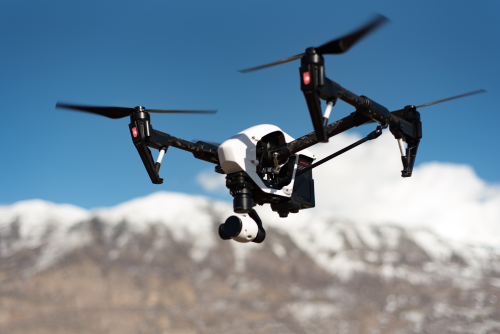
Creating an aerial stock footage business sounds glamorous, but the revenue comes from something much less romantic: repeatable, licensable clips that editors can actually use. If you want real income, not just a few lucky sales, you need to think like a supplier, not just a pilot. This guide shows how to build an aerial stock footage business in a straightforward way, with realistic expectations, cleaner operations, and better odds of turning flights into ongoing revenue.
Quick Take
- Aerial stock footage is a licensing business, not just a content hobby.
- The clips that sell most often are usually useful, clean, and easy to edit, not necessarily the most cinematic.
- Marketplace income can be slow and uneven, so many pilots do better with a hybrid model: stock platforms plus direct licensing.
- Your real business levers are niche selection, metadata, legal cleanliness, portfolio depth, and operational discipline.
- Commercial drone rules, privacy laws, park restrictions, and release requirements vary by country and location, so verify them before every shoot.
- For most pilots, the fastest path is to start narrow, build a strong themed library, and track what buyers actually license.
What this business really is
Aerial stock footage is pre-shot drone video that you license for reuse. You are not usually selling ownership of the footage. You are granting permission for certain types of use under certain terms.
That matters, because the business is less about posting beautiful reels and more about building a searchable inventory of clips with clear rights.
If you remember one thing, make it this:
Stock buyers purchase usefulness first and beauty second
Editors, agencies, brands, tourism boards, documentary teams, publishers, and corporate marketing departments need footage that solves a problem in an edit. They search for things like:
- coastal city skyline at sunrise
- container port aerial
- traffic interchange drone shot
- tropical resort overhead
- wind farm landscape
- business district establishing shot
- mountain valley drone reveal
- agricultural field irrigation aerial
The buyer usually does not know you. They do not care how hard the shot was. They care whether the clip fits their timeline, rights needs, and budget.
That is why “real revenue” comes from building a system around this formula:
Revenue = portfolio size × buyer demand × search visibility × legal usability
If one of those breaks, the business gets weak fast.
Choose the business model that fits your goals
There is no single best way to create an aerial stock footage business. The right model depends on whether you want passive-ish side income, a lead generator for client work, or a more deliberate licensing business.
| Model | Best for | Pros | Limits |
|---|---|---|---|
| Marketplace-only contributor | Beginners who want low-friction entry | Easy to start, existing buyer traffic, no need to build sales pipeline | Lower control, slower revenue, platform dependence |
| Hybrid: marketplaces plus direct licensing | Most serious pilots | Diversified income, better upside, direct relationships | More admin, more sales effort |
| Direct licensing archive | Pilots with a niche library and buyer network | Higher-value deals, control over terms, stronger brand | Harder to generate demand, requires contracts and outreach |
| Custom plus stock bundle model | Existing drone service providers | Footage library supports paid shoots, better monetization per flight | More project management, less passive |
For most pilots, the hybrid model is the smartest choice.
Why? Because marketplaces teach you what sells, while direct licensing gives you a chance to earn more from the same library.
A practical setup could look like this:
- Upload broad, non-exclusive clips to established stock platforms
- Keep your best niche collections organized for direct offers
- Use your stock library to support custom shoots, local agencies, tourism businesses, developers, or production houses
- License older footage again and again when rights allow it
What aerial footage actually sells
Many pilots overestimate demand for dramatic hero shots and underestimate demand for “boring” footage. In stock, boring often pays.
Categories that tend to stay useful
1. Establishing shots
These are wide location shots that tell viewers where a story is happening.
Examples:
- skylines
- coastlines
- mountains
- downtown areas
- bridges
- suburban neighborhoods
- harbors
- industrial zones
These clips work across news, ads, documentaries, travel edits, corporate films, and social media.
2. Infrastructure and industry
This is one of the strongest categories for pilots who want a more commercial edge.
Examples:
- logistics hubs
- highways and interchanges
- ports
- rail yards
- construction zones
- solar farms
- wind turbines
- agricultural operations
- warehouses
- business parks
These buyers often need footage for real business communication, not just lifestyle storytelling.
3. Travel and hospitality scenes
Still valuable, but more competitive.
Examples:
- beaches
- resorts
- iconic city views
- islands
- hiking destinations
- historic districts
- marina areas
The challenge is oversupply in famous locations. You usually do better with less-covered regions, better timing, or cleaner licensing.
4. Seasonal and environmental footage
Editors constantly need visual context for time, climate, and geography.
Examples:
- autumn forests
- snow-covered towns
- drought conditions
- flooding aftermath, where legal and safe
- spring bloom landscapes
- wildfire haze, only where permitted and safe
- rivers, lakes, wetlands
These clips often work across editorial, educational, NGO, and corporate storytelling.
5. Motion-based utility shots
Think of clips that help an editor transition between scenes.
Examples:
- slow forward push
- gentle lateral move
- top-down reveal
- wide orbit around a safe, legal subject
- pullback from city blocks or coastline
- static overhead with subtle movement
These are not flashy, but they are easy to cut into many projects.
The best niches are usually where demand is steady and supply is thin
If every pilot in your area is filming the same landmark at golden hour, your footage becomes a commodity. You need some edge.
Good edges include:
- under-covered regions
- industry knowledge
- difficult-to-access but legal locations
- seasonal timing
- clean business/commercial licensing readiness
- consistent shot series from the same area
- bilingual or region-specific metadata if relevant
A pilot who understands ports, farms, renewable energy, resorts, or urban planning can often outperform a more cinematic pilot who uploads only scenic travel clips.
How to build the business step by step
1. Pick a market before you pick your shots
Do not start by asking, “What can I film?”
Start by asking, “Who would pay to use this?”
Your likely buyers may include:
- stock marketplaces serving agencies and creators
- tourism and destination marketing teams
- real estate and development firms
- corporate communications teams
- documentary producers
- publishers and broadcasters
- environmental organizations
- local or regional ad agencies
Choose two or three buyer groups and build footage for them.
A useful early positioning statement might be:
- aerial infrastructure footage for business and industrial storytelling
- travel and destination drone clips from one specific region
- environmental and seasonal aerial footage for documentaries and NGOs
- urban development and skyline footage for commercial media use
Niche first. Random collection second.
2. Build a legal, repeatable shooting plan
Before commercializing any footage, verify:
- whether your drone operations are legal for that location and purpose
- whether the airspace is restricted or controlled
- whether parks, coastlines, heritage sites, venues, or municipalities have their own rules
- whether flying over people, roads, or sensitive sites is limited
- whether local privacy, surveillance, or data rules affect capture
- whether your footage would require releases for commercial use
Keep records for each shoot:
- date
- location
- takeoff area
- flight notes
- permit or authorization reference, where relevant
- weather
- presence of recognizable people, logos, vehicles, or private property issues
That paperwork is not glamorous, but it protects your library later.
3. Capture clips for editability, not ego
Stock footage needs to be flexible.
That means:
- stable exposure
- level horizon
- smooth movement
- room at the start and end of each clip
- minimal abrupt yaw or stick correction
- no wild speed ramps baked in
- no heavy title overlays or effects
- no trendy color grade that locks the buyer into your taste
A few practical capture habits help a lot:
- Shoot both wide and medium variations when safe and legal
- Get multiple directions of movement from the same scene
- Record clean “handles,” meaning a second or two before and after the motion
- Favor smooth, predictable paths over dramatic, risky ones
- Capture weather and time-of-day variations if the subject is likely to stay in demand
Horizontal footage is still the safest default for broad licensing, but vertical clips can be useful for direct clients and some modern platforms. If you shoot vertical, treat it as an extra format, not a replacement for your core library.
4. Edit for buyer flexibility
Your job is to make footage easy to use.
Best practices:
- correct exposure and white balance cleanly
- remove obvious technical issues
- keep sharpening and noise reduction restrained
- avoid over-stylized LUTs unless offering a separate creative version
- export to platform-approved high-quality formats
- keep masters backed up separately from upload versions
Platform technical specs and ingest rules change, so always verify current contributor requirements before exporting a large batch.
5. Treat metadata like sales work
A great clip with weak metadata is nearly invisible.
Each clip should have:
- a clear, factual title
- a useful description
- accurate location data if relevant
- concept keywords
- subject keywords
- motion keywords
- season, weather, or business-use terms where appropriate
For example, a coastal port shot might include ideas like:
- container terminal
- cargo logistics
- freight transport
- supply chain
- shipping industry
- seaport aerial
- industrial waterfront
- drone establishing shot
Avoid keyword spam. Buyers hate it, and platforms may penalize it.
Also create an internal organization system. At minimum, track:
- clip ID
- location
- subject
- format
- release status
- commercial or editorial suitability
- upload status by platform
- sales notes
6. Start with one or two distribution channels, not ten
New contributors often spread themselves too thin. It is better to learn two workflows well than to make a mess across every platform.
Well-known stock marketplaces for video have included names such as Adobe Stock, Shutterstock, Pond5, and Getty Images/iStock. Contributor terms, exclusivity options, technical specs, and royalty structures can change, so compare current policies before you commit.
As you evaluate platforms, look at:
- ease of upload
- review speed
- rejection patterns
- search visibility
- contributor support
- whether your niche footage fits the platform’s buyer base
- exclusivity rules
- reporting and analytics quality
If you later build direct sales, your own library organization becomes even more important than platform organization.
7. Add direct licensing if you want meaningful upside
Marketplace sales can be useful, but direct deals are where some pilots finally feel the business is worth the effort.
Direct licensing works best when you have one of these:
- rare local access
- strong niche coverage
- a trusted regional reputation
- an archive that saves clients time
- existing relationships with agencies, production companies, or brands
How to price direct licenses without guessing
Do not copy random numbers from the internet. Price based on usage and value.
Key pricing variables:
- where the footage will be used
- how long it will be used
- what territory it covers
- whether it is exclusive
- whether the client needs legal confidence for commercial use
- how scarce the footage is
- how much admin, search, or rush handling is involved
A direct license agreement should clearly state:
- exactly which clips are included
- commercial or editorial use
- term length
- territory
- exclusivity or non-exclusivity
- whether sublicensing is allowed
- permitted edits
- payment terms
- your liability limits and compliance assumptions
If direct licensing becomes a serious part of your business, get a lawyer in your jurisdiction to review your basic template.
8. Track performance and reshoot what the market confirms
Most pilots guess wrong about what will sell. Data fixes that.
Review your library every quarter and ask:
- Which subjects actually license?
- Which locations underperform despite looking beautiful?
- Which keywords lead to downloads?
- Which clips are rejected and why?
- Which seasons produce repeat demand?
- Which footage is best kept for direct licensing instead of open marketplaces?
Once you find a winner, expand it into a series.
If one industrial shoreline clip sells, do not celebrate and move on. Build:
- more angles
- different weather
- wider context shots
- top-down utility shots
- dawn and dusk versions
- nearby supporting scenes
That is how a clip becomes a business line.
Gear and workflow choices that affect margins
You do not need the most expensive drone to build an aerial stock footage business. You need dependable output and an efficient workflow.
Prioritize:
- reliable flight behavior
- consistent image quality
- codecs and resolutions accepted by your target platforms
- spare batteries to capture variations efficiently
- ND filters for smoother motion in bright conditions
- enough storage for raw capture and masters
- a backup system you actually trust
- practical repair support and parts availability
Business margins disappear when:
- you lose files
- your drone is grounded for weeks
- your color workflow is inconsistent
- your upload pipeline is chaotic
- you spend hours fixing footage that should have been shot better
For many pilots, the smartest gear move is not upgrading the drone. It is improving storage, backup, logging, and post-production consistency.
Compliance, safety, and operational risks you cannot ignore
This business touches aviation, privacy, and commercial rights. Cutting corners can make footage unsellable or expose you to real risk.
Drone flight legality comes first
Commercial drone rules vary by country and sometimes by city, park, coastline, or specific site. Before flying for stock capture, verify:
- operator registration requirements
- remote pilot certification or licensing rules
- operational category or weight class limits
- altitude, distance, and line-of-sight rules
- restricted or controlled airspace procedures
- local permissions for takeoff and landing
- site-specific bans or permit requirements
Commercial use and releases are not the same everywhere
A clip may be legal to capture but still limited in how it can be licensed.
Be careful with:
- recognizable people
- private property where commercial rights are sensitive
- branded buildings or trademarks
- license plates or identifying personal details
- events, venues, and ticketed locations
- sensitive infrastructure
Some footage may be safer as editorial-only. Commercial licensing often needs a cleaner rights position. Platform rules on this can differ, so verify current release guidance.
Privacy and nuisance matter
Even where drone flight is technically allowed, privacy laws and local expectations may still limit what is wise or lawful to capture. Avoid intrusive hovering near homes, private gatherings, hotel areas, backyards, or other sensitive environments.
Insurance and client terms matter too
Commercial liability insurance may be required, expected by clients, or simply prudent depending on where you operate. For direct work, check whether your clients require proof of coverage, indemnity language, or specific operational standards.
Common mistakes that kill aerial stock revenue
Shooting what impresses pilots instead of what helps editors
A perfect mountain reveal is great. Fifty nearly identical ones are not a business.
Uploading too little before judging the market
A handful of clips is not enough data. Stock tends to reward consistency and depth.
Weak metadata
This is one of the biggest reasons good footage goes unseen.
Over-editing
Heavy grades, fast transitions, or social-style effects reduce flexibility.
Ignoring legal cleanliness
A clip with questionable rights may never become dependable revenue.
Chasing famous landmarks only
Popular locations are often oversupplied, highly restricted, or both.
Treating platforms as the whole business
If you want stronger revenue, think beyond uploads. Direct licensing, local agency relationships, and archive packaging can matter more.
Failing to build repeatable series
One-off clips are harder to market. Themed collections are easier to license.
A simple 90-day plan to get started
If you want to move from idea to operation without overcomplicating it, use this structure.
Days 1 to 15
- pick one niche and one secondary niche
- research flight legality and release issues in your target areas
- choose one or two stock platforms
- create your file naming and metadata system
- prepare a basic direct-license terms sheet for later review
Days 16 to 45
- shoot 8 to 12 locations or subjects
- capture multiple movements and variations per location
- keep careful compliance notes
- identify which clips are clearly commercial-ready versus editorial-limited
Days 46 to 60
- edit and export your first batch
- write strong metadata
- upload consistently
- note rejection reasons and technical issues
Days 61 to 90
- review early performance
- reshoot your best subjects with better coverage
- organize a direct-use catalog by niche
- begin light outreach to agencies, producers, tourism teams, or businesses that already use aerial visuals
By the end of 90 days, you may not have major income yet, but you should have something more valuable: a system.
FAQ
Is aerial stock footage still worth it?
Yes, but not as a lazy passive-income fantasy. It can still work if you treat it like a disciplined licensing business, focus on useful subjects, and build enough depth for search-driven sales.
Do I need a commercial drone license or certification to sell stock footage?
Possibly, depending on where you operate and how local rules define commercial activity. Because regulations vary globally, verify requirements with the relevant aviation authority before capturing footage intended for licensing.
What sells better: cinematic travel shots or practical utility clips?
Practical utility clips often sell more consistently. Cinematic travel footage can still work, but it is usually more competitive and oversupplied.
Should I upload to one platform or many?
Start with one or two until your workflow is reliable. Once you understand performance, rejections, and metadata patterns, you can decide whether broader distribution is worth the extra admin.
Do I need model or property releases for drone footage?
Sometimes. If recognizable people, private property, branded assets, venues, or protected locations are involved, release needs may affect whether footage is suitable for commercial licensing. Platform rules and local laws differ, so verify both.
How many clips do I need before I can judge results?
Usually more than beginners expect. A few uploads tell you almost nothing. You need enough clips across a clear niche to see what gets found, accepted, and licensed over time.
Can FPV footage work in stock?
Yes, but it is more niche. Buyers can love FPV when it is smooth, purposeful, and rights-clean, especially for travel, interiors where legal and permitted, sports venues with permission, or dynamic location showcases. Overly aggressive freestyle footage is less broadly useful.
Should I focus on 4K, LOG, or the highest possible spec?
Prioritize usable quality over spec bragging. Buyers want clean, stable footage in accepted formats. Shoot and deliver to the requirements of your target platforms and clients, and only use advanced capture settings if your post workflow can handle them consistently.
The decision that matters most
If you want to create an aerial stock footage business with real revenue, stop thinking like a content creator chasing occasional uploads and start thinking like a library builder solving repeat buyer needs. Pick one niche, verify the rules, shoot clean and useful clips, organize your rights and metadata, then add direct licensing once the footage proves demand.
The next best step is simple: choose a niche you can legally and repeatedly shoot over the next 90 days, and build your first serious collection around that alone.