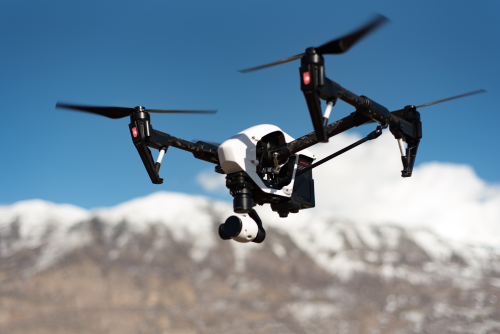
Knowing how to launch a drone training business is less about loving drones and more about packaging trust, safety, and outcomes people will actually pay for. The pilots who earn real revenue usually do three things well: they pick a clear market, teach to a defined result, and run training like a professional service rather than an informal flying lesson. If you want to turn your skills into a dependable business, this is the straightforward path.
Quick Take
If you want a drone training business that produces real revenue instead of occasional side income, focus on these fundamentals first:
- Pick one buyer type before you build a course: beginners, creators, commercial operators, or business teams.
- Sell outcomes, not “time with a pilot.” Buyers want safer flying, exam readiness, smoother operations, or content skills.
- Start with a simple offer ladder:
- entry product
- core training program
- premium team or specialist package
- Use documented lesson plans, checklists, and assessments so your service feels credible and repeatable.
- Price from cost and margin, not from what other local pilots casually charge.
- Verify local rules before advertising commercial training, issuing certificates, using a venue, or flying with students.
- The strongest training businesses move beyond one-on-one field sessions and add group programs, remote learning, refresher training, and business clients.
What kind of drone training business actually makes money?
A drone training business can work, but not every version of it works equally well.
The most common mistake is building a business around one-off beginner lessons only. That can generate cash, but it is hard to scale, weather-sensitive, and often underpriced. Teaching absolute beginners is still a valid starting point, but long-term revenue usually improves when you add repeatable programs and higher-value business services.
A useful way to think about the market is this: some buyers want confidence, others want compliance, and others want operational performance.
| Training model | Best buyer | Why they pay | Revenue profile | Main challenge |
|---|---|---|---|---|
| Beginner flight lessons | New hobbyists, first-time buyers | Confidence, setup help, safe first flights | Easy to start, lower ticket | Price pressure and high no-show risk |
| Certificate or exam prep | New commercial pilots | Faster path to legal flying and test readiness | Good demand where licensing matters | Must avoid overstating official recognition |
| Creator or FPV coaching | Content creators, YouTubers, photographers, FPV learners | Better footage, smoother control, faster skill growth | Premium if your work proves results | Narrower audience, instructor reputation matters a lot |
| Team onboarding | Media agencies, construction firms, survey teams, enterprise departments | Standardized safe operations for staff | Higher ticket, repeat business potential | Longer sales cycle and more paperwork |
| Industry-specific workflow training | Mapping, inspection, agriculture, public safety, infrastructure | Job-ready workflow skills, not just flying | Strong margins if specialized | Requires genuine domain expertise |
| Refresher and recurrent training | Existing operators and companies | Ongoing competency, onboarding new hires, risk reduction | Predictable repeat revenue | Needs a client base first |
If you are deciding where to start, remember this:
- Consumer training is easier to launch.
- Business training is harder to win, but usually more profitable and more repeatable.
- Specialist training is harder to design, but often easier to defend on price.
If every sale depends on your next free Saturday, you have created a paid hobby. If your offers can be taught in cohorts, reused, and sold to teams, you are building a business.
Pick your lane before you build anything
Do not start by making a giant curriculum.
Start by choosing a lane you can credibly own.
Four profitable lanes to consider
1. New pilot fundamentals
Best for pilots who enjoy teaching basics and can explain safety in plain language.
Typical outcomes:
- first setup and activation
- preflight habits
- manual control confidence
- basic photography or video skills
- local flying awareness
This lane is simple to start, but the buyers are often price-sensitive. It works best when paired with follow-on modules, group classes, or retailer partnerships.
2. Creator and camera skills
Best for aerial photographers, videographers, travel creators, and social content specialists.
Typical outcomes:
- smoother movement
- better framing
- safer flights in scenic locations
- shot planning
- editing-aware flying
This lane can command stronger pricing because you are not just teaching flight. You are teaching results the buyer can publish or sell.
3. FPV progression
Best for experienced FPV pilots who can teach safely and methodically.
Typical outcomes:
- simulator progression
- radio and quad setup basics
- first manual mode milestones
- crash reduction
- cinematic line planning
FPV training can be attractive, but it carries real risk. You need a disciplined safety setup, clear prerequisites, and a strong policy on where and how students fly.
4. Commercial and team training
Best for pilots with operational experience in business environments.
Typical outcomes:
- staff onboarding
- standard operating procedures, or SOPs
- mission planning
- risk management
- data capture consistency
- role-specific training for internal teams
This is where real revenue often lives, especially if you can help a company reduce incidents, shorten onboarding time, or standardize how multiple pilots work.
Questions that should decide your lane
Ask yourself:
-
What proof do I already have? – flight portfolio – client work – safe operations history – teaching experience – certifications or equivalent local credentials
-
What problem can I solve fastest? – “I can teach safe first flights” – “I can help your new hires operate consistently” – “I can improve your drone footage in two sessions”
-
Who can buy with the least friction? – individual students – local clubs – schools – agencies – enterprise teams
-
What type of teaching do I actually enjoy? – patient beginner coaching – technical classroom instruction – hands-on field work – structured business onboarding
A narrow starting position is a strength. You can always expand later.
Build offers around outcomes, not airtime
People rarely want “three hours of drone training.” They want a result.
That means your offers should be built as products, not vague lessons.
A practical offer ladder
Entry offer
This gets people in the door with low friction.
Examples:
- first-flight orientation
- drone setup and safety session
- simulator starter class
- group intro workshop
Goal: create trust, qualify the student, and identify upsell potential.
Core offer
This is your main revenue product.
Examples:
- beginner pilot fundamentals course
- certificate prep plus practical flight coaching
- aerial content creator bootcamp
- FPV fundamentals progression program
- commercial operations onboarding for small teams
Your core offer should include:
- clear learning objectives
- defined duration
- class size limit
- prerequisites
- what gear is included
- how performance is assessed
- what the student gets at the end
Premium offer
This is where margin can improve.
Examples:
- private intensive coaching
- on-site corporate team training
- custom SOP development workshop
- recurrency training and competency checks
- workflow-specific training for mapping or inspections
Premium offers work because the buyer is paying for faster results, reduced business risk, or a tailored process.
The minimum viable training package
Before you build anything elaborate, make sure you can describe your core program in one short paragraph:
- who it is for
- what outcome it delivers
- how long it takes
- whether it is remote, in-person, or blended
- what makes your version different
If you cannot explain it clearly, the buyer will not understand it either.
Price for margin, not just market noise
Pricing is where many good pilots quietly kill the business.
They charge for hours in the field and forget the real cost of delivering training. That makes revenue look better than profit.
What your price must cover
Include your direct delivery costs, such as:
- preparation time
- travel time
- site access or venue fees
- batteries, props, chargers, and wear
- assistant or observer support if needed
- simulator licenses or software tools
- insurance
- payment processing
- admin and follow-up time
- tax obligations where applicable
Then add the value of your expertise, your risk exposure, and your target margin.
Gross margin means what remains after the direct cost of delivering the training. For many training businesses, classroom-heavy or remote products should carry stronger margins than field-heavy private sessions.
Pricing models that usually work better than hourly billing
Per-seat pricing
Best for group classes and public workshops.
Good for:
- beginner cohorts
- classroom modules
- exam prep
- intro sessions
Advantage: easy to market and simple to understand.
Fixed package pricing
Best for most consumer offers.
Good for:
- fundamentals course
- creator coaching package
- FPV progression bundle
Advantage: easier to sell an outcome than open-ended lessons.
Day rate or half-day rate
Best for business clients.
Good for:
- team onboarding
- onsite workshops
- operational audits
- department training days
Advantage: straightforward for companies that already buy services this way.
Retainer or recurrent plan
Best for mature business relationships.
Good for:
- new staff onboarding every quarter
- periodic competency checks
- SOP refresh training
- seasonal recertification support
- trainer-on-call arrangements
Advantage: more stable revenue and stronger client retention.
A simple pricing rule
Do not ask, “What are other pilots charging?”
Ask:
- What does this cost me to deliver?
- What risk am I carrying?
- What business result am I helping the client achieve?
- How repeatable is this offer?
- Does the price leave enough room for growth, admin, and bad-weather disruption?
If your training includes travel, custom planning, or one-on-one field time, price it as a premium service. If it is standardized, repeatable, and group-based, price it for scale.
Create a curriculum people trust
A real training business needs more than experience. It needs structure.
You do not need a giant academy-style manual on day one, but you do need a teachable system.
What a solid curriculum should include
At minimum, build around these blocks:
- drone basics and terminology
- safety mindset and risk assessment
- local rule awareness and restricted-area thinking
- preflight inspection
- battery handling and charging discipline
- manual flight fundamentals
- emergency procedures
- mission planning
- postflight process and logging
- use-case module such as filming, inspections, or operations
Use learning objectives, not vague promises
A weak promise sounds like this:
- “Become a better pilot”
A stronger promise sounds like this:
- “By the end of this course, students can complete a safe preflight routine, explain local operating limits they must verify, perform controlled takeoff and landing, maintain orientation, and capture a basic orbit shot safely in a low-risk environment.”
That kind of clarity makes sales easier and delivery more professional.
Add assessment from the start
Every serious program should have some form of assessment, such as:
- written quiz
- preflight checklist evaluation
- supervised flight exercise
- scenario-based planning exercise
- debrief and progress scorecard
Assessment protects your reputation. It also helps the student feel they received real instruction, not just supervised flying time.
Safety, legal, and compliance risks to verify before you train
If your business involves live flight, you are operating in a regulated environment. Rules vary widely across countries and sometimes even across cities, parks, venues, and landowners.
Do not guess.
What you should verify before launching
Check with the relevant authority, insurer, venue, or legal adviser in your jurisdiction before you:
- advertise commercial drone instruction
- teach students to perform regulated operations
- claim your course prepares people for a specific government certificate
- issue certificates that could be mistaken for official licensing
- use public land, parks, rooftops, or private venues as a training site
- film students or bystanders for promotional use
- train minors
- fly near people, buildings, roads, airports, or sensitive locations
- operate with clients’ drones rather than your own insured equipment
Risk controls that matter in training
Training is not just flying. It is supervised risk.
Use written SOPs, meaning your standard operating procedures, for:
- site selection
- weather minimums
- spectator control
- student briefing
- emergency response
- battery and charging safety
- lost-link or flyaway response
- equipment failure
- incident reporting
Practical controls may include:
- conservative training locations
- clear takeoff and landing zones
- one student flying at a time unless you have a safe structured setup
- propeller and aircraft inspection before each session
- spotters or observers where needed
- simulator-first progression for higher-risk skills
- a documented no-go policy when conditions are wrong
Also be careful with your marketing language. “Certificate of completion” is not the same as “official pilot license.” Never blur that line.
Operational setup before the first paid student
Many pilots think they are ready once they have a lesson plan. In reality, the business becomes usable when operations are tidy.
Your pre-launch checklist
Make sure you have:
- a simple service agreement or training terms reviewed for your jurisdiction
- cancellation and weather rescheduling policy
- waiver and consent process where appropriate
- public liability or commercial insurance appropriate to your activities
- a standard gear kit with backups
- maintenance and battery logs
- student intake form
- lesson record template
- payment and invoicing workflow
- booking calendar
- post-course feedback form
- testimonial permission process
If you teach businesses, add:
- proposal template
- scope of work
- training outline by role
- attendance record
- assessment report
- options for refresher training
The more repeatable your back end becomes, the easier it is to deliver consistently and protect your time.
How to win your first paying students and clients
You do not need a huge brand to start. You need a believable offer and a direct path to buyers.
Best early channels for consumer training
- past clients who already know your flying work
- local camera and electronics retailers
- creator communities
- photography clubs
- hobby groups
- flight communities
- short workshops at maker spaces or coworking venues
- targeted social content showing your teaching style, not just your flying
A useful rule: post what students learn, not only what you can do.
Best early channels for business training
- companies already using drones informally without standardized training
- survey, inspection, media, construction, agriculture, and infrastructure teams
- agencies that want in-house capability
- managers responsible for safety or operations
- businesses onboarding new pilots across multiple locations
When pitching a business client, avoid talking only about stick skills. Talk about:
- safer operations
- fewer preventable incidents
- faster onboarding
- standardized procedures
- clearer accountability
- more consistent outputs
That is what budgets are usually built around.
A better sales process than “DM me for rates”
Use a simple sequence:
- Qualify the buyer.
- Diagnose the outcome they want.
- Recommend the right package.
- Explain what is included and what is not.
- Set scheduling, weather, and compliance expectations early.
- Deliver.
- Debrief and ask for the next step: – advanced training – refresher session – team package – referral
What people get wrong
They try to teach everyone
Beginners, FPV racers, enterprise teams, and travel creators are not one market. The wider your message, the weaker your positioning.
They sell time instead of transformation
“Two hours of training” is weak. “Safely go from unopened drone to confident first flights in one weekend” is stronger.
They ignore the economics of field training
Travel, weather, setup, and admin eat margin fast. A business built only on one-to-one outdoor sessions can become exhausting.
They overbuild before testing demand
You do not need a 40-page handbook, branded uniforms, and a polished academy website before your first cohort. Sell a pilot version, deliver it well, improve it from real feedback.
They promise recognition they do not have
Do not imply official accreditation, licensing authority, or regulatory approval unless you truly have it.
They skip documentation
If an incident happens, undocumented training processes are a weakness. Checklists, student records, and SOPs are not bureaucracy. They are business protection.
A straightforward 90-day launch plan
If you want momentum, keep the first version lean.
Days 1 to 14: choose your market and offer
- pick one lane
- define the student or client
- write a one-paragraph promise
- list the exact modules included
- decide whether you are selling one-on-one, group, or team training first
Days 15 to 30: validate demand
- speak to 10 to 15 likely buyers
- ask what outcome they want most
- ask what has stopped them from learning so far
- pre-sell your first training date or first corporate workshop
- refine the offer based on objections
Days 31 to 45: build the minimum viable curriculum
- lesson sequence
- checklist
- safety brief
- assessment method
- booking and payment flow
- weather and cancellation policy
Days 46 to 60: set your operating foundation
- confirm insurance and local permissions you need to verify
- secure your training location
- standardize your gear
- create intake, attendance, and feedback forms
- prepare one-page proposals and invoices
Days 61 to 75: run the pilot cohort
- teach a small group
- time every part of delivery
- track where students get stuck
- collect testimonials and before-and-after feedback
- tighten the curriculum immediately
Days 76 to 90: productize and grow
- convert lessons into a repeatable package
- raise pricing if the first version was underpriced
- add a follow-on offer
- approach partners or business clients with proof from your first delivery
- build a simple referral loop
The goal is not perfection. The goal is a repeatable offer that delivers a real result.
FAQ
Do I need a special instructor certification to teach drone flying?
That depends on your country and the type of training you offer. In some places, your existing pilot credential may be enough for certain instruction, while other jurisdictions may have extra requirements for commercial training, recognized schools, or official exam prep. Verify this with the relevant aviation authority before advertising.
Should I start with hobbyist lessons or business clients?
Most pilots start faster with hobbyist or beginner training because the sales cycle is shorter. Business clients usually take longer to win, but they often bring higher-value projects and repeat work. If you already have business operations experience, start there.
Can I run a drone training business online only?
Yes, for theory, safety, planning, workflow, editing, simulator coaching, and exam preparation. But online-only training limits what you can offer for practical flight skills. A blended model often works best: remote theory plus in-person field assessment.
How many drones do I need to begin?
You can start with a small, reliable, standardized training kit rather than a large fleet. What matters most is consistency, safe setup, spare batteries, backup props, and a plan for equipment failure. If students use their own drones, confirm insurance and liability implications first.
Is certification prep a good business model?
It can be, especially where pilots need a legal credential or remote pilot certificate to work commercially. The key is to be precise in your language. You can offer preparation and coaching, but do not imply government approval or guaranteed outcomes unless that is formally true.
How do I handle bad weather and cancellations?
Set the policy before booking. Explain what happens if weather makes flying unsafe, whether classroom time still runs, how rescheduling works, and when fees are transferable. A vague weather policy creates unnecessary disputes.
Can a drone training business scale beyond me?
Yes, but only if your service is documented and repeatable. The path to scale usually includes cohort-based courses, blended learning, business training packages, standardized assessments, and eventually other instructors teaching your method.
What insurance should I look at?
The answer varies by jurisdiction and activity. At minimum, discuss your exact training model with an insurer or broker who understands drone operations. Public liability, commercial activity coverage, venue requirements, and equipment coverage may all matter.
Final takeaway
If you want real revenue from drone training, do not start by trying to become a giant academy. Start by solving one clear problem for one clear buyer, wrap it in a repeatable offer, and run it with professional safety and documentation. The smartest next move is simple: choose your lane, pre-sell your first cohort or workshop, and build the business around what people are already willing to pay for.