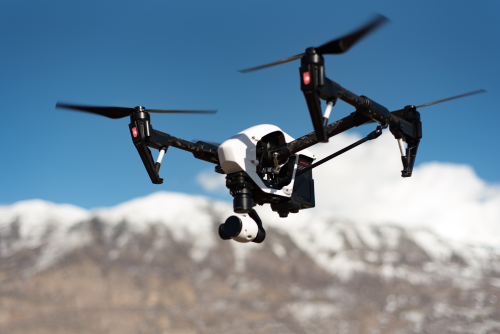
Hotels hear from creators every week, and most pitches blur together: cinematic drone video, beautiful visuals, flexible rates. If you want to know how to pitch drone content to hotels without looking generic or undercutting your value, you need to sell a property-specific marketing outcome, not just aerial footage. The strongest pitches show that you understand the hotel’s audience, content gaps, brand standards, and the operational reality of filming on an active property.
Quick Take
If you want better replies from hotels, focus on these points first:
- Lead with a business use case, not your drone model or editing style.
- Make the pitch specific to one property, one audience, and one content gap.
- Offer a scoped content package, not “a quick drone reel.”
- Price around deliverables, usage rights, access difficulty, editing, and risk, not just flight time.
- Treat drone footage as one part of a hospitality content system that may also include interiors, vertical clips, stills, and short campaign edits.
- Never promise shots before you verify local flight rules, property approval, airspace limits, privacy concerns, and insurance requirements.
Why hotel teams ignore most drone pitches
Most hotel drone pitches fail for five simple reasons.
They sound mass-sent
A hotel can tell when you copied the same message to 50 properties. If your pitch could be sent to any resort, boutique hotel, lodge, or city stay without changing a word, it will feel disposable.
They focus on the tool instead of the outcome
Hotels do not buy drones. They buy content that helps them present the property better across their website, social channels, paid campaigns, event sales, and direct-booking pages.
“Cinematic drone footage” is not a business case. “A short-form content package that shows how the rooftop, pool, and beach connect in a guest’s arrival experience” is.
They underprice themselves too early
When you open with “I can do this cheaply” or “I’m happy to work for a stay,” you teach the buyer to compare you as a commodity. That makes it harder to defend your scope, your process, and your margins later.
They ignore hotel operations
A hotel is not an empty film set. It has guests, staff, privacy concerns, brand standards, check-in times, busy amenities, noise sensitivities, and sometimes restricted flight conditions nearby. If your pitch ignores that reality, you sound inexperienced.
They offer content the hotel cannot actually use
Many creators pitch a flashy edit with no thought for:
- vertical versus horizontal delivery
- cutdowns for ads or reels
- web hero clips
- still frame grabs
- room category coverage
- usage rights
- revision process
- campaign timing
Hotels need usable assets, not just pretty footage.
What hotels are actually buying
The better you understand the property’s commercial goal, the better your pitch will land.
| Property type | Likely content goal | Better pitch angle | Useful deliverables |
|---|---|---|---|
| Boutique city hotel | Sell style, neighborhood feel, rooftop/bar atmosphere | Show arrival, design details, surrounding context, social energy | 1 hero edit, 3 to 5 vertical clips, exterior establishers, stills |
| Beach or leisure resort | Sell escape, scale, amenities, experience flow | Show how guests move from arrival to room to pool to beach to dining | Brand film, short ad cutdowns, amenity clips, web clips |
| Luxury lodge or nature stay | Sell exclusivity, place, landscape, calm | Use restrained aerials to show setting and privacy, not nonstop flyovers | Cinematic hero film, short vertical edits, landscape stills |
| Business hotel | Sell convenience, meeting spaces, professionalism | Show access, lobby flow, rooms, workspaces, event capacity | Short website assets, meeting/event clips, clean exterior shots |
| Wedding or event-focused hotel | Sell venue layout and guest flow | Show ceremony areas, ballroom, evening lighting, accommodations | Venue overview film, vendor-friendly clips, stills, social cutdowns |
Independent hotels and chains buy differently
This matters more than many creators realize.
- Independent hotels can move quickly if the owner, general manager, or marketing lead likes the concept.
- Chain or managed properties may need approval from a brand, regional marketing team, management company, or agency.
A chain property might love your reel but still need to confirm:
- brand visual standards
- logo usage
- talent and wardrobe rules
- distribution channels
- vendor onboarding
- insurance documents
- who owns the final assets
Before you quote, ask how the hotel plans to use the content and who signs off on production.
Build a property-specific pitch before you contact anyone
A strong hotel pitch usually comes from research, not charisma.
1. Audit the property’s current content
Look at the hotel’s website, social media, maps listing, and recent campaigns.
Ask:
- What do they show well already?
- What feels outdated, thin, repetitive, or flat?
- Are they missing a strong exterior sense of place?
- Do they show amenities but not how they connect?
- Are the videos too generic to feel local?
You do not need a full audit. You need one clear observation.
2. Pick one commercial gap
Do not pitch “everything.” Pick one problem you can solve.
Examples:
- The property looks premium indoors, but the exterior and location context feel weak.
- The resort has great amenities, but there is no short-form content showing the guest journey.
- The hotel has wedding/event potential, but venue layout is not clear from current visuals.
- The property has a strong setting, but its current content does not show scale or privacy.
One gap creates a focused pitch. A long list looks unfocused.
3. Match the concept to the guest journey
Hotels sell an experience sequence, not isolated shots.
Good hospitality content often follows this flow:
- Arrival and first impression
- Exterior and setting
- Signature amenity
- Room or suite experience
- Dining, wellness, or activity
- Sunset, night mood, or event energy
If you pitch drone footage, explain where aerials help that journey. Usually they work best for context, approach, scale, and transitions, not nonstop coverage.
4. Turn the idea into a tight deliverable set
Your first pitch should feel easy to evaluate.
Instead of a long menu, offer a small, clear package such as:
- 1 hero brand edit
- 4 vertical social clips
- a small library of edited selects or still frames
- optional interiors or lifestyle coverage
- usage tailored to web and social
This feels more professional than “I can shoot anything you need.”
5. Sanity-check the shoot before you promise it
Before pitching a rooftop reveal, beachfront orbit, or sweeping approach shot, ask yourself whether it is even feasible.
Check for issues like:
- nearby airports or helipads
- protected coastlines or parks
- guest-heavy pool decks or balconies
- local privacy expectations
- weather and wind exposure
- whether foreign operators can legally fly there if you are traveling
You do not need every answer before first contact, but you should not pitch impossible shots.
How to sound specific instead of generic
A few wording changes make a big difference.
| Weak line | Why it misses | Stronger angle |
|---|---|---|
| “I create cinematic drone videos for hotels.” | Tool-focused and broad | “I help hotels turn location and amenity highlights into short-form assets for web, social, and campaign use.” |
| “Your property is beautiful and would look amazing from the air.” | Empty praise | “Your rooms are presented well, but your current content does not yet show how the terrace, pool, and coastline connect as one arrival experience.” |
| “I can offer a great deal.” | Signals commodity pricing | “I can scope this as a small refresh package or a fuller campaign set depending on how you want to use the content.” |
| “I’d love to collaborate in exchange for a stay.” | Can sound like influencer outreach, not service work | “If you’re already planning a content refresh, I can send a tight concept and production scope that fits a hospitality marketing workflow.” |
Specificity comes from three things:
- naming a real content gap
- describing a usable outcome
- showing you understand the property’s context
How to protect your value without racing to the bottom
The fastest way to look replaceable is to sell a cheap drone reel.
Sell a content package, not airtime
Hotels rarely care how long the drone was in the air. They care about what they receive and where they can use it.
Anchor your offer around:
- concept and pre-production
- capture time
- editing
- format versions
- revision rounds
- licensing or usage rights
- travel and contingency
- any extra coordination needed on-site
That framing makes your work harder to compare against low-cost hobbyist offers.
Use options instead of discounts
A good way to stay flexible without undercutting yourself is to present scoped options.
| Offer type | Best for | What it includes | Why it protects value |
|---|---|---|---|
| Refresh package | Small hotels or first-time buyers | Focused shoot, one core edit, a few short cutdowns | Clear scope, easy approval, limited revisions |
| Campaign package | Seasonal promotions or launches | Broader shot list, multiple edits, mixed formats, possibly interiors and lifestyle | Positions you as a marketing partner, not a clip seller |
| Content library package | Larger properties or ongoing teams | Multi-scene capture, organized asset bank, reusable clips and stills | Better for larger budgets, supports long-term use, easier upsell path |
Separate production from usage
A hotel that wants content for one property’s social channels is different from a hotel group that wants broad, long-term, multi-channel use.
At minimum, clarify:
- where the content will be used
- whether use is limited to one property or a wider brand
- whether paid advertising is included
- whether raw footage is included
- whether the hotel wants exclusive rights
If you do not separate production from usage, you can accidentally give away far more value than you meant to.
Barter is a business decision, not a default
A complimentary stay can make sense if:
- you are intentionally building a hospitality portfolio
- the property is highly aligned with your target clients
- the scope is small and tightly limited
- the stay replaces a real travel cost you were already going to incur
It is a bad deal when:
- the hotel expects a full commercial campaign
- you are covering a large property with heavy editing needs
- the hotel wants broad or indefinite usage
- you still carry licensing, insurance, travel, and weather risk
- you are giving them assets that help them commercially long after the stay
If you choose barter, scope it more tightly than paid work.
Protect your margin in the quote
Your quote should address common profit leaks:
- extra revisions
- sunrise and sunset split shoots
- weather delays
- permit or location admin
- on-site waiting time
- same-day selects
- raw footage delivery
- rush turnaround
- talent coordination
A cheap quote often becomes the most expensive project to produce.
A pitch structure that gets replies
Do not overbuild the first message. Keep it short, relevant, and easy to forward internally.
Use this 6-part structure
-
Personal opener
Mention the property and one real observation. -
Commercial angle
Explain the content gap or opportunity. -
Clear concept
Suggest a realistic shoot idea tied to guest experience. -
Deliverables
Offer a small, concrete output set. -
Operational awareness
Show that you understand permissions, guest privacy, and feasibility matter. -
Low-friction next step
Ask if they want a one-page concept or a quick call.
Example first message
Use this as a framework, not a script:
Hi [Name], I was looking at [Property] and noticed your current visuals present the rooms well, but they do not yet show how the arrival, pool, and dining areas connect as one guest experience. I produce hospitality content packages that combine aerial establishing shots, where permitted, with short-form edits built for web and social use. For your property, I’d suggest a focused content refresh around arrival, one signature amenity, room approach, and sunset atmosphere, delivered as one hero edit plus several vertical cutdowns. If useful, I can send a one-page concept and confirm flight feasibility before discussing dates.
That pitch works because it is:
- short
- property-specific
- outcome-focused
- operationally grounded
- easy to reply to
What to send if they ask for more
Once a hotel shows interest, send a concise follow-up package:
- a relevant hospitality reel, not your broadest drone montage
- 1 page of concept notes
- example deliverables
- a simple shot approach
- your assumptions around approvals, access, and weather
- a quote or scoped options
- your usage and revision terms
Do not bury them in a giant deck unless they ask for one.
Safety, legal, compliance, and operational risks to clear before the shoot
Hotel work feels lifestyle-friendly, but it is still commercial production. Be careful about what you promise.
Verify before confirming scope
Rules vary widely by country, city, airspace, and property type. Before the shoot, verify the following with the relevant authorities and the property:
- whether commercial drone operations are allowed in that location
- whether you need registration, pilot credentials, airspace authorization, or a local operator
- whether foreign pilots can legally conduct commercial flights there
- whether the property owner’s permission is enough, or only one part of the process
- whether nearby airports, heliports, hospitals, seaplane areas, or emergency corridors create extra restrictions
- whether beaches, parks, coastlines, heritage sites, or wildlife areas have separate limits
- whether guest privacy, model releases, or restricted amenity areas affect filming
- whether your insurance meets the property’s requirements
Hotel permission does not automatically equal flight permission
A hotel manager may approve the shoot, but that does not mean the flight is legal or safe. Property approval, airspace approval, and privacy considerations are separate issues.
Have a non-drone fallback
Sometimes the best commercial move is to keep the shoot and replace aerials with:
- gimbal walk-throughs
- elevated static shots where allowed
- detail-driven lifestyle coverage
- ground-based establishing sequences
If your whole pitch collapses without the drone, you have positioned the service too narrowly.
Common mistakes that make hotel pitches weaker
Pitching your portfolio instead of their problem
Your reel matters, but only after the hotel sees why you are relevant to them.
Contacting the wrong person
A boutique hotel may reply fast through the owner or GM. A branded hotel may need its marketing lead, regional team, or agency. Find out who actually owns content decisions.
Leading with price
Low price gets attention, but it often attracts low-clarity projects and broad expectations.
Offering too many deliverables too early
A massive list can make the buyer hesitate. Start focused.
Sending a travel-creator DM instead of a service pitch
“Let’s collaborate” means one thing in influencer marketing and another in production. If you want paid work, write like a service provider.
Ignoring usage rights
This is where many creators quietly give away value.
Promising dramatic shots without feasibility checks
Luxury resorts, city hotels, and coastal properties often have operational restrictions that make certain aerials unrealistic.
Making the drone the hero instead of the property
Hotels are selling atmosphere, trust, and experience. The drone is there to support that story.
FAQ
Should I pitch drone content as a standalone service or as part of a wider package?
Usually as part of a wider package. Drone footage often helps most when it supports room, amenity, lifestyle, and brand storytelling content rather than standing alone. A wider package also protects your value because the buyer compares a content solution, not just a flight.
Who is the best person to contact at a hotel?
For smaller independent properties, try the owner, general manager, or marketing lead. For larger hotels, look for a marketing manager, director of sales and marketing, brand manager, or external agency contact. If you are unsure, ask who handles content or brand visuals for the property.
Is working for a complimentary stay ever worth it?
Sometimes, but only when it is a deliberate business decision. It can make sense for a tightly scoped portfolio-building project at a property that strongly matches the clients you want. It usually does not make sense for a broad commercial deliverable set with wide usage rights.
Do I need to mention permits, insurance, and legality in the first message?
You do not need to turn the first email into a legal memo, but you should signal professional awareness. A simple phrase like “where permitted” or “subject to local flight feasibility and property approval” shows maturity. Once the hotel is interested, move compliance into the production conversation.
What usage rights should a hotel get?
That depends on the scope. A single-property social and website license is different from broad, group-wide, paid-ad, long-term use. Clarify channels, territory, duration, exclusivity, and whether raw footage is included. The wider the usage, the more carefully you should price and document it.
What if the hotel wants unlimited raw footage?
Be cautious. Raw footage can create extra transfer time, storage costs, uncontrolled edits, and wider usage than the original scope. If you provide it, define what is included, how it can be used, and whether that changes the fee or license.
What if drone flight is not allowed at the property?
Do not force it. Offer a ground-based plan that still solves the content need. A strong operator or creator should be able to deliver usable hospitality content even when aerial capture is limited or unavailable.
Do chain hotels buy differently from independent hotels?
Yes. Independent hotels often move faster and approve content locally. Chain hotels may need brand review, vendor paperwork, visual consistency, and broader rights discussions. Ask early whether the decision sits at property level or above it.
The best next move
If you want hotel clients to take you seriously, stop pitching “drone videos” and start pitching a property-specific content outcome. Show one real observation, propose one practical concept, scope the deliverables clearly, and protect your value through usage, revisions, and operational boundaries. That is how you look less generic, win better conversations, and avoid becoming the cheapest option in the inbox.