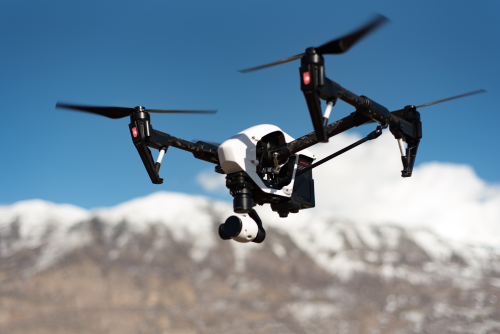
Plenty of new drone businesses launch with the same ingredients: a cinematic reel, a vague “we do aerial services” tagline, and a low rate meant to win quick work. That usually attracts bargain hunters, not strong clients. If you want to start a drone business without looking generic or undercutting your value, you need a clearer position, better scoping, and pricing built around outcomes, not just flight time.
Quick Take
- Do not sell “drone services” as a broad commodity. Sell a specific result for a specific buyer.
- Pick one or two service lanes first, not six. A narrow offer looks more professional than a long list of unrelated gigs.
- Price the whole job: planning, travel, compliance, capture, editing, revisions, file delivery, risk, and gear wear.
- Build packages around deliverables and turnaround time, not around minutes in the air.
- Use proof that matters to buyers in that niche: sample reports, before-and-after shots, consistent framing, annotated captures, or campaign-ready edits.
- Verify local commercial flight rules, site permissions, insurance expectations, privacy laws, and restricted airspace before accepting paid work.
- You can be new without looking cheap. What makes you look cheap is being unclear, inconsistent, and willing to do everything for everyone.
Why generic drone businesses get stuck in low-price mode
Most buyers do not wake up wanting “a drone pilot.” They want a result:
- a real estate listing that looks better than competing listings
- a site progress record investors can review
- inspection imagery that reduces climbing or access time
- social content that fits a campaign deadline
- repeatable aerial views for marketing or documentation
When your business looks generic, the client has no reason to compare anything except price.
That generic look usually comes from a few patterns:
- a homepage that lists every niche at once
- messaging that says “high-quality drone footage for any industry”
- no clear process or deliverable examples
- rates based on what random pilots are charging, not on your costs
- a portfolio full of pretty shots but no business context
The fix is not “better branding” in the abstract. The fix is better positioning.
Specialization does not mean you can never do other jobs. It means your market understands what you are best at, why that matters, and why hiring you is less risky than hiring a cheaper generalist.
Start with a position, not a fleet
A lot of people start backwards. They buy more aircraft, more batteries, more filters, and more software before they know who they are selling to.
That creates pressure to take any job at any price.
A stronger start is to define your business position first, then shape your gear, workflow, and pricing around it.
A simple positioning formula
Use this sentence as a starting point:
I help [buyer type] get [specific outcome] through [drone workflow] delivered as [clear output] with [proof, process, or operational advantage].
Examples:
- I help property agents market premium listings through aerial photo and short-form video packages delivered in brand-ready formats within 48 hours.
- I help construction teams document project progress through repeatable site capture delivered as labeled image sets and monthly progress folders.
- I help roofing contractors speed up estimates through aerial inspection imagery delivered as organized defect-focused photos without unsafe ladder access.
- I help tourism brands create campaign-ready destination content through aerial and ground hybrid shoots delivered in vertical and horizontal edits.
Each example tells the buyer four things:
- Who it is for
- What business problem it helps solve
- What gets delivered
- Why the operator is easier to hire than a generic freelancer
Compare service lanes before you choose one
The best niche is not always the one with the flashiest visuals. It is the one where you can explain value, access buyers, and deliver reliably.
| Service lane | Best buyers | Why clients pay | Main watchouts |
|---|---|---|---|
| Real estate marketing | Agents, brokers, developers, hospitality | Faster, better listing presentation and stronger visuals | Often crowded and price-sensitive unless you bundle editing, speed, or premium positioning |
| Construction progress | Contractors, developers, asset owners | Repeatable documentation and stakeholder reporting | Safety rules, site induction, access restrictions, recurring reliability matter more than cinematic style |
| Roof and facade inspection capture | Roofers, facilities teams, insurers, maintenance firms | Reduced access time and better visual records | Do not imply engineering or insurance conclusions unless qualified and permitted |
| Mapping and site models | Construction, mining, land management, survey support teams | Measurement, planning, and recurring site intelligence | Accuracy expectations, software workflow, and regulatory limits are higher |
| Brand, tourism, and event content | Agencies, venues, tourism operators, brands | Campaign visuals and social content that stands out | Permissions, crowd rules, weather, and scheduling can be complex |
A good lane for a beginner usually has three qualities:
- you can reach buyers without a huge sales team
- you can show clear value beyond “nice footage”
- you can build repeatable workflow and portfolio proof quickly
Choose based on buyer access, not just personal interest
Ask these questions before committing to a service lane:
- Do I already know this market or have a realistic way in?
- Can I explain the buyer’s return on investment in one sentence?
- Are the deliverables clear and repeatable?
- Can I legally and safely operate in the environments this work requires?
- Will this niche produce repeat business or only one-off jobs?
For many beginners, a solid path is to start with one core offer and one adjacent upsell. For example:
- real estate aerials plus short-form listing video
- construction progress capture plus monthly reporting folders
- inspection imagery plus organized defect photo delivery
That is enough to look focused without being boxed in.
Turn your position into an offer clients can actually buy
Clients do not want to decode your skillset. They want to choose a service.
A strong drone business offer includes:
- the problem being solved
- the type of client it is for
- what is included
- what is not included
- turnaround time
- revision limits
- weather or access conditions
- usage terms if relevant
- optional add-ons
Sell packages and scopes, not vague availability
“We charge for drone filming” sounds generic.
“Monthly site documentation with matched takeoff points, fixed camera angles, and organized delivery within two business days” sounds usable.
Here are three better-structured examples.
Example 1: Listing Launch Package
For: agents, property marketers, boutique hospitality
Includes:
- aerial stills
- short edited hero video
- basic location planning
- one round of minor edit revisions
- delivery in formats suitable for listing platforms and social channels
Possible add-ons:
- twilight session
- vertical cut for social
- ground camera coverage
- rush delivery
Example 2: Progress Documentation Package
For: developers, contractors, project teams
Includes:
- scheduled recurring site visits
- repeatable capture points
- overview images plus key area captures
- labeled file structure by date and location
- delivery within an agreed reporting window
Possible add-ons:
- basic progress highlight edit
- cloud archive management
- stakeholder summary deck support
Example 3: Inspection Capture Package
For: roofing, facade, facilities, maintenance
Includes:
- high-resolution image capture of agreed areas
- organized folders by elevation or asset zone
- close-up visuals where safe and lawful
- delivery notes tied to image names or location references
Possible add-ons:
- repeat maintenance checks
- side-by-side comparison over time
- raw file delivery by request
Notice what these have in common: the client is buying clarity.
That clarity helps you avoid random requests, free extra work, and endless back-and-forth.
Price for margin, not for fear
Undercutting usually starts with one bad assumption: “The client is paying for the flight.”
They are not.
They are paying for the full job:
- inquiry handling
- planning
- travel
- site coordination
- compliance checks
- risk assessment
- setup time
- capture
- backup handling
- editing or processing
- delivery
- revision management
- equipment wear
- software
- insurance
- your judgment when conditions change
If you price only the visible part of the work, your business will look busy while staying weak.
Four pricing models and when to use them
Project pricing
Best for: real estate, brand shoots, defined deliverables
Why it works: – easy for clients to compare against a clear outcome – keeps the conversation on scope, not minutes – protects margin if you work efficiently
Risk: – poor scoping can turn a “simple job” into unpaid extra work
Half-day or day rate
Best for: agencies, complex capture days, variable on-site needs
Why it works: – useful when the client controls the schedule – helps when deliverables are broad or still evolving
Risk: – newer operators often set the rate too low and absorb editing later
Retainer or recurring package
Best for: construction progress, tourism content, recurring brand content
Why it works: – stabilizes cash flow – reduces client acquisition pressure – makes you look like a process partner, not a one-off pilot
Risk: – you need clear service boundaries, scheduling rules, and minimum term expectations
Per asset or per site unit
Best for: repeatable inspection or multi-location work
Why it works: – simple for scaled projects – easy for procurement teams to budget
Risk: – dangerous if site conditions vary widely and you have not defined exclusions
Build your pricing floor before you quote anyone
Before setting prices, calculate your minimum viable rate.
Include:
- aircraft replacement reserve
- batteries, chargers, storage, and maintenance
- software subscriptions
- insurance
- licensing or training costs where required
- travel and vehicle costs
- editing time
- file delivery and storage
- accounting and admin
- marketing
- tax buffer based on your local situation
- a profit margin, not just wage replacement
Then divide that by realistic billable capacity, not by the number of days in a year.
A common mistake is assuming you can bill most working days. In reality, many days are lost to sales, weather, planning, admin, charging, training, and rescheduling.
If you want a practical rule, use this:
- Estimate annual business costs.
- Add the annual income you need the business to produce.
- Add a contingency buffer.
- Divide by the number of jobs or billable days you can realistically deliver.
- Use that as your floor, not your target.
Discount carefully or not at all
Discounting is not always wrong. Random discounting is.
A discount can make sense when the client gives you something meaningful in return:
- multiple locations booked together
- recurring monthly work
- reduced revisions
- flexible scheduling
- longer turnaround
- simplified deliverables
- prepayment
- permission to use work in your portfolio where appropriate
If you cut price, cut scope with it.
Never let a “starter discount” become your market identity.
Look credible before you look cinematic
A lot of operators invest in visual style before they invest in business trust.
Clients buying commercial drone services care about more than dramatic footage. They want to know:
- Can you handle the job professionally?
- Do you understand their industry?
- Will the files arrive in the right format?
- Can you operate safely and legally?
- What happens if weather changes?
- Will you waste their time?
Credibility signals that increase value
- a homepage that speaks to one buyer type clearly
- a portfolio organized by use case, not just by best-looking clips
- sample deliverables that mirror real jobs
- a short explanation of your process
- turnaround standards
- revision policy
- file naming and delivery structure
- an explanation of what clients need to provide before a shoot
- proof of insurance or authorizations available on request where relevant
Generic copy vs useful copy
Weak: – We provide high-quality drone photography and videography for all industries.
Stronger: – We create repeatable aerial progress documentation for construction teams, delivered in organized dated folders with consistent viewpoints for easier monthly comparison.
The second version sounds more valuable because it sounds more operationally useful.
Compliance, safety, and operational limits that affect your value
Commercial drone work is not only a creative service. It is an operational service.
That matters because serious clients often pay more for lower risk.
Before taking paid work, verify the rules that apply in your country and the exact location of the job with the relevant aviation authority, property owner, venue, park, or local authority. Requirements vary widely.
What you should verify before accepting a job
- whether commercial drone operations require registration, pilot certification, operator authorization, or special approvals
- airspace restrictions and location-specific flight limitations
- site access and landowner permission
- whether flights near people, roads, buildings, events, or sensitive facilities are restricted
- whether night operations, higher-risk flights, or specialized workflows need additional approval
- privacy and data protection obligations when capturing people, homes, vehicles, or sensitive sites
- client insurance requirements
- whether your deliverable crosses into regulated professional advice
That last point matters. Capturing images for inspection is not the same as providing engineering, survey, or diagnostic conclusions. If you are not qualified or authorized to make technical judgments, do not imply that you are.
Build compliance into your sales process
Your quote or proposal should make these assumptions visible:
- work is subject to safe and lawful flight conditions
- required permissions and access must be available
- weather may affect scheduling
- certain requested shots may not be possible
- revised scope or waiting time may change pricing
- the client is responsible for any site-specific approvals they control
This does two things:
- It protects you operationally.
- It makes you look more professional than a cheap pilot who says yes to everything.
Win clients with process, not just pretty footage
The easiest way to stop competing on price is to make your service easier to buy.
That means leading discovery calls with business questions, not gear talk.
Ask better questions
- What decision or outcome is this content supporting?
- Who will use the final files?
- In what format do they need the deliverables?
- Is this a one-time need or recurring workflow?
- What access, timing, or compliance constraints exist on site?
- What happens if weather causes delay?
- Are there brand, reporting, or naming conventions we should match?
These questions immediately separate you from hobbyists and low-cost generalists.
Build a simple client journey
- Inquiry and fit check
- Site and compliance review
- Clear proposal with scope and exclusions
- Shoot plan and scheduling
- Capture and quality checks
- Delivery with file structure that makes sense
- Follow-up and next-job recommendation
A drone business starts looking premium when the process feels reliable.
Partnerships are often better than marketplaces
If you want less price pressure, build relationships with businesses that already serve your ideal clients:
- real estate photographers
- marketing agencies
- construction consultants
- roofing contractors
- facilities managers
- tourism marketers
- production companies
A trusted partner can send better-fit work than a public gig board full of price shoppers.
Common mistakes that make a drone business feel cheap
1. Trying to serve every niche at once
A long list of services often signals inexperience, not versatility.
2. Charging based on what strangers charge
Their market, costs, skill level, and compliance burden may be very different from yours.
3. Pricing only the flight
The editing, planning, travel, and risk management are often where your margin disappears.
4. Giving away unlimited extras
Extra locations, extra edits, raw files, same-day delivery, and weather reschedules should not all be included by default.
5. Leading every sales conversation with gear
Clients care about results, speed, safety, reliability, and fit.
6. Using a cinematic reel as your only proof
A buyer in construction or inspection often values consistency, file organization, and repeatability more than dramatic moves.
7. Accepting jobs you are not qualified to deliver
Do not claim technical capabilities, legal permissions, or industry expertise you do not yet have.
FAQ
Do I need the most expensive drone to start a drone business?
No. Reliability, image quality appropriate to the job, safe operation, and an efficient workflow matter more than having the most expensive aircraft. A simpler setup paired with a clear offer often beats premium gear paired with weak positioning.
Is real estate the best niche for beginners?
It can be a practical starting point because the deliverables are easy to understand, but it is also one of the most crowded and price-sensitive lanes. If you choose it, differentiate with speed, bundled edits, local market knowledge, or premium presentation rather than basic aerial photos alone.
Should I charge per hour, per project, or per deliverable?
In most cases, project pricing or packaged deliverables works better than pure hourly pricing because it keeps the client focused on outcome. Use hourly or day rates mainly when the scope is genuinely variable or the client is booking your time rather than a fixed result.
How do I stop clients from comparing me to cheaper pilots?
Make the comparison harder. Be more specific about scope, process, turnaround, safety, delivery structure, and industry fit. Cheap quotes often look similar because they hide details. A clearer offer justifies a higher fee.
Can I offer inspections, mapping, or thermal services right away?
Only if you can perform them competently, lawfully, and with the right workflow. Some technical services carry higher expectations around accuracy, interpretation, reporting, and safety. Verify local requirements and do not present technical conclusions beyond your training or authority.
What should be in my first client agreement?
At minimum: scope, deliverables, turnaround, revisions, payment terms, rescheduling rules, weather limits, client responsibilities for site access, compliance assumptions, liability language appropriate to your jurisdiction, and how long files will be stored. If you are unsure, have a local professional review your contract template.
Can I start a drone business part-time?
Yes, if you can still be reliable. The main risk is overpromising availability, turnaround, or rescheduling flexibility. Part-time works best when you offer tightly scoped services and set realistic booking windows.
The next move
If you want to start a drone business without looking generic or undercutting your value, do not begin by asking what drone to buy or what competitors charge. Start by choosing one buyer, one problem, one offer, and one workflow you can deliver consistently. Clear positioning makes pricing easier, better clients easier to win, and your business much harder to treat like a commodity.