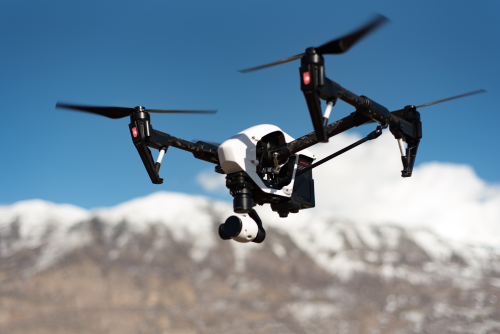
A drone repair side hustle can be more than spare cash if you run it like a service business instead of a hobby bench project. Pilots, creators, racers, and small fleet operators lose time and money when a damaged aircraft sits waiting for parts, diagnosis, or a trusted local fix. If you want to know how to start a drone repair side hustle that creates real revenue, the path is simple: specialize, price for total time, document everything, and stay disciplined about safety and compliance.
Quick Take
Starting a drone repair side hustle is viable in most markets, but it works best when you focus on a narrow repair lane instead of trying to fix every drone that shows up.
Key points:
- The fastest path to revenue is not “becoming a full drone engineer.” It is offering reliable help for a specific set of common problems.
- Good starter lanes include FPV crash repairs, consumer drone module swaps, firmware and calibration troubleshooting, and routine maintenance for repeat local operators.
- Real revenue comes from turnaround speed, trusted communication, and repeat business, not from one-off heroic repairs.
- Your pricing has to cover the full job, including diagnosis, sourcing parts, messages, testing, admin time, and warranty risk.
- You should decline jobs that are unsafe, parts-starved, heavily water-damaged, fire-related, or beyond your ability to verify as safe to fly again.
- Before offering the service, verify local rules on business registration, taxes, battery shipping, liability coverage, and any required permissions for test flights.
Why this side hustle works
Drone owners often sit in an awkward gap between DIY repair and expensive or slow manufacturer support. That gap creates opportunity.
Typical pain points include:
- Crash damage that looks minor but stops flight
- Broken arms, motors, antennas, props, landing gear, or camera mounts
- FPV solder issues and connector failures
- Firmware or calibration problems after impact or part replacement
- Operators who need a second opinion before sending a drone away for weeks
- Small commercial teams that would rather pay for fast local support than absorb downtime
The business case gets stronger when you understand one truth: most customers are not buying “repair skill” alone. They are buying reduced downtime, honest diagnosis, and confidence that someone competent touched their aircraft.
That said, not every repair business model is equally good for a side hustle.
Pick a repair lane before you buy tools
The biggest mistake new repair sellers make is trying to serve every model, every failure type, and every customer segment from day one. That usually leads to slow jobs, bad quotes, and reputation damage.
Which repair lane fits best?
| Repair lane | Demand pattern | Margin potential | Complexity | Best fit |
|---|---|---|---|---|
| FPV crash repair and rebuilds | Frequent, local, community-driven | Good if parts are common and turnaround is fast | Medium to high | FPV pilots comfortable with soldering and component swaps |
| Consumer camera drone repairs | Steady, especially after travel or beginner crashes | Moderate; parts access can limit margin | Medium | Pilots who know modular teardown, calibration, and careful handling |
| Firmware, setup, and calibration support | Less visible but high-value | Often strong because labor matters more than parts | Medium | Technically confident troubleshooters |
| Preventive maintenance for working pilots | Repeatable and predictable | Good over time, especially with repeat clients | Low to medium | Organized operators who like checklists and documentation |
| Small fleet support for businesses, schools, or creators | Lower volume but higher account value | Strong if you can respond quickly | Medium to high | Reliable service providers with business discipline |
If you are starting from zero, the safest route is usually one of these:
- FPV repair for your local flying community
- Consumer drone repairs for common models with readily available parts
- Preventive maintenance and inspection services for local operators
Those lanes are easier to scope, quote, and repeat.
What you need to know before charging money
You do not need to master every electronics discipline before taking your first paid job. You do need a clear boundary between what you can do confidently and what you should refuse.
Core skills that matter
A repair side hustle usually requires competence in:
- Basic fault finding, meaning you can isolate the likely cause instead of randomly replacing parts
- Careful disassembly and reassembly without causing secondary damage
- Soldering and connector work, especially for FPV systems
- Understanding power systems, motors, ESCs, flight controllers, receivers, antennas, and camera components
- Firmware updates, binding, pairing, and calibration procedures where applicable
- Documentation, including photos, intake notes, and post-repair test records
- Customer communication, especially when a simple-looking issue turns into a more expensive job
Skills you can learn later
You do not need to begin with:
- Deep board-level microsoldering on tiny damaged components
- Repairing obscure aircraft with no parts ecosystem
- Complex water-damage restoration
- Advanced battery pack rebuilding
- Every brand’s full service workflow
Start with what is common, repeatable, and diagnosable.
Minimum tool setup
Your starter bench does not need to be luxurious, but it does need to be safe and consistent.
Essentials usually include:
- Precision screwdrivers and driver bits
- Tweezers, spudgers, cutters, and small pliers
- A quality soldering setup if you will touch FPV or wiring repairs
- Multimeter for electrical checks
- Magnification and good lighting
- Parts trays and labeling system
- Cleaning supplies appropriate for electronics
- Safe battery storage and charging habits
- Fire-aware workspace practices for lithium batteries
As your business grows, test gear, stock management, and better bench equipment matter more. In the beginning, discipline matters more than fancy tools.
What to repair profitably, and what to avoid
Not every job is good business. Some are technically possible but commercially bad.
Good starter jobs
These are often the best mix of demand, predictability, and manageable risk:
- Prop, motor, arm, leg, or mount replacement
- FPV frame rebuilds after impact
- Receiver, antenna, VTX, or camera swaps
- Connector replacement and simple wiring issues
- Firmware recovery and setup errors
- Calibration after part replacement
- Preventive inspection and wear-part replacement
- Crash assessment and parts list preparation
Jobs that can consume time and margin
These may still be worth doing, but only if you price properly and set expectations:
- Intermittent power issues
- Gimbal or camera faults that may involve multiple possible causes
- Previous failed repairs by someone else
- Older aircraft with uncertain part availability
- Jobs requiring multiple rounds of testing and recalibration
- Mail-in repairs where shipping and communication add delay
Jobs to decline or refer out
These can create safety, liability, or reputation problems:
- Lithium batteries that are swollen, punctured, burned, or otherwise unsafe
- Fire-damaged aircraft
- Serious water damage unless that is a specialty you already handle
- Repairs that require tools, software, or manufacturer processes you do not have
- Structural or flight-critical damage you cannot verify as safe to fly again
- Aircraft still under manufacturer warranty if your work would void coverage and the customer does not understand that risk
A simple rule helps: if you cannot explain how you will diagnose it, how you will test it, and how you will define a successful outcome, do not quote it yet.
Price for total time, not screwdriver time
This is where most side hustles fail. New repair sellers quote the visible task and ignore the hidden labor.
A “quick” repair often includes:
- Initial customer messages
- Intake and photo logging
- Bench diagnosis
- Parts sourcing
- Waiting for customer approval
- Disassembly
- Repair or replacement
- Reassembly
- Firmware checks or calibration
- Test power-up or test flight where permitted
- Packing, invoicing, and handoff
- Follow-up if the issue returns
If you only charge for the obvious hands-on portion, your hourly return collapses.
A practical pricing structure
A simple repair quote often works best with five parts:
-
Diagnostic fee
Charge this upfront or at intake. You can credit it toward approved repairs if you want a friendlier offer. -
Labor
Use either a flat rate for known tasks or an hourly rate for uncertain jobs. -
Parts
Either pass them through at cost plus a handling margin, or require customer approval before ordering. -
Testing and calibration
Keep this separate when it adds real time or risk. -
Shipping, admin, or rush handling
Only include these when they are truly part of the job.
Protect your effective hourly rate
Your effective hourly rate is what you actually earn after parts, fees, consumables, and time are accounted for.
Think of it this way:
Effective hourly rate = net job income divided by total hours spent
That total time includes everything, not just the repair itself.
A smaller invoice with in-stock parts and a predictable 45-minute workflow may be better business than a larger invoice tied to a vague intermittent fault that eats half your weekend.
Set a minimum bench fee
If you want real revenue, set a minimum charge for any job that reaches your bench. Otherwise, you will drown in small “can you just look at this?” requests.
A good minimum usually covers:
- Intake
- Basic diagnosis
- Opening the aircraft if needed
- Initial recommendation
That single decision filters out low-commitment customers and protects your time.
Offer a limited workmanship warranty
A workmanship warranty means you stand behind your labor, not every future crash or unrelated failure. Keep the terms simple and written.
For example, your warranty can reasonably cover:
- The specific part you installed, if it fails due to installation error
- The connection or assembly you repaired
- The original symptom returning within a short stated period, if clearly related to your work
It should not promise coverage for:
- Crash damage after delivery
- Water exposure
- Battery misuse
- New faults unrelated to the repair
- Hidden damage that appears later from the original impact
Build a simple intake-to-delivery workflow
A clean workflow is what turns repair skill into a business.
Use this process on every job
-
Collect the symptom clearly
Ask what happened, what the drone does now, and whether any prior repair attempt was made. -
Photograph the aircraft on intake
Capture overall condition and visible damage before you touch anything. -
Log the accessories received
Battery, controller, props, SD card, goggles, charger, case, and any extras. -
Check for obvious safety issues
Especially battery condition, severe structural damage, or contamination. -
Perform diagnosis and define repair scope
Separate confirmed damage from suspected damage. -
Send a quote and wait for approval
Include labor, parts, expected turnaround, and testing plan. -
Complete the repair and document the result
Keep notes on what was changed and what still needs attention. -
Test and hand off professionally
Use bench tests first. If flight testing is needed, do so only where legal and safe. Then review the result with the customer.
This structure reduces disputes, speeds quoting, and makes repeat work much easier.
Safety, legal, and compliance risks to manage from day one
A drone repair side hustle touches more risk than many people expect. You are dealing with aircraft, electronics, batteries, customer data, and sometimes commercial operators with real downtime costs.
Business registration, taxes, and consumer rules
Before you advertise widely, verify your local requirements for:
- Sole trader or company registration
- Tax collection and reporting
- Invoicing rules
- Refund and warranty obligations
- Consumer protection rules for repair services
These vary by country and sometimes by region, so do not guess.
Manufacturer warranty and authorized service limits
Some drones can be repaired independently without issue. Others may rely on proprietary parts, pairing steps, calibration tools, or authorized service workflows.
Before opening a newer aircraft, verify:
- Whether independent repair will affect the manufacturer warranty
- Whether required calibration or pairing tools are available
- Whether the customer understands the tradeoff between speed, cost, and official service
Test flights are not “just a quick hover”
A test flight may trigger the same local aviation rules that apply to any other drone operation. Depending on where you are, that can include registration, pilot qualifications, flight location restrictions, privacy considerations, and commercial-use rules.
Before flying a customer drone, verify:
- Whether you are allowed to conduct that test flight
- Whether the location is lawful and appropriate
- Whether insurance applies during testing
- Whether the customer has asked for a non-flight bench-only evaluation
When in doubt, keep testing on the bench until you can confirm the legal and safe option.
Lithium battery risk is serious
Damaged lithium batteries can ignite, vent, or become unstable.
Do not casually store or ship suspect batteries. Verify local carrier rules, hazardous goods requirements, and disposal procedures. Some damaged batteries should not be transported through standard channels at all.
Customer privacy and data handling
Many drones store media, flight logs, map data, and account information. Treat that data as private.
Best practice:
- Ask before accessing media or logs
- Do not copy customer files without a clear reason
- Do not share crash footage or flight records
- Log only what you need for the repair
- Wipe any temporary copies used for diagnosis
Liability and insurance
Even for a side hustle, consider whether you need:
- Public liability coverage
- Product or completed-work coverage
- Professional liability for diagnostic errors
- Cover for customer property in your workshop or during transit
Insurance terms vary a lot. Verify what is actually covered before assuming your general business policy includes aircraft repair or test operations.
How to get your first customers without looking like a random fixer
Trust matters more than volume in repair work. People are handing you an expensive flying camera or a custom-built aircraft. They need to feel that your process is real.
Start local and niche
Your best first customers are usually already near you:
- FPV pilots at local fields or clubs
- Aerial photographers and videographers
- Real estate and media operators
- Drone training schools
- Small survey or inspection teams
- Hobby shops and camera shops that do not offer repair
- Creator communities that travel often and need quick turnaround
Offer a clear service menu
Instead of saying “I repair drones,” say what you actually do.
Examples:
- FPV crash repair and rebuilds
- Consumer drone diagnostics and parts replacement
- Firmware and calibration troubleshooting
- Pre-season maintenance inspections
- Fleet care for small operator teams
That makes you easier to trust and easier to refer.
Show process, not hype
Early credibility comes from:
- Clean intake forms
- Before-and-after photos
- Clear turnaround estimates
- Straightforward invoices
- Honest decline decisions when a job is not worth it
- Testimonials that mention communication and reliability, not just “fixed it fast”
Build recurring revenue on top of repair
One-off crash jobs are useful, but the best side hustles eventually add repeat service.
Consider add-on offers like:
- Routine maintenance checks
- Parts stocking for repeat clients
- Seasonal readiness inspections
- Firmware update sessions
- Fleet condition reports
- Crash-prevention consultations for FPV or production teams
Recurring work smooths out the feast-or-famine cycle.
Common mistakes that kill a repair side hustle
1. Taking every job
Specialists make more money than generalists in the early stage because they quote faster, stock smarter, and finish with fewer surprises.
2. Underpricing diagnostics
Diagnosis is often the hardest part. If you give it away, you train customers to value only the final screwdriver moment.
3. Ignoring parts availability
A repair business collapses quickly when every second job is delayed by hard-to-source parts.
4. Poor intake documentation
If you do not record what arrived and what damage existed beforehand, you invite disputes.
5. Promising unrealistic turnaround
Fast service is valuable, but missed promises damage trust faster than a higher quote does.
6. Treating unsafe batteries casually
Battery risk is not a minor workshop inconvenience. It is a real fire and transport hazard.
7. Mixing hobby behavior with customer work
Customer jobs need job numbers, notes, approvals, invoices, and boundaries. “I’ll text you when I get around to it” is not a business workflow.
FAQ
Do I need to be an expert technician before charging for drone repairs?
No, but you do need clear competence in the jobs you accept. Start with a narrow service scope, document your process, and decline anything you cannot diagnose and test confidently.
Is FPV repair or camera-drone repair a better place to start?
FPV is often easier to enter if you already build or fly FPV because the community is repair-oriented and many parts are modular. Camera drones can be a strong market too, but some models involve tighter parts access, more delicate assembly, and manufacturer-specific limitations.
Should I stock parts or order per job?
Start light. Keep only fast-moving consumables and common local demand items. For model-specific parts, many new repairers do better ordering per approved job until they understand which items truly move.
How do I handle “no fix” jobs?
Have a written diagnostic policy. Charge for the time spent diagnosing, explain what you found, and give the customer a decision: proceed, refer out, or collect the aircraft unrepaired.
Do I need insurance for a drone repair side hustle?
In many markets, some form of business liability coverage is wise. If you store customer aircraft, test fly them, or work with commercial operators, verify whether your policy covers those exact activities.
Can I legally test fly a customer’s drone after repair?
Maybe, but do not assume so. Test flights can fall under local aviation and commercial-use rules. Verify what is required in your area, where you can fly lawfully, and whether your insurance covers that operation.
Can this realistically become full-time income?
Yes, but not by relying only on random crash repairs. The stronger path is a mix of repeatable repair work, maintenance services, fleet support, and a reputation for fast, trustworthy turnaround.
What is the biggest sign that a repair job is bad business?
When the failure is vague, parts are uncertain, the customer wants a cheap answer, and the aircraft may still be unsafe after repair. That combination usually creates low margin and high liability.
The decision that matters most
If you want a drone repair side hustle that produces real revenue, do not start by buying more tools. Start by choosing your lane, defining what you will and will not repair, and setting a pricing model that respects your full time and risk. Then get your first ten jobs right, document everything, and let reliability become your marketing.