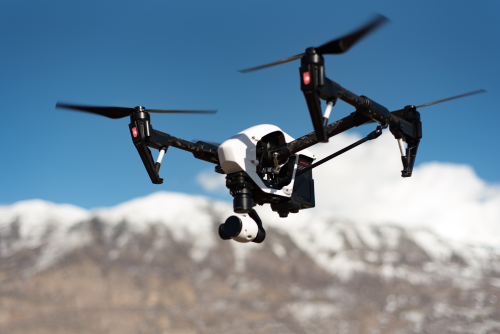
Mini drones or FPV drones? For most buyers, that question is less about size and more about what kind of flying experience you actually want. One path is easy, camera-first, and travel-friendly. The other is immersive, skill-heavy, and incredibly rewarding if you want to feel every move in the air.
The smarter choice is usually not the one that looks coolest online. It is the one that matches how often you will fly, what footage you need, how much setup you can tolerate, and whether you want a practical camera tool or a real piloting hobby.
Quick Take
If you want the short answer, here it is:
- Choose a mini drone if you want easy flying, reliable aerial photos and video, quick setup, and a lower-friction path for travel, content creation, and many light commercial jobs.
- Choose an FPV drone if you want immersive flying, dynamic movement, manual control, chase footage, and you are willing to practice, crash, repair, and learn.
- If this is your first and only drone, a mini drone is the smarter buy for most people.
- If you care more about the feeling of flying than the convenience of getting footage, FPV may be the right first path.
- If you are torn because you want “cinematic” video, remember this: smooth aerial coverage and dynamic action footage are not the same thing.
Key Points
- A mini drone is usually a lightweight, GPS-stabilized camera drone built for simplicity and smooth imaging.
- FPV means first-person view: you fly through goggles or a live immersive feed, often with more manual control and more demanding pilot input.
- Mini drones are better for:
- travel creators
- aerial photographers
- real estate and site documentation
- family and vacation footage
- buyers who want fast results
- FPV drones are better for:
- action creators
- chase filming
- pilots who enjoy skill-building
- tight, dynamic movement in controlled conditions
- buyers who do not mind maintenance
- The biggest buyer mistake is choosing based on highlight reels instead of daily use.
What “mini drone” and “FPV drone” really mean
This comparison gets confusing because the two categories overlap in online shopping, but they are built around different priorities.
Mini drone
A mini drone is usually a small, lightweight camera drone with:
- GPS stabilization
- altitude hold
- automated return-to-home
- easy hovering
- simple takeoff and landing
- a built-in stabilized camera
- app-based features like tracking, quick shots, or route assistance on some models
In plain English, a mini drone is meant to help you get usable footage with less pilot workload.
Think of it as a flying camera that also happens to be easy to pilot.
FPV drone
FPV stands for first-person view. You typically fly while seeing what the drone sees through goggles or a highly immersive live view.
FPV drones can include:
- freestyle quads for tricks and aggressive flying
- racing drones
- cinewhoops, which are usually ducted FPV drones built for smoother, safer filming in tighter areas
- ready-to-fly camera FPV systems
- custom-built quads for repairability and tuning
Many FPV pilots fly in manual mode, often called Acro mode, where the drone does not self-level the way a mini camera drone does.
In plain English, an FPV drone is usually more like a high-performance flying machine that can also capture footage.
The core difference: camera tool vs flying hobby
If you remember only one thing, make it this:
- Mini drones are usually for people who mainly want the result
- FPV drones are usually for people who also love the process
That does not mean FPV cannot be used professionally. It absolutely can. And it does not mean mini drones are boring. They are often the most useful drone a person owns.
But your satisfaction will depend on what you want to do on an ordinary Tuesday, not what you imagine doing in a perfect weekend shoot.
Side-by-side comparison
| Factor | Mini Drone | FPV Drone |
|---|---|---|
| First-time learning curve | Easier | Much steeper |
| Hover stability | Excellent | Limited in manual flying; more pilot-dependent |
| Photos | Usually much better | Usually not the main strength |
| Smooth travel footage | Excellent | Possible, but more work |
| Dynamic chase shots | Limited | Excellent |
| Setup speed | Fast | Slower, with more gear and prep |
| Flight feel | Calm, assisted | Immersive, intense, direct |
| Crash tolerance | Lower | Often better, especially repairable builds |
| DIY repairability | Often limited | Usually better on custom or modular setups |
| Indoor/tight environment filming | Limited and situational | Better with the right FPV platform in controlled conditions |
| Battery endurance | Usually better per flight | Usually shorter |
| Portability | Very strong | Can be bulky once goggles, radio, and batteries are included |
| Public perception/noise | Usually less aggressive | Often louder and more attention-grabbing |
| Ease for paid work | Better for common documentation jobs | Better for specialty cinematic work |
| Best for most beginners | Yes | Usually no |
How to choose the smarter path for the way you actually fly
Ask yourself these questions honestly.
1. Do you want to fly, or do you want footage?
This is the most important question.
Choose a mini drone if you mostly want:
- vacation footage
- landscape shots
- property overviews
- social media content
- easy aerial b-roll
- photos as well as video
Choose FPV if you mostly want:
- the sensation of flying
- speed and proximity
- dramatic movement through space
- dives, gaps, chase shots, and action lines
- a hobby that rewards practice
If your excitement comes from “I want to capture this place,” lean mini.
If your excitement comes from “I want to rip this line,” lean FPV.
2. How much friction are you willing to accept before each flight?
Mini drones usually win on convenience.
Typical mini-drone workflow:
- Power on
- Wait for system checks
- Take off
- Get the shot
- Pack up
Typical FPV workflow can involve:
- Goggles
- radio transmitter
- battery prep
- channel or link checks
- arming procedure
- choosing flight mode
- post-crash inspection if needed
- more battery swaps
If you want low-friction flying before work, during travel, or on short outings, mini drones are usually the smarter choice.
3. Are you willing to practice in a simulator?
A simulator is software that lets you practice FPV flying virtually before risking a real crash. For new FPV pilots, simulator time is not optional if they want to learn efficiently and safely.
If the idea of spending hours in a simulator sounds annoying, do not force yourself into FPV because the footage looks cool online.
Mini drones usually do not require that kind of learning investment.
4. Do you care about photos?
If still images matter at all, mini drones usually make the decision easy.
They are generally better for:
- travel photos
- real estate stills
- scenic overhead compositions
- easy social content
- quick client deliverables
FPV is primarily a motion medium. You buy it for movement, not for clean still photography.
5. Will you travel often?
Travel creators and frequent flyers usually do better with mini drones because they are:
- compact
- fast to deploy
- easier to fly in short windows
- less gear-heavy
- better for mixed photo and video trips
FPV travel is possible, but the full kit adds friction:
- drone
- goggles
- radio
- multiple batteries
- charger
- spare props
- tools
- often more careful battery management
Also remember that air travel rules for lithium batteries vary by airline and country. Always verify current airline battery limits, carry-on rules, and any destination-specific drone restrictions before packing.
6. How comfortable are you with crashes and repairs?
This is where many buyers misunderstand the tradeoff.
Mini drones are easier to fly, but often less forgiving in a crash and less enjoyable to repair yourself.
FPV drones are harder to fly, so crashes are part of the learning curve. But many FPV setups are built with repair in mind:
- replace props
- swap arms or motors
- fix wiring
- tune and test again
If you hate tinkering, FPV can become frustrating.
If you enjoy hands-on gear and learning systems, FPV can be deeply satisfying.
7. Is this for business, content, or pure fun?
For most practical business use, mini drones are the better starting point.
They fit common workflows like:
- property marketing
- tourism content
- roof and site visual documentation
- progress updates
- social content for brands
- general overhead establishing shots
FPV shines when the client specifically wants motion style that a standard camera drone cannot provide, such as:
- indoor fly-throughs
- action sports follow shots
- dramatic reveal sequences
- automotive or rider chase scenes
- high-energy brand films
If your work has no clear need for dynamic motion, mini drones usually create less operational hassle.
Buyer profiles: which type of pilot usually regrets the wrong choice?
Buy a mini drone first if you are this person
A mini drone is the smarter path if you are:
- a beginner who wants confidence quickly
- a travel creator who values portability
- an aerial photographer
- a real estate or property marketer
- a solo creator with limited setup time
- a business owner who needs reliable footage more than adrenaline
- a service provider who needs repeatable, low-drama flights
- someone buying one drone for many different uses
This buyer often regrets FPV because they underestimated:
- the learning curve
- repair demands
- battery management
- total kit size
- the difference between action footage and useful footage
Buy an FPV drone first if you are this person
An FPV drone is the smarter path if you are:
- genuinely excited by manual flight
- willing to practice before shooting
- interested in RC, sim racing, gaming, or technical hobbies
- creating action-first content
- filming bikes, cars, boards, athletes, or kinetic scenes
- comfortable learning gear, batteries, and maintenance
- okay with footage being harder-earned
This buyer often regrets a mini drone because it feels too assisted, too slow, or too limited creatively.
If you are a hybrid buyer
Some buyers want immersive flying without jumping straight into custom FPV.
This is where ready-to-fly FPV camera drones can make sense. Products in this category lower the entry barrier compared with fully manual custom FPV, but they are not a complete replacement for either category.
They can be a good fit if you want:
- more immersive flight than a mini drone
- easier entry than a custom FPV build
- dynamic video without learning every repair skill on day one
But know the tradeoff:
- they are usually less practical than a mini drone for photos and travel utility
- they are usually less flexible and repair-friendly than a traditional FPV build for serious long-term FPV progression
Total cost of ownership: what buyers underestimate
Do not compare only the drone body.
Mini drone ownership usually includes
- drone and controller
- at least one extra battery
- memory card
- spare props
- carrying case
- optional ND filters for video
- optional care or replacement plan
- possible registration or compliance costs depending on local law
FPV ownership usually includes
- drone
- goggles
- radio transmitter
- multiple batteries
- charger
- spare props
- tools
- battery storage and transport discipline
- simulator software
- repair parts
- possibly action camera gear depending on your setup
So while a mini drone may look expensive up front, FPV often grows into a broader ecosystem purchase.
That does not make FPV a bad value. It just means the “real” price is the full setup plus the time required to use it well.
Safety, legal, and compliance realities you need to know
This comparison touches real flight activity, so a buying decision should include operational risk, not just features.
A mini drone is not automatically rule-free
In some jurisdictions, lightweight drones can face fewer regulatory burdens than heavier aircraft. But “lighter” does not mean “no rules.”
Depending on where you fly, you may still need to verify:
- pilot registration
- drone registration
- remote identification requirements
- operator competency or online test rules
- airspace restrictions
- altitude limits
- national park, city park, beach, or heritage-site restrictions
- privacy and filming rules
- commercial-use requirements
- insurance expectations
Always check the aviation authority and the local land manager or venue before flying.
FPV often brings extra compliance questions
Flying through goggles can trigger additional legal requirements in many places, such as:
- keeping the aircraft within visual line of sight
- using a visual observer or spotter
- staying clear of uninvolved people
- following model aircraft or unmanned aircraft rules specific to FPV operations
Do not assume FPV flying at a location is legal just because other pilots post clips from it.
Commercial work needs more than good flying
If you are buying for client work, verify what applies in your market around:
- commercial permissions
- insurance
- site access permission
- closed-set control
- risk assessments
- client safety requirements
- industry-specific restrictions for infrastructure, energy, transport, or public events
A drone that works well technically can still be the wrong business tool if the compliance burden is too high for the jobs you actually do.
Travel brings battery and customs friction
For both categories, verify:
- airline battery rules
- carry-on requirements
- battery quantity limits
- customs declarations if required
- destination drone import restrictions
- temporary permit rules
- local enforcement attitude at tourist sites
Do not treat “small enough to pack” as “safe to travel anywhere.”
What people get wrong
1. “FPV is better because the footage looks more cinematic”
Not always. FPV is more dynamic, not automatically more cinematic for every use case.
A hotel, villa, resort, coastline, or real estate shoot may look better from a mini drone because:
- movement is smoother
- framing is easier
- hovering is stable
- shots are easier to repeat
2. “Mini drones are basically toys”
Some are beginner-friendly, but many mini drones are serious imaging tools for creators and businesses. Small size does not mean low utility.
3. “I can buy FPV and figure it out on the job”
That is a fast route to disappointment or unsafe decision-making. FPV rewards preparation. It punishes impatience.
4. “Sub-250 grams means I can fly anywhere”
No. Weight can affect regulation, but local airspace, property rules, people-risk rules, privacy laws, and specific site bans still matter.
5. “I only need the drone itself”
Wrong for both categories.
The real purchase is the system: – power – storage – accessories – spares – workflow – maintenance – legal readiness
6. “FPV and mini drones compete directly”
They overlap, but many experienced pilots eventually own both because they solve different problems.
If your budget allows only one right now, choose the platform that matches your most common use case, not your fantasy use case.
A practical decision framework
If you need a clear answer fast, use this.
Start with a mini drone if:
- you are new to drones
- you want a drone for travel
- you need photos and video
- you value convenience
- you fly alone most of the time
- you want low setup time
- you may use it for work
- you are unsure how deep into the hobby you will go
Start with FPV if:
- you already know you love the idea of manual flight
- you are happy to practice in a simulator
- you want action or chase footage
- you enjoy gear, tuning, and repair
- you accept crashes as part of learning
- your main creative goal is movement, not just coverage
- you have safe places and disciplined habits for training
For most buyers, the smartest order is this
- Buy a mini drone first
- Learn airspace, weather, battery habits, and shot planning
- Add FPV later if you still want dynamic motion and the skill challenge
That path reduces buyer regret for the widest range of users.
The exception: if you already know the flying experience itself is the point, starting with FPV can make perfect sense.
FAQ
Is a mini drone or an FPV drone better for a complete beginner?
For most complete beginners, a mini drone is better. It is easier to control, easier to get useful footage from, and less demanding operationally. FPV is better for beginners only if they are specifically motivated to learn manual flying and are willing to practice seriously.
Can a mini drone create cinematic video, or do I need FPV?
A mini drone can absolutely create cinematic video. In fact, for many travel, real estate, hospitality, and landscape shoots, it is the more practical cinematic tool. FPV is better when you want aggressive movement, proximity, and energy.
Can I use an FPV drone for professional work?
Yes, but usually for specialized work rather than general aerial coverage. FPV is strong for action, indoor fly-throughs, and brand content with dynamic movement. For everyday commercial documentation and overhead shots, a mini drone is often the more efficient business tool.
Are mini drones easier to travel with internationally?
Usually yes in terms of packing and deployment, but not automatically in terms of legality. You still need to verify destination drone rules, local flight restrictions, airline battery limits, and any permit or registration requirements before travel.
Do FPV drones always crash more?
They usually face a higher crash risk during learning because the pilot is doing more manually. That said, many FPV builds are designed to be repaired. Mini drones may crash less often, but a serious crash can be more painful and less DIY-friendly.
Should I buy a hybrid FPV camera drone instead of a mini or custom FPV?
A hybrid FPV camera drone can be a smart middle step if you want immersive flight with a lower learning barrier. But it is not a perfect substitute for a mini drone’s travel and photo utility, and it is not always the best long-term choice for serious custom FPV progression.
Which is better for real estate, tourism, and business marketing?
Usually a mini drone. It is faster to deploy, more stable, easier to repeat shots with, and better for mixed photo-video deliverables. FPV can add special shots, but it is rarely the only drone a business needs.
If I can only buy one drone this year, which should I choose?
Choose a mini drone unless your main goal is to learn immersive manual flying and create dynamic action footage. For most buyers, the mini drone has the lower regret risk and the broader day-to-day usefulness.
The decision that saves the most regret
If you want the smartest drone path for the way you actually fly, not the way you imagine flying, start by being honest about your habits.
Buy a mini drone if you want a reliable aerial camera you will use often. Buy FPV if you want piloting to become part of your identity, not just your content workflow. If you are still split down the middle, the safer bet for most people is simple: get the mini first, then earn your way into FPV when you know you want the challenge.