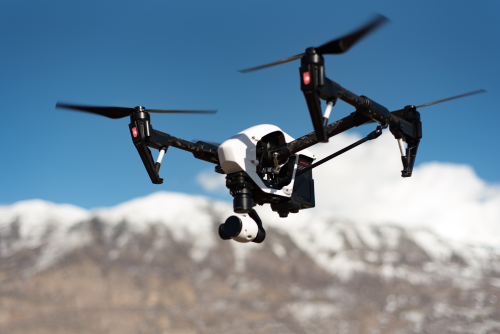
New drones or used drones? For most buyers, that is not really a budget question. It is a reliability, risk, and workflow question: how often you fly, how hard you fly, how much downtime hurts, and whether the aircraft needs to earn trust or just build skills.
The smarter drone path is the one that fits the way you actually fly, not the one that looks cheapest on listing day. If you buy with your real use case in mind, you avoid the two most common regrets: paying for capability you never use, or saving money upfront and paying for it later in batteries, repairs, missed shoots, or compliance headaches.
Quick Take
If you want the fastest answer, start here:
- Buy new if the drone will support paid work, travel regularly, or be your only aircraft.
- Buy used if you understand what to inspect, can tolerate some risk, and want more drone for the same budget.
- Buy manufacturer-refurbished if you want a middle ground: lower cost than new, but with better support and lower risk than person-to-person used.
- Used makes the most sense for hobby flying, backup aircraft, some FPV setups, and buyers moving up a tier without stretching their budget.
- New makes the most sense for beginners who want a smooth start, creators who need reliability, and commercial operators where downtime costs real money.
- The biggest hidden risks in used drones are usually:
- battery wear
- crash history
- account or activation issues
- missing accessories
- firmware or app support problems
- compliance gaps in your market
A simple rule of thumb: if a used drone only saves you a small amount versus a trusted new or refurbished option, new is usually the smarter buy. If used gets you a clear jump in camera quality, flight time, or platform class at a meaningful discount, it can be the better move.
New vs used at a glance
| Factor | New drone | Used drone | Smarter choice when this matters most |
|---|---|---|---|
| Upfront cost | Higher | Lower | Used if budget is tight and condition is verified |
| Warranty and returns | Usually better | Often limited or none | New if you want low-friction ownership |
| Reliability | More predictable | Varies by care and history | New if the drone must “just work” |
| Battery health | Fresh batteries | Can be heavily worn | New if flight time consistency matters |
| Hidden damage risk | Low | Can be significant | New if you cannot inspect properly |
| Latest features and compliance | More likely | May lag behind | New if regulations or workflows are stricter |
| Learning crash risk | Expensive lesson | Less painful financially | Used if you are likely to crash while learning |
| Resale value | Starts depreciating immediately | Depreciation already absorbed | Used if you plan to upgrade soon |
| Parts and support | Easier to source | May be limited on older models | New for long-term support confidence |
| Commercial confidence | Better for clients and teams | Depends on maintenance history | New or certified refurb for paid work |
The real question: what happens if this drone fails?
This is the filter that makes the decision easier.
If a drone failure means you miss a client shoot, lose a travel window, cancel a mapping mission, or stop a content production day, the “cheap” option can quickly become the expensive option.
If a drone failure means you go home early from a weekend park session, postpone practice, or swap to another aircraft, used becomes much easier to justify.
In other words:
- High consequence of failure = lean new
- Low consequence of failure = used becomes more attractive
That sounds simple, but many buyers ignore it. They compare feature lists and asking prices, when they should be comparing the cost of downtime.
When buying new is the smarter path
A new drone is not automatically the best value. But it is often the best fit when predictability matters more than squeezing every last dollar from the purchase.
You are a first-time buyer who wants a clean learning curve
Beginners often think used is safer because it costs less. Sometimes that is true. But many first-time buyers are not ready to diagnose:
- battery degradation
- gimbal issues
- sensor errors
- motor wear
- controller pairing problems
- missing accessories
- firmware support issues
A new drone reduces uncertainty. That matters when you are still learning basic setup, flight discipline, app behavior, storage routines, and local rule compliance.
If your first drone feels unreliable, you may blame yourself for problems that are actually hardware related.
You create client-facing content or paid deliverables
If you shoot real estate, tourism content, social media campaigns, inspections, events, or branded work, reliability is not optional.
Buy new if you need:
- dependable batteries
- stable camera performance
- consistent obstacle sensing or return-to-home behavior
- strong post-sale support
- easier documentation for internal asset tracking or insurance
Commercial operators can absolutely use used aircraft, but the bar should be higher. A drone used for paid work should have a documented history, healthy batteries, and a support path if something fails.
You travel often
Travel flying adds friction even before takeoff. You are already managing:
- airline battery rules
- destination-specific drone restrictions
- registration or operator requirements in some countries
- local park, venue, or municipal limitations
- customs questions about gear ownership and declared value
A used drone can still work well for travel, but older batteries, unclear provenance, damaged cases, or account issues are the last things you want to deal with before a trip.
If travel is central to your flying, new or manufacturer-refurbished is often the calmer choice.
You need current features or compliance confidence
Some buyers need the latest features for workflow or regulatory reasons, not vanity.
That might include:
- better low-light image quality
- improved obstacle sensing
- more efficient codecs or camera profiles
- stronger transmission stability
- updated positioning and return-to-home behavior
- current regional labeling or identification requirements
Rules differ by country and region, and older aircraft may still be legal in many places. But because some markets now care more about aircraft class, remote identification, or platform capabilities, you should verify whether an older used drone still fits your operational needs before you buy.
You want long ownership with minimal friction
If you plan to keep one drone for years, the extra stability of buying new often makes sense. You get a clean baseline:
- known battery age
- known flight history
- full accessory inventory
- current firmware support
- easier resale story later
That matters more than a short-term saving.
When buying used is the smarter path
Used drones are not “second best.” In the right scenario, they are the smartest purchase in the market.
You want more capability without jumping budget tiers
This is the strongest case for used.
Instead of buying a new entry-level drone, you may be able to buy a recent used mid-tier drone with:
- better camera quality
- stronger wind performance
- longer real-world flight time
- more intelligent flight features
- better controller or screen setup
- a more complete accessory bundle
For buyers who already know what they need, used can be the path that makes the right class of drone affordable.
You are buying a backup aircraft
A backup drone does not always need to be factory fresh. In fact, buying new for a backup can be wasteful if the aircraft may fly only occasionally.
Used makes sense when the drone is there to:
- cover downtime on your main platform
- provide a second angle on low-risk shoots
- support training
- act as a spare for travel
- keep a team moving if one aircraft is grounded
The key is compatibility. A backup is most valuable when batteries, chargers, controllers, media, and workflow match your main platform as closely as possible.
You are learning FPV or crash-prone flying
FPV, freestyle, and some fast cinematic learning environments are different from camera-drone buying.
For many FPV pilots, used airframes or components can be completely sensible because:
- crashes are part of the learning process
- repair and replacement are expected
- pilots often build, tune, or swap parts themselves
- cosmetic condition matters less than electrical and structural integrity
That said, used batteries for FPV deserve extra caution. Lithium polymer batteries, often called LiPos, are consumable items. Old, swollen, poorly stored, or abused packs can perform badly or become unsafe. Many FPV buyers wisely buy the drone used but the batteries new.
You know how to inspect and test properly
Used buyers win when they have process.
If you can evaluate:
- physical damage
- battery cycle count and health
- motor smoothness
- gimbal stability
- camera output
- controller function
- app pairing
- firmware status
- proof of ownership
then used becomes much safer.
The used market often rewards disciplined buyers and punishes impulsive ones.
You plan to upgrade again relatively soon
If you tend to move through gear quickly, a good used purchase reduces depreciation pain.
New drones often take the biggest value hit early. A smart used buy can give you:
- lower entry cost
- less loss on resale
- better flexibility to pivot when your needs change
That is especially useful for creators still discovering whether they prioritize portability, image quality, FPV, mapping, or a specific commercial niche.
The smarter path depends on what kind of drone you fly
Not every category behaves the same way.
Camera drones for hobby, travel, and content creation
Used can be a very good option here if the drone is recent, well cared for, and fully testable.
Good used candidates usually have:
- stable gimbal performance
- clean camera output
- healthy batteries
- no obvious crash repairs
- current app compatibility
- complete controller and charger setup
New is better when you want low-friction travel, dependable operation, or are uncomfortable judging condition.
FPV drones
Used can be excellent value, but only if you understand the build or trust the builder.
Inspect carefully for:
- cracked frames
- poor solder joints
- damaged motors
- burnt electronics
- bent props or shafts
- questionable battery condition
- receiver and video system compatibility
For FPV, it is often normal to mix buying paths: – used frame or bind-and-fly quad – new batteries – new props – maybe new goggles or radio if you need long-term reliability
Enterprise, mapping, and inspection platforms
This is where new usually wins.
For businesses and teams, the drone is rarely the only cost. You also need:
- operator time
- planning
- software workflow
- maintenance records
- sensor reliability
- calibration confidence
- team training
- client trust
A used enterprise drone can make sense if it comes from a documented fleet, reputable dealer, or certified refurbishment channel. But a vague history is a major risk in this category.
If the aircraft supports surveying, thermal work, infrastructure inspection, or higher-value commercial jobs, new or certified refurb is usually the smarter path.
How to decide based on the way you actually fly
Use this seven-step decision framework before you shop.
1. How often will you fly?
- Occasional weekends: used is often fine
- Weekly creator work: lean new or recent refurb
- Daily business use: new is usually safest
2. What is the cost of downtime?
Ask yourself:
- Can you miss a shoot?
- Can you delay a deliverable?
- Do you have another aircraft?
- Would a repair stop income?
If downtime hurts, buy for reliability, not just savings.
3. How crash-prone is your flying?
Be honest.
- Slow, careful aerial photography: used can be sensible
- Learning manual FPV: used can be very sensible
- Tight spaces, dynamic shots, frequent travel launches: prioritize reliability and repairability
4. Do you need the latest camera or automation features?
If your work depends on:
- better dynamic range
- improved low-light capture
- more stable tracking
- smarter obstacle avoidance
- stronger transmission
- better vertical content options
then new may save frustration.
If your output is mostly daytime social content, casual flying, or practice, used may be plenty.
5. Do you understand battery risk?
A used drone with tired batteries is not a bargain.
If you need long, predictable flights, or if battery replacement is expensive or hard to source in your region, new becomes more appealing.
6. Can you inspect or test before buying?
If the answer is no, your safe options narrow to:
- new
- manufacturer-refurbished
- reputable dealer used
- highly documented seller with clear proof and test footage
Blind used buying is where most regrets start.
7. Are you buying a drone or a system?
Most buyers underestimate the system cost. You may also need:
- extra batteries
- charger or hub
- ND filters
- case
- spare props
- memory cards
- landing pad
- safety gear
- maintenance items
- travel organization
A used bundle can be great value, but only if the accessories are actually useful and in good condition.
A practical used-drone inspection checklist
If you buy used, inspect in a sequence. Do not jump straight to “it powers on, so it is fine.”
1. Verify the seller and ownership story
Ask:
- How long have they owned it?
- Why are they selling?
- Was it purchased new by them?
- Do they have proof of purchase?
- Is the serial number visible and consistent?
- Is it free of account lock, activation issues, or fleet restrictions?
A vague story is not an automatic deal-breaker, but it should lower your trust.
2. Check the airframe closely
Look for:
- cracks in arms or frame
- stress marks near folds or hinges
- stripped screws
- repaired plastic
- uneven panel gaps
- bent landing gear
- water or corrosion signs
Cosmetic scuffs are normal. Structural repairs deserve much more scrutiny.
3. Inspect the gimbal and camera
Make sure the gimbal, meaning the stabilized camera mount, is:
- physically straight
- not vibrating at startup
- moving smoothly
- holding level
- producing stable footage
- free of horizon tilt or shake
Record a short clip and inspect it carefully.
4. Test motors and prop mounts
Check that motors:
- spin freely
- feel consistent
- do not grind or click
- do not wobble
- sit securely
Also inspect props and mounts for chips, looseness, and uneven wear.
5. Evaluate battery health
This is one of the most important checks.
Ask about:
- battery age
- charge cycle count if available
- storage habits
- swelling
- overheating history
- whether all batteries behave similarly
If the batteries are old, badly stored, or inconsistent, price the deal as if you may need replacements soon.
6. Check controller, app, and connectivity
Confirm:
- controller buttons and sticks work normally
- charging is normal
- the aircraft and controller bind correctly
- video transmission is stable
- the required app is still supported on your device
A drone with shaky app support can become frustrating fast.
7. Do a safe test flight where legal and appropriate
If local rules and the environment allow it, test:
- takeoff and hover stability
- GPS or positioning lock
- return-to-home behavior
- gimbal stabilization
- obstacle sensing if equipped
- normal braking and control response
Do not skip the hover test. Many issues appear there first.
8. Confirm what is actually included
A “great deal” often shrinks when you realize it lacks:
- usable batteries
- correct charger
- proper controller
- battery hub
- prop spares
- cables
- storage case
- ND filters or other items you expected
Always price the complete system, not just the aircraft body.
The hidden cost that makes many used deals look better than they are
Used drone buyers often focus on sticker price and ignore the refresh cost.
A used bundle can need:
- one or more new batteries
- fresh props
- new storage media
- new carrying solution
- controller repair
- replacement charger
- gimbal service
- app-compatible device changes
That is why the “smarter path” is not just about the purchase number.
A good test is this:
- Compare the used package with a realistic new or refurbished equivalent.
- Add the cost of replacing any questionable batteries and missing essentials.
- Add a repair reserve in your head.
- Ask whether the remaining savings still feel meaningful.
If the savings disappear once you account for battery replacement and one minor repair, the used deal is probably not strong enough.
Safety, legal, and compliance risks to check before you buy
Wherever you fly, verify the rules that apply to your aircraft, your purpose, and your location before you operate.
A used drone can introduce compliance problems that a new buyer does not always think about.
Check these before purchase
- Registration eligibility: Some countries require drone or operator registration based on weight, use, or capability.
- Remote or electronic identification: Certain jurisdictions require it for some flights or aircraft categories. Older drones may not meet those requirements.
- Commercial operations: Paid work may trigger different rules, pilot requirements, or insurance expectations than recreational use.
- Serial number documentation: Make sure the aircraft identity is clear and unaltered.
- Local radio or market compatibility: If the drone came from another market, verify it is legal and supported where you live.
- Geofencing, unlocking, or fleet account status: Confirm the aircraft is not tied to a previous owner or organization in a way that limits use.
- Battery transport rules: Airlines and some transport providers have strict requirements for lithium batteries.
- Insurance compatibility: Some insurers or enterprise policies may care about aircraft records, condition, and maintenance history.
Also remember that buying the drone legally does not mean every place is legal to fly. Always verify local aviation, park, venue, privacy, and land-use restrictions before launch.
Common mistakes people make when choosing new vs used
Buying based on price instead of mission
A cheaper drone that cannot handle your wind conditions, image needs, or workflow is not a deal. It is a delay.
Underestimating battery wear
Many used listings look attractive because they include “multiple batteries.” That only helps if those batteries are healthy.
Overbuying capability
Some buyers chase premium features they do not need. If you mostly fly in daylight for casual travel clips, you may not need a top-tier platform.
Underbuying reliability
The opposite mistake is common too. People buy the cheapest aircraft possible, then expect it to support paid work, long travel days, or demanding shoots.
Ignoring support and parts
An older bargain drone is risky if batteries, props, chargers, or repair support are hard to find in your region.
Forgetting the exit plan
Think about resale before you buy. A popular, recent platform in good condition is easier to resell than an obscure or aging one.
So which option fits which buyer?
Here is the practical answer.
Buy new if you are:
- a first-time drone owner who wants simplicity
- a creator who travels often
- a solo operator doing paid work
- a team buying for repeatable business use
- a buyer in a stricter compliance environment
- someone who keeps gear for years and values low-friction ownership
Buy used if you are:
- a hobbyist who wants maximum value
- an experienced pilot who knows how to inspect gear
- a buyer who wants to move up a class without overspending
- an FPV learner or freestyle pilot
- someone buying a backup drone
- a short-cycle upgrader who plans to resell later
Buy manufacturer-refurbished if you are:
- cautious about person-to-person used
- price-sensitive but warranty-minded
- buying for light commercial work
- comfortable with a previous-life unit if it is properly checked and supported
FAQ
Is a used drone a good first drone?
It can be, but only if the condition is easy to verify and the setup is complete. For most beginners, new or manufacturer-refurbished is the safer start because it reduces troubleshooting and hidden-risk frustration.
Are refurbished drones better than used drones?
Often, yes. Refurbished units usually sit in the middle: cheaper than new, but with more confidence, testing, and sometimes warranty support than a private used sale.
How old is too old for a used drone?
Age matters less than support, battery condition, and intended use. A well-kept recent model can be a smart buy. A much older platform with poor battery availability or fading app support can become a false economy quickly.
Can I use a used drone for commercial work?
Yes, in many cases, but only if it is reliable, documented, and compliant where you operate. For paid work, you should be stricter about maintenance history, battery health, serial documentation, and any rule or insurance requirements that apply to your operation.
What matters more: flight hours or age?
Neither alone tells the full story. A lightly flown drone that was stored badly can be worse than a regularly flown drone that was maintained carefully. Look at total condition, battery health, crash history, and proof of normal function.
Should I buy the drone used but the batteries new?
That is often a smart move, especially in FPV and older platforms. Batteries are wear items, and fresh batteries can remove one of the biggest unknowns in a used purchase.
Is it safer to buy used from a dealer than from an individual seller?
Usually, yes. Dealer-used or certified-used options often cost more, but they may reduce risk through inspection, return policies, or limited support. That extra confidence can be worth it if you cannot test deeply yourself.
What should I verify before traveling internationally with a used drone?
Verify destination drone rules, battery transport limits, proof of ownership, and whether your aircraft meets any local registration, identification, or class-related requirements. Also confirm your batteries are in good condition and packed according to airline rules.
Final decision
If your drone needs to make money, survive travel, or work on demand, buy new or buy refurbished from a trusted source. If your flying is experimental, skill-building, budget-sensitive, or backed by your own inspection ability, used can be the smarter path.
Before you buy, write down your real use case in one sentence: “I need this drone for…” If that sentence includes clients, travel, deadlines, or zero room for failure, pay for predictability. If it includes learning, experimenting, or stretching into a better class of aircraft, a well-chosen used drone may be the smartest buy on the market.