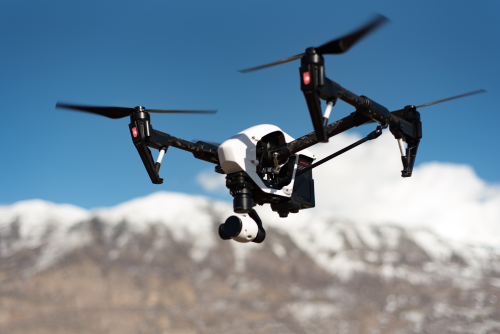
Most drone pilots do not need the biggest or most expensive filter kit. The best ND filters for drone pilots who want fewer problems in the field are usually the simplest ones: lightweight, model-specific filters that mount securely, keep color consistent, and let you swap fast without fighting the gimbal. If you mainly shoot daylight video, a fixed-ND set with ND16, ND32, and ND64 is the safest place to start.
Quick Take
If you want the short answer, here it is:
- The best all-around choice for most drone pilots is a lightweight fixed-ND set made for your exact drone model by a proven drone-filter brand such as Freewell, PolarPro, PGYTECH, or the aircraft maker’s own filter set when one is available.
- The best starter strengths for daylight video are usually:
- ND16
- ND32
- ND64
- Add ND8 if you often fly in cloudy conditions, during golden hour, or in softer winter light.
- If you care about fewer field problems, prioritize:
- exact fit
- low weight
- neutral color
- easy-to-read labels
- a good protective case
- For fast commercial work, magnetic or quick-swap systems can be excellent, but only if you have already tested that they stay secure and do not cause gimbal startup issues.
- ND/PL filters can be useful, but they are not the easiest default choice. A polarizer changes reflections and sky contrast depending on the sun angle, which can make drone shots inconsistent during turns and pans.
- Skip giant bargain kits unless you know you need every strength. A smaller, better-made set usually causes less regret.
What an ND filter actually does
An ND filter, or neutral density filter, reduces the amount of light entering the camera. Think of it like sunglasses for your drone camera.
Why that matters:
- In bright daylight, drone cameras often need very fast shutter speeds.
- Fast shutters can make video look harsh, stuttery, or overly crisp.
- Many pilots use ND filters to keep shutter speed closer to the usual cinematic rule of thumb: about double your frame rate.
- Example:
- 24 fps video often aims around 1/48 or 1/50
- 30 fps video often aims around 1/60
That is the creative reason.
The practical reason is just as important: a good ND filter lets you get repeatable results without constantly fighting exposure settings in the field.
But ND filters are not automatically better for every mission. For mapping, inspection, or sharp still-photo documentation, a faster shutter is often helpful, not harmful. That is why the “best” ND filter is not just about glass quality. It is about workflow fit.
What makes an ND filter “best” in real-world drone use
The best drone ND filters reduce friction, not just light.
| What to look for | Why it matters in the field |
|---|---|
| Exact model compatibility | Prevents loose fit, poor balance, and gimbal startup problems |
| Low weight and slim frame | Small drone gimbals do not tolerate heavy accessories well |
| Neutral color rendering | Saves time in editing and keeps footage consistent across flights |
| Good coatings | Helps resist fingerprints, haze, flare, and water spots |
| Clear markings | Makes swaps faster when light changes quickly |
| Practical strength selection | Reduces hesitation and bad filter choices on site |
| Protective case | Prevents lost or scratched filters in bags, cars, and travel kits |
| Consistent quality control | Important for commercial operators and teams standardizing gear |
If a filter is sharp but fiddly, heavy, or inconsistent, it will still cause problems. On drones, ease of use matters more than many buyers expect.
The best ND filter setups by pilot type
Best overall: a fixed-ND set from a proven drone-specific brand
For most pilots, the safest recommendation is a fixed-ND set designed specifically for the drone they own.
Established names in this space include:
- Freewell
- PolarPro
- PGYTECH
- the drone manufacturer’s own filter kits, where offered
Why this setup wins for most people:
- fixed NDs are simple
- they are predictable
- they are easy to repeat from flight to flight
- they are less likely to introduce odd behavior than more complex filter systems
A strong starter kit is usually:
- ND16
- ND32
- ND64
Who this fits:
- hobbyists shooting cinematic video
- travel creators
- real estate shooters
- social content creators
- most solo operators using compact camera drones
Why it causes fewer problems:
- fewer choices
- easier exposure decisions
- less weight than some multi-function systems
- less chance of polarizer-related inconsistency
Best for beginners and travel creators: a compact 3-filter kit, not a giant bundle
Beginners often overbuy. They pick a huge set because it looks versatile, then end up carrying filters they never use.
For travel and casual field work, a compact kit is better.
Look for:
- 3 or 4 fixed NDs
- hard case or secure magnetic case
- large labels you can read quickly
- light frames built for small gimbals
- coatings that are easy to clean after sea spray, dust, or fingerprints
A good beginner travel setup is often:
- ND8
- ND16
- ND32
Or, for stronger daylight use:
- ND16
- ND32
- ND64
This works especially well for people flying compact drones in cities, on trips, or at scenic locations where time is limited and you do not want to manage too much gear.
Best for fast commercial workflows: quick-swap or magnetic systems
If you shoot multiple locations in one day, time matters.
That is where magnetic or fast-swap systems can make sense. They are useful for:
- production crews
- real estate operators
- tourism content teams
- agencies running repeated sorties
- operators who need to adapt quickly as clouds move in and out
Their main advantage is obvious: faster changes.
Their main risk is also obvious: any accessory that mounts fast still has to mount securely.
Before trusting a magnetic or quick-swap system on a paid job:
- Install it at home, not on the first mission.
- Power on the drone and confirm the gimbal initializes normally.
- Check for any rubbing, imbalance, or startup warnings.
- Do a short test flight in safe conditions.
- Review footage for vibration, softness, or strange flare.
If it passes those tests, a quick-swap system can be one of the best upgrades for reducing field stress.
Best for mixed photo and video shooters: fixed ND first, polarizing option second
A lot of pilots are tempted by ND/PL filters. That means a neutral density filter combined with a circular polarizer.
The appeal is real:
- less light
- reduced reflections
- richer-looking skies or water
- sometimes better-looking landscape footage
The problem is that polarizers depend on angle. On a drone, the camera orientation changes constantly as you yaw, pan, or reframe.
That can create:
- uneven skies
- changing reflections during turns
- inconsistent shots across a sequence
So for mixed photo and video work, the lower-risk path is:
- buy fixed ND first
- add one polarizing option later if you know when to use it
If you shoot mostly travel landscapes over water, glass buildings, or foliage, ND/PL can be valuable. If you want fewer surprises, plain fixed NDs are easier.
Best budget choice: fewer filters from a reputable brand
The cheapest path is not always the least expensive in the long run.
A low-cost 6-pack that gives you:
- poor fit
- color cast
- smeary coatings
- confusing labels
- inconsistent glass
can cost more in reshoots, wasted time, and unusable footage than a smaller quality set.
If your budget is tight, do this instead:
- buy for your exact drone model
- choose a reputable brand
- start with 2 or 3 strengths you will actually use
- skip specialty filters until your workflow justifies them
That often means buying one better set instead of two disappointing ones.
Best for teams and repeatable output: standardize one system
For businesses, agencies, or multi-pilot teams, the best ND filter is often the one that creates the least confusion across aircraft.
Standardizing one filter family across your fleet helps with:
- replacement ordering
- matching footage
- training newer pilots
- faster packing and prep
- predictable color in editing
If your team flies different drone models, standardize at least by brand logic and filter naming, even if physical compatibility differs.
The less mental overhead you create in the field, the better.
Which ND strengths you actually need
The right strength depends on:
- your frame rate
- the drone’s aperture
- the drone’s minimum ISO
- available light
- whether you are shooting video or stills
But as a practical buying guide, this is a good starting point:
| Filter | Best used for | Notes |
|---|---|---|
| ND8 | Cloudy daylight, early morning, late afternoon | Very useful for softer light and travel shooting |
| ND16 | Bright but not harsh daylight | A common everyday choice |
| ND32 | Sunny daylight video | Often one of the most useful drone filters |
| ND64 | Harsh midday sun, beach, snow, reflective water | Great when light is intense |
| ND128 | Very bright conditions or niche creative use | Not a first purchase for most pilots |
If you are unsure, ND32 is often the “most likely to be useful” daylight video filter in many sunny conditions, while ND16 and ND64 cover either side of it.
The best no-regret starter kit
If you want the simplest buying recommendation with the least chance of regret, start here:
For most video pilots
- ND16
- ND32
- ND64
For softer-light shooters and travelers
- ND8
- ND16
- ND32
For people who shoot in harsh midday conditions often
- ND16
- ND32
- ND64
- optional ND128 later
That covers most real-world daylight use without drowning you in choices.
When not to use an ND filter
This is where many pilots get it wrong.
An ND filter is not a universal upgrade. Sometimes the best ND filter is no filter at all.
You often do not want ND for:
- mapping and photogrammetry
- inspection work where maximum detail matters
- evidentiary or documentation capture
- windy low-light conditions
- fast action where motion blur hurts clarity
- any mission where the priority is sharp still imagery rather than cinematic motion
For these workflows, a faster shutter is often the right choice.
If your goal is data, detail, or forensic clarity, ND can work against you.
How to choose the right ND filters without wasting money
1. Start with your exact drone model
Do not buy “close enough” filters.
Even similar-looking drones can have different:
- gimbal tolerances
- lens mounts
- frame clearance
- weight limits
That matters. Small differences can cause major headaches.
2. Decide whether you are buying for video, photo, or operations
Ask yourself what you actually do most often:
- cinematic video
- travel reels
- real estate clips
- social content
- inspections
- mapping
- FPV scenic flying
If it is mostly video, ND makes sense.
If it is mostly mapping or inspections, ND may not be a priority purchase.
3. Buy the smallest useful set first
A smaller set does three things:
- lowers cost
- speeds up learning
- reduces bad choices on location
For most people, three filters are enough to start.
4. Prioritize fit and consistency over feature overload
A practical filter is better than a clever one that creates delays.
Look for:
- secure mount
- slim frame
- easy cleaning
- legible markings
- reliable case
- low reports of color shift or vignetting
5. Treat ND/PL and variable ND as specialist choices
Fixed ND is the easiest default.
Use extra caution with:
- ND/PL if you do not understand polarizer behavior
- variable ND on compact drones, where size, balance, and image artifacts can become issues
For small gimbal cameras, simplicity usually wins.
6. Think about your field kit, not just the filter
Good filters are easier to live with when you also have:
- a small hard case
- a clean microfiber cloth
- a labeled pocket or pouch
- a habit for storing “used” vs “clean” filters
- one duplicate of your most-used filter for paid work
That last point matters more than many pilots expect. Losing or scratching your favorite ND32 on a shoot day is annoying. Having a backup turns it into a non-event.
Common mistakes that cause field problems
Buying a giant set before learning your light
Most pilots use the same 2 or 3 filters most of the time. Huge kits look complete, but they often create clutter instead of capability.
Using ND for still photos by default
For many aerial photos, especially handheld-style travel shots from a hovering drone, ND is unnecessary. You usually want sharpness and flexibility, not extra motion blur.
Choosing ND/PL as the “better” option every time
A polarizer is not automatically better. It is more situational.
Ignoring filter weight
A great lens accessory on a handheld camera can be a bad accessory on a tiny drone gimbal. Weight and balance matter.
Mounting a filter and launching immediately
Always check that the gimbal starts normally before takeoff. A few seconds on the ground can save a failed flight.
Expecting ND to fix bad light
ND controls exposure. It does not fix flat light, haze, poor composition, or rough piloting.
Using too much ND
If you go too dark, you may push the camera into settings you do not want, or make exposure management harder than necessary.
Mixing brands and glass characteristics randomly on team jobs
This is a subtle issue, but it matters. Different filters can render color slightly differently. For solo hobby use, that may be fine. For client work, standardization saves time in post.
Safety, legal, and operational notes
ND filters are accessories, not permissions.
Keep these realities in mind:
- A filter does not change your responsibility to follow local drone laws, park rules, privacy expectations, venue restrictions, or visual line-of-sight requirements.
- If you travel internationally, verify local flight rules, protected-area restrictions, and any operator requirements before flying. Filter ownership itself is usually not the issue; flight permission often is.
- Use only filters made for your exact aircraft and camera.
- After installing a filter, confirm the gimbal initializes and moves freely before takeoff.
- Do not swap filters carelessly in blowing sand, dust, or salt spray if you can avoid it. Dirty filters and dirty lens mounts create avoidable problems.
- For commercial operations, test any new filter system before the job day. Do not debut it on a live client mission.
- In reflective environments such as snow, water, or glass-heavy urban areas, exposure may improve with ND, but pilot visibility, glare, and situational awareness still require extra care.
If there is any doubt about airspace, local permission, or operating conditions, verify with the relevant authority or site manager before flying.
FAQ
Do beginners really need ND filters?
Not always. If you mostly shoot photos, learn to fly, or capture casual clips in mixed light, you can wait. If you want smoother-looking daylight video, ND filters become much more useful.
What ND filters should I buy first for a drone?
For most daylight video shooters, start with ND16, ND32, and ND64. If you fly often in cloudy or softer light, swap ND64 for ND8 or add ND8 later.
Are ND/PL filters better than normal ND filters?
Not automatically. ND/PL filters can reduce reflections and deepen skies, but they are more angle-dependent and can be less predictable on a drone. Fixed NDs are the safer all-purpose choice.
Should I use ND filters for aerial photos?
Usually not for routine photos. ND filters are mostly a video tool. They can help for specific creative long-exposure work, but for general stills you often want the cleanest, sharpest, fastest capture possible.
Can an ND filter damage or overload my drone gimbal?
A well-made filter for the correct model should not. A poorly fitted or overly heavy filter can cause startup errors, poor balance, or unstable performance. Always test on the ground before flying.
Are premium ND filters worth it?
Often, yes, if you care about reliability, color consistency, and fast field handling. The upgrade is less about prestige and more about fewer fit issues, better coatings, and more predictable results.
Do FPV pilots need ND filters too?
Sometimes. Cinematic FPV pilots often use ND to smooth motion in bright daylight. But if your priority is aggressive maneuvering, clarity, or lower-light safety, ND may be less important than exposure flexibility and flight control.
Can I travel with ND filters internationally?
Usually yes, but the bigger issue is not the filter. It is the drone operation itself. Check local flight laws, protected locations, permits, and airline battery rules before the trip.
The decision that causes the fewest regrets
If you want fewer problems in the field, do not chase the biggest filter kit or the fanciest feature list. Buy a lightweight fixed-ND set for your exact drone model, start with ND16, ND32, and ND64, and only add polarizers or quick-swap systems once your workflow proves you need them. The best ND filter is the one that disappears into your process and lets you fly, expose, and deliver without drama.