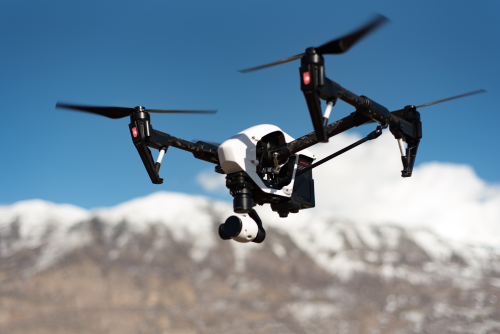
Loose, scratched, or bent propellers rarely feel like a big deal until they cost you a flight, a shot, or a job on location. The best prop storage solutions for drone pilots who want fewer problems in the field are not the fanciest ones. They are the systems that protect blade shape, keep spare sets organized, and make the right prop easy to grab under pressure.
Quick Take
If you want the short version, this is it:
- For most folding camera drones, the best setup is a low-pressure, model-specific prop holder on the aircraft plus a separate sleeve or pouch for spare prop sets.
- For frequent travel, client work, or rough transport, a semi-rigid or hard case with proper prop clearance is the safest upgrade.
- For FPV pilots, the best option is usually a divided organizer box or labeled bags that keep full prop sets together by size, pitch, and rotation.
- For enterprise teams and service providers, the winning system is less about one accessory and more about workflow: protected aircraft storage, labeled spare sets, and a separate quarantine pouch for damaged props.
- The wrong storage solution creates the same problems again and again: bent blades, chipped edges, mixed-up spare sets, slow field swaps, and “good enough” decisions when you should really replace a prop.
The big mistake is thinking prop storage is only about neat packing. It is really about reliability, preflight discipline, and avoiding preventable downtime.
At-a-glance comparison
| Storage solution | Best for | Protection level | Setup speed | Main tradeoff |
|---|---|---|---|---|
| Model-specific prop holder | Folding camera drones, day trips, light travel | Medium | High | Can bend blades if too tight |
| Semi-rigid or hard case with prop clearance | Travel creators, client work, vehicle kits | High | Medium | Bulkier and more expensive |
| Individual sleeves for spare props | Hobbyists, photographers, travelers carrying 1 to 3 spare sets | Medium | Medium | Not crush-proof on their own |
| Divided organizer box | FPV pilots, multi-drone kits, frequent prop changes | High | High | Takes more bag space |
| Labeled zip pouches | Commercial crews, rental fleets, training ops | Low to medium | High | Needs another outer case for real protection |
| Rigid tube or flat folder | Larger drones, long blades, carbon-fiber props | High | Medium | Overkill for small drones |
Why prop storage matters more than most pilots think
Props are cheap compared with a drone, but they are still flight-critical parts. A bad storage habit creates problems that often show up later, not while you are packing.
Here is what poor prop storage commonly causes:
- Edge damage: Blade tips and leading edges get nicked by keys, screws, tools, or battery corners.
- Blade deformation: Tight straps, crushed cases, or long-term pressure can leave blades sitting in a shape they were not meant to hold.
- Mixed sets: New and used props get mixed together, or the wrong rotation direction ends up in the field kit.
- Contamination: Sand, salt, dirt, and moisture stay trapped in pouches and cases.
- Slow repairs: You lose time identifying the right replacement when you should be flying.
- Bad decisions under pressure: When spares are disorganized, pilots are more likely to “just send it” with a suspect prop.
That matters whether you are flying a tiny camera drone on holiday, a 5-inch FPV quad at a race, or an inspection aircraft on a paying job. Good prop storage is not glamorous, but it directly reduces avoidable field problems.
What the best prop storage solution must actually do
A storage system is only “best” if it fits the way you fly. The right answer for a folding travel drone is often the wrong answer for FPV or a larger commercial aircraft.
No matter what you fly, a strong solution should do five things well.
1. Protect the blade edges
Most field damage starts with contact, not impact. A prop tossed into a backpack pocket can rub against chargers, screws, filters, or metal tools long before you notice visible damage.
Look for storage that keeps blade edges from scraping hard surfaces.
2. Avoid long-term blade preload
Props should not live under strong tension. A holder or case that forces blades into a sharp curve may look tidy but can create its own problem.
This is why soft, low-pressure retention usually beats tight compression.
3. Keep full sets together
A “full set” should mean whatever your aircraft needs for a proper replacement. For many camera drones, that means a complete set of matching replacements. For FPV, it often means matching diameter, pitch, hub fit, and rotation orientation all stored together.
If your system cannot keep complete sets together, it is not efficient enough for field work.
4. Separate fresh, used, and damaged props
This is where many pilots go wrong. A good storage system needs three states:
- Ready to use
- Used but still being evaluated
- Damaged or retired
Without that separation, worn parts drift back into service.
5. Be fast enough that you will use it every time
The most protective case in the world is not helpful if it slows you down so much that you stop using it. Speed matters, especially in wind, cold, low light, travel transitions, and client environments.
The best storage solution is usually the one that becomes part of your default routine.
The best prop storage solutions by use case
1. Model-specific prop holders for folding camera drones
For many small folding drones, this is the best first upgrade.
A prop holder wraps or braces the folded aircraft so the installed props stay controlled during transport. Done well, it prevents blades from flopping around, catching on zippers, or rubbing against the body in your bag.
Best for
- DJI Mini, Air, Mavic-class drones and similar folding camera drones
- Hobbyists and creators who want fast setup
- Pilots carrying the drone in a sling, backpack, or compact shoulder bag
Why it works
- Keeps installed props organized on the aircraft
- Speeds up packing and unpacking
- Reduces snagging and cosmetic wear
- Takes almost no extra space
What to look for
- Soft material with smooth contact points
- Enough hold to prevent flopping, not enough to force a deep bend
- No pressure on the gimbal or camera area
- Compatibility with the way your drone folds
- Easy removal with cold hands or gloves
Main drawback
A bad prop holder is worse than no prop holder. Cheap retainers often cinch too tightly or press blades into awkward angles. If you see clear bending or hear props creaking when secured, that is the wrong accessory.
Best use pattern
Use a model-specific prop holder for the aircraft itself, then carry spare props separately in sleeves or a small pouch. That combination works for a huge percentage of recreational and creator setups.
2. Semi-rigid or hard cases with proper prop clearance
If your drone gets tossed into a car, packed for a flight, or taken on paying jobs, this is often the smartest long-term choice.
A good case should protect the whole aircraft and avoid placing pressure on the props when closed. That last part matters more than people think. Some cases look precise but actually squeeze blade tips once you add filters, covers, or third-party accessories.
Best for
- Travel creators
- Aerial photographers
- Inspectors and surveyors
- Anyone moving between locations with expensive gear
Why it works
- Better crush protection than soft bags
- More consistent organization
- Easier to keep props, batteries, and tools separated
- Better for vehicle trunks, airports, and stacked gear
What to look for
- Enough internal height that the lid does not press on blades
- Foam or molded layout that supports the drone body, not the prop tips
- Space for spare prop sets in separate compartments
- Weather resistance if you work in wet or dusty conditions
- A layout that still works after you add common accessories
Main drawback
Bulk. Hard cases protect better, but they are not always the fastest or smallest option. They also tempt some buyers into thinking “hard case” automatically means “good prop protection.” It does not. A poor interior layout can still distort blades.
Best use pattern
This is the best all-around option for serious travel and commercial work, especially when combined with labeled spare storage inside the case.
3. Individual prop sleeves or wraps for spare sets
Sleeves are simple, cheap, and underrated. For many pilots, they solve the most common spare-prop problem: carrying loose replacements that rub against everything else in the bag.
A sleeve can be fabric, padded synthetic material, or a simple wrap that keeps each set isolated.
Best for
- Pilots carrying one to three spare sets
- Travel users who want compact organization
- Camera drone owners who rarely change props but want clean backups
Why it works
- Keeps spare props from scratching each other
- Makes it easier to label full sets
- Helps separate fresh props from partly used ones
- Fits inside almost any bag or case
What to look for
- One sleeve per full set, not a mixed pile
- A label area or simple color coding
- Smooth interior with no abrasive seams
- Enough size that the blades are not curled to fit
Main drawback
Sleeves do not provide real crush resistance by themselves. If they sit under a battery block or charger brick in a bag, the props can still get loaded or bent.
Best use pattern
Use sleeves inside a semi-rigid bag or hard case, not loose at the bottom of a backpack.
4. Divided organizer boxes for FPV pilots and multi-drone kits
For FPV, the storage problem is different. You are more likely to carry multiple prop types, swap them often, and care about size, pitch, hub fit, and rotation. A proper divided box saves real time.
Best for
- FPV freestyle pilots
- Racers
- Cinewhoop operators
- Pilots running multiple quads or multiple prop styles
Why it works
- Keeps full sets together
- Makes labels easy to read at a glance
- Prevents hub damage and edge rubbing
- Speeds up field swaps when you are tired or in a hurry
What to look for
- Rigid dividers that do not collapse
- A latch that stays shut in a backpack
- Enough compartment depth for hubs and blade shape
- Clear labeling by size, pitch, and rotation direction
- Space for hardware if your setup needs it
Main drawback
Boxes take more room than soft pouches. The wrong box can also crack or pop open in transport, which defeats the purpose.
Best use pattern
Store complete, ready-to-install sets by quad and prop type. If you are experimenting with props, keep your tested favorite separate from “trial” props so you do not burn field time second-guessing what is installed.
5. Labeled soft pouches for field teams and commercial operations
This is less glamorous, but highly effective. In commercial work, the goal is not just protecting props. It is making sure the right person can grab the right replacement without confusion.
Simple labeled pouches are great for this.
Best for
- Inspection teams
- Utility crews
- Training fleets
- Rental and shared equipment setups
- Multi-operator organizations
Why it works
- Easy to label by aircraft, date, prop type, or status
- Cheap to scale across many kits
- Fast for inventory checks
- Good for separating new, in-service, and retired parts
What to look for
- Durable closure
- Clear write-on label area
- Moisture resistance
- A standard format your team will actually follow
Main drawback
Pouches offer limited crush protection, so they work best inside a larger hard case or equipment drawer.
Best use pattern
Keep a dedicated “quarantine” pouch for props removed after a strike, rough landing, or suspicious vibration. That alone prevents a lot of accidental reuse.
6. Rigid tubes or flat folders for larger blades and longer props
Once you move into larger aircraft, longer blades become much easier to nick, warp, or overload during transport. That is where rigid tubes, blade folders, or flat protected carriers start to make sense.
Best for
- Larger enterprise drones
- Heavier-lift platforms
- Agricultural aircraft
- Long carbon-fiber or rigid composite blades
Why it works
- Better edge protection over longer blade length
- Reduced chance of accidental point loading
- Easier transport for spare sets that would not survive a loose bag
What to look for
- Internal surfaces with no hard burrs or sharp edges
- Enough length for the blade to sit naturally
- Separation between blades
- Clear labeling for matched sets
Main drawback
This is unnecessary for most consumer drones and can add bulk fast.
Best use pattern
If your aircraft’s manufacturer provides transport guidance for prop removal or storage, follow that first. Larger systems vary more, and the wrong storage method can create expensive damage.
The best setup for most pilots is actually a two-part system
Many buyers search for one perfect prop storage product. In practice, the best system is usually a combination:
- A transport solution for the props on the aircraft
- A separate organization solution for spare props
That combination covers both kinds of field problems:
- damage during transport
- confusion during replacement
For example:
- Folding camera drone: prop holder + spare sleeve
- Travel creator: prop holder + hard case + quarantine pouch
- FPV kit: remove props for transport + divided prop box
- Commercial team: protected aircraft case + labeled spare pouches + damaged-parts pouch
If you only solve one side of the problem, you still get avoidable field friction.
How to choose the right prop storage solution
Use this five-step filter before you buy anything.
1. Start with your aircraft type
Ask one question first: do your props normally stay installed for transport, or are they better removed?
- Folding camera drones often travel well with props installed
- FPV quads often benefit from separate prop storage
- Larger aircraft may need model-specific handling
2. Map your transport reality
Your storage needs depend less on your drone and more on how you move it.
- Walking to a nearby field
- Commuting in a car trunk
- Hiking
- Airline travel
- Shared crew vehicle
- Shipping between locations
The rougher the transport, the more you should lean toward rigid protection.
3. Decide how many spare sets you really need
Do not just buy a storage product and then keep carrying random singles.
For most pilots, the better rule is simple: carry at least one complete replacement set beyond what you expect to use. If you are traveling remotely, flying FPV, or working commercially, carry more based on how far you are from support and how costly downtime would be.
4. Build a clear status system
Your storage should answer these questions instantly:
- Is this prop new?
- Is it used?
- Is it the correct set?
- Is it safe to reinstall?
- Is it removed for inspection only?
If the answer takes more than a few seconds, your system is too messy.
5. Test the pack, not just the accessory
Before trusting any storage solution, pack the full bag and check for hidden pressure points.
Do a simple test:
- Pack the drone exactly how you would travel
- Close the bag or case
- Reopen it and inspect blade position
- Look for bent tips, twisted blades, or rubbing marks
- Repeat after adding filters, straps, batteries, or other accessories
A storage solution that works empty may fail once the full kit is loaded.
Operational, travel, and compliance limits to know
Prop storage may sound like a pure gear topic, but it touches real operational risk.
Preflight inspection still matters
A good storage solution reduces damage. It does not replace inspection.
Before flight, check for:
- nicks
- cracks
- unusual bends
- looseness at the hub
- wear around mounting points
- contamination from sand, salt, or chemicals
If anything looks questionable, replace the prop.
Follow manufacturer guidance where available
Some aircraft are more tolerant of installed-prop transport than others. If your manufacturer provides transport or replacement guidance, use that rather than assuming all props behave the same.
Commercial teams may need stronger documentation
Depending on your operation, internal SOPs, insurer expectations, client requirements, or local aviation rules may require maintenance checks or part tracking. Verify what applies to your workflow rather than relying on casual hobby habits.
Travel rules usually focus more on batteries than props
For airline or border travel, batteries are usually the bigger issue, but do not assume tools, screws, blades, or repair kits are treated the same everywhere. Check airline, airport, and local transport rules before packing, especially for international trips.
Common mistakes that create field problems
These are the habits that cause the most regret.
Using over-tight prop straps
If the holder visibly bends the blades, it is the wrong holder. Tidy is not the same as safe.
Throwing spare props into a loose pocket
Props should never share a pocket with keys, screws, chargers, or metal tools.
Mixing new and used props
This is one of the fastest ways to lose confidence in your kit. Keep them separated.
Carrying singles instead of complete sets
A random spare blade is not a plan. Store matched replacements together.
Keeping damaged props “just in case”
If a prop is retired, retire it clearly. Do not let it drift back into service because it looks “mostly fine.”
Forgetting labels on FPV props
Size, pitch, rotation, and hub style all matter. Memory gets worse when you are tired.
Storing wet or sandy props
Dry and clean them before sealing them away. Trapped grit causes wear; trapped moisture causes other problems.
Assuming the case is safe because it is expensive
Premium cases still fail if the lid or foam presses on the blades.
FAQ
Is it okay to leave props attached during transport?
Often yes for small folding camera drones, as long as the storage method does not twist or compress the blades and the aircraft is designed to travel that way. For rough travel, larger drones, or uncertain fit, removing props may be safer.
Are prop guards the same as prop storage?
No. Prop guards are flight accessories for impact protection around obstacles. They are not a substitute for transport storage and usually do not solve spare-prop organization.
How many spare prop sets should I carry?
Carry at least one complete replacement set beyond your expected needs. Bring more if you are flying remotely, traveling, doing paid work, or flying FPV where prop damage is more common.
Should I keep spare props in the original packaging?
Original packaging is fine for home storage. In the field, sleeves, pouches, or organizer boxes are usually faster and easier to manage.
Can I mix new and lightly used props in one set?
It is better to keep them separate and follow the aircraft manufacturer’s replacement guidance. For professional consistency and simpler decision-making, many pilots prefer matched replacement sets rather than mixing wear levels.
What is the best prop storage solution for airline travel?
A semi-rigid or hard case with proper prop clearance is usually the best choice, plus a separate sleeve or pouch for spare sets. Check airline rules for batteries and tools separately before flying.
How should FPV pilots organize different props?
Separate them by diameter, pitch, hub fit, and rotation direction. A labeled divided organizer box is usually the fastest and least confusing option.
When should I retire a prop that has been in storage?
Retire it if it shows cracks, edge damage, unusual warping, heat damage, chemical exposure, or an uncertain history. If you do not trust it fully, it should not be on the aircraft.
Final takeaway
If you want fewer problems in the field, stop treating prop storage like a minor accessory choice. The best setup is the one that protects blade shape, keeps full replacement sets organized, and makes safe decisions easier when time is short. Pick a system that matches your aircraft and transport style, then test it with your real bag, real spares, and real workflow before your next flight day.