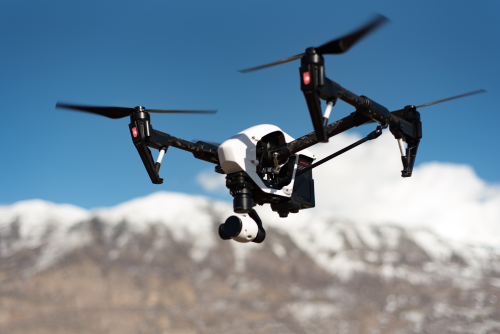
A drone jobs page looks simple until the wrong applicants, stale listings, and compliance questions start piling up. The biggest mistakes people make when they try to build a drone jobs page usually come from treating drone work like generic hiring or generic freelancing. In reality, a useful drone jobs page has to reflect how the industry actually works: location, equipment, deliverables, risk, regulation, travel, and trust.
Quick Take
If you want a drone jobs page that actually helps employers and operators, get these basics right first:
- Decide whether you are building a company careers page, a curated jobs board, or a freelance marketplace. Those are different products.
- Stop using vague titles like “Drone Pilot Needed.” Drone work varies hugely by sector, skill level, and output.
- Always show the practical details: location, travel radius, employment type, gear expectations, deliverables, turnaround time, and pay range or rate structure.
- Treat licensing, insurance, safety, and data/privacy obligations as core listing fields, not small print.
- Separate flight roles from editing, mapping, GIS, maintenance, software, and operations roles.
- Remove expired listings fast. A jobs page full of dead posts loses trust quickly.
- Make applications structured enough to filter for quality, but short enough that good candidates actually finish them.
- Measure success by qualified matches and placements, not by page views alone.
First, decide what kind of drone jobs page you are building
One of the biggest mistakes people make when they try to build a drone jobs page is not defining the product.
A page for hiring internal staff is not the same as a page for freelance field operators. A media company hiring one in-house pilot has different needs from a publisher running a niche industry job board. If you mix those models together without clear structure, both employers and candidates get confused.
| Page type | Best for | Main risk |
|---|---|---|
| Company careers page | Drone manufacturers, service firms, enterprise teams, training schools, software companies hiring staff | Listings are too broad and only reflect one employer’s needs |
| Curated drone jobs board | Publishers, communities, associations, industry platforms | Low trust if listings are stale, duplicated, or poorly screened |
| Freelance gig marketplace | Agencies, inspection networks, event coverage teams, on-demand operators | Quality control, compliance checks, pricing disputes, and inconsistent deliverables |
If you are a single business, start with a careers page or a tightly managed contractor roster page. If you are a media or community platform, a curated jobs board usually makes more sense than trying to launch a full marketplace on day one.
The biggest mistakes people make when they try to build a drone jobs page
1. They treat “drone jobs” as one category
“Drone pilot” is not one job.
A real estate shooter, a roof inspector, a mapping technician, a thermal survey operator, an FPV camera pilot, a visual observer, a maintenance technician, and a drone program manager may all touch the same ecosystem, but they are not interchangeable.
When a jobs page collapses everything into one label, it attracts the wrong people and frustrates the right ones.
A stronger structure groups jobs by actual work, such as:
- Aerial photography and video
- Inspections and asset surveys
- Mapping and photogrammetry
- Agriculture and environmental work
- Public safety and emergency support
- Operations, compliance, and fleet management
- Software, data processing, and GIS
- Sales, training, and customer success in drone companies
If your category structure is wrong, your jobs page will feel busy but perform badly.
2. They write vague job titles and vague briefs
A listing called “Experienced Drone Operator Wanted” tells almost nobody what the work really is.
The candidate needs to know:
- What sector is this for?
- What is the actual output?
- Is the role flying, planning, observing, editing, or processing?
- Is this a one-day field gig, a recurring contract, or a full-time staff role?
- Is the employer supplying aircraft and payloads, or does the applicant need their own?
Compare these two approaches:
Weak: “Need drone pilot for survey work. Must be experienced.”
Better: “Contract pilot needed for stockpile and site progress capture. Two site visits per month, industrial environment, nadir image capture only, mapping experience preferred, turnaround target 48 hours, travel within 80 km, aircraft can be provided.”
The second version filters better applicants before they apply.
3. They forget that deliverables matter more than the drone
Many poor jobs pages focus heavily on gear and barely mention outcomes.
In commercial drone work, the client usually cares about the result, not the aircraft brand. A jobs page that asks only “What drone do you own?” is incomplete. It should ask what the applicant can reliably produce.
That might include:
- Edited social clips for hospitality or tourism
- Roof imagery for insurance or claims review
- Orthomosaics, point clouds, or 3D models
- Thermal imagery with annotated findings
- Construction progress documentation
- FPV interior fly-through footage
- Site reports, logs, and post-mission data handoff
A strong listing explains the required output, file format expectations, revision scope, and delivery deadline. This is what helps employers hire the right specialist instead of the loudest applicant.
4. They ignore geography, travel, and mobilization reality
Drone work is physical, local, and operationally constrained much more often than founders assume.
A page that says “global drone jobs” but gives no location logic is usually not useful. Many jobs need a pilot on-site, with a vehicle, local knowledge, and the ability to work within a specific travel radius. Some roles involve recurring site access, remote terrain, offshore support, border crossings, or urban operations with extra restrictions.
Your listings should clearly state:
- Job location
- Whether the work is on-site, hybrid, or remote
- Travel radius or expected mobility
- Whether same-day response is required
- Whether accommodation or travel reimbursement is included
- Whether the role is open only to people already authorized to work in that country or region
This matters even for “remote” drone roles. A data processing or GIS role can be remote, but the flight role usually is not.
5. They bury licensing, insurance, and compliance requirements
This is one of the most serious mistakes.
Commercial drone work sits inside aviation, privacy, land access, and safety rules that vary by jurisdiction. A jobs page should never imply that hiring a pilot automatically makes a job legal or operationally approved.
At minimum, a listing should clarify what the employer expects the applicant to hold or verify, such as:
- Relevant pilot credential or authorization where required
- Aircraft registration where applicable
- Insurance expectations
- Experience in controlled, urban, or complex environments if relevant
- Ability to complete risk assessments, checklists, or client safety documentation
- Awareness of privacy-sensitive work, site permissions, and restricted areas
If the role may involve night operations, flights near people, industrial assets, infrastructure, or protected areas, the listing should say that extra approvals may be needed depending on local rules.
Do not ask applicants to guess. And do not let employers post jobs that ignore obvious compliance issues.
6. They mix employment, contract, and gig listings together without labels
A full-time salary role, a subcontracted day-rate job, and a one-off creative gig are not interchangeable.
When those appear in one feed without clear labels, candidates waste time and employers get irrelevant applications.
Use visible filters for:
- Full-time
- Part-time
- Freelance
- Contract
- Internship or trainee
- Temporary field support
- Remote processing or desk-based work
Also label whether the job is:
- Single-employer hiring
- Agency subcontracting
- Crew call or roster build
- Marketplace-style project posting
This is not just a user experience detail. It changes pricing, scheduling, invoicing, liability, equipment ownership, and candidate expectations.
7. They hide compensation or leave the pricing logic unclear
Many drone jobs pages still rely on “competitive” or “rate negotiable” language. That usually lowers trust and increases low-fit applications.
You do not need perfect precision for every listing, but you do need enough clarity for candidates to self-qualify.
For staff roles, show a salary band where possible.
For freelance and contract roles, show the structure, such as:
- Day rate
- Half-day rate
- Per-site rate
- Ongoing monthly retainer
- Travel reimbursement terms
- Whether post-production or data processing is included
- Whether revisions are paid separately
- Whether equipment is provided or expected from the contractor
Pay transparency also helps employers. It reduces the flood of applications from people who are clearly outside budget or expecting a different kind of work.
8. They create either a uselessly short application or a painful one
Bad application design breaks jobs pages from both directions.
If you ask only for a name, email, and portfolio link, employers have no way to assess operational fit. But if you ask for twenty fields, document uploads, aircraft inventories, certificates, insurance evidence, logbook totals, and references before the first conversation, candidates abandon the process.
A better approach is a staged application.
Start with core filters:
- Location
- Work authorization status if relevant
- Main specialties
- Relevant credentials
- Equipment access
- Portfolio or sample work
- Typical travel radius
- Availability
- Compensation expectation
Then gather deeper documentation later for shortlisted candidates.
This keeps the funnel usable while still giving employers what they need.
9. They let stale, duplicate, or low-trust listings sit live
Nothing kills a jobs page faster than expired opportunities.
If applicants repeatedly apply to dead posts, they stop trusting the platform. If employers see duplicated listings or spam, they stop posting. Drone job markets are smaller than general job markets, so trust decays quickly.
Set clear operating rules:
- Every listing gets an expiration date
- Old listings are archived or removed unless renewed
- Duplicates are merged
- Posting dates and update dates are visible
- Employer identity is checked before publication
- Suspicious “commission-only,” vague, or unrealistic listings are reviewed manually
A small, current jobs page is better than a large, messy one.
10. They forget that not every applicant should be judged by flight hours alone
Flight time matters, but it is a weak shortcut when used by itself.
A mapping job may value repeatable capture discipline and data quality more than cinematic creativity. A brand campaign may value story sense, smooth motion, and editing ability more than survey experience. An enterprise role may care most about documentation, crew discipline, and client communication.
Your jobs page should help employers evaluate fit by the right criteria.
Useful applicant fields can include:
- Sector experience
- Deliverable examples
- Software familiarity
- Safety and planning experience
- Client-facing communication skills
- Team role experience, such as pilot in command, observer, or data processor
- Ability to work to standard operating procedures
If every listing defaults to “minimum X hours,” you will miss many capable specialists and attract some unsafe overconfidence.
11. They optimize for SEO traffic instead of match quality
A lot of people build a drone jobs page as an SEO play first.
That often leads to thin pages like “drone jobs in city name” or “drone pilot jobs near me” with copied text, low-value listings, and weak filters. Traffic might rise, but applications do not improve.
A better search strategy is to structure pages around real user intent:
- By role
- By industry
- By geography
- By contract type
- By skill set
- By software or output type when relevant
Each listing page should answer practical questions fast:
- What is the work?
- Where is it?
- What do I need to qualify?
- What does it pay?
- What do I deliver?
- How do I apply?
- Is this active right now?
High-intent pages beat inflated page counts.
12. They launch the page but never build the operating system behind it
A drone jobs page is not just content. It is an operational service.
That means someone has to:
- Review and approve listings
- Remove old posts
- Handle employer questions
- Moderate applicant quality
- Track complaints
- Measure placement performance
- Improve taxonomy and filters over time
This matters even more if you plan to monetize.
Many platforms try to charge employers too early, before they can prove candidate quality or response quality. That usually backfires. A small but well-curated board can later earn revenue through featured listings, recruiter support, sponsorship, or premium distribution. A low-trust board cannot.
Compliance and operational risks you should not leave out
Any drone jobs page that touches paid flight work should include clear compliance language.
Keep it practical and conservative:
- Employers and operators should verify local aviation rules before accepting a job.
- Pilot credentials, aircraft registration, insurance, and operational permissions vary by country and sometimes by mission type.
- Site access, landowner permission, venue rules, and protected-area restrictions may apply separately from aviation rules.
- Some jobs may involve privacy-sensitive environments, critical infrastructure, crowds, or restricted airspace. Those need extra care and may require additional approvals depending on the jurisdiction.
- Cross-border jobs can trigger separate issues around work authorization, temporary equipment import, batteries, customs handling, and local contracting rules. These should be checked before travel.
- Client contracts should make clear who is responsible for permissions, safety coordination, postponements due to weather, and data handling.
A jobs page should help people work legally and safely, not encourage vague “show up and fly” behavior.
What a launch-ready drone jobs page should include
If you are building one now, use this as your minimum standard.
Core listing fields
Every listing should include:
- Job title that reflects the real work
- Employment type
- Location and travel expectations
- Sector or use case
- Deliverables
- Required or preferred experience
- Gear expectations, if truly relevant
- Software or data workflow requirements, if relevant
- Compensation range or rate structure
- Application deadline or expiration date
- Employer identity or verified posting source
- Compliance notes where applicable
Smart filters
At a minimum, let users filter by:
- Role type
- Geography
- Full-time vs freelance
- Industry
- Remote vs on-site
- Skill level
- Posting freshness
Trust features
Add:
- Visible posted date
- Visible updated date
- Expiration policy
- Verified employer marker
- Simple report-this-listing option
- Clear contact or support path
Metrics that actually matter
Do not judge success only by traffic. Track:
- Qualified applications per listing
- Application completion rate
- Time to first qualified candidate
- Expired listing rate
- Employer repeat posting rate
- Candidate complaint rate
- Placement or hire confirmation rate where available
Those numbers will tell you whether the page is useful as a business service, not just as content.
FAQ
Should a drone jobs page combine full-time roles and freelance gigs?
It can, but only if the labels and filters are very clear. Most users want to separate staff jobs from contract work quickly. If you cannot make that distinction obvious, split them into separate sections.
What information should every drone job listing include?
At minimum: role type, location, deliverables, employment model, required skills, compensation structure, equipment expectations, and application deadline. If commercial flying is involved, include compliance expectations too.
Should employers be allowed to post jobs without a pay range?
You can allow it, but it usually reduces trust and increases low-fit applications. Even a broad salary band or rate structure is better than none.
Do I need to verify pilot licenses, insurance, or registrations myself?
Not always at the posting stage, but you should be clear about who verifies what before work begins. If your platform acts as a marketplace or managed staffing layer, stronger verification becomes much more important.
How often should job listings expire?
Use a fixed policy and enforce it. Many platforms use short renewal windows because drone opportunities go stale quickly. The exact timing is your business choice, but the key is consistency and visible freshness.
Can a drone jobs page be global?
Yes, but only if the filters, compliance notes, and location data are strong. A “global” board without local context usually becomes noisy and hard to trust.
What should a drone applicant submit besides a reel?
That depends on the role. In addition to a reel or portfolio, ask for examples of relevant outputs, software familiarity, travel radius, sector experience, and any credentials required for the work. For technical jobs, sample deliverables are often more useful than cinematic highlights.
Is it worth building a standalone drone jobs page for a small business?
Usually only if hiring is a real recurring need or if you already have an engaged niche audience. Otherwise, a focused careers page or vetted contractor roster is often the smarter first step.
The practical next step
Before you design anything, decide what your drone jobs page is supposed to be: a hiring page, a curated board, or a marketplace. Then set a hard minimum standard for every listing: real title, real location, real deliverables, real compensation logic, and real compliance context. If you get those pieces right, the page can become a trusted business asset instead of just another low-quality listings feed.