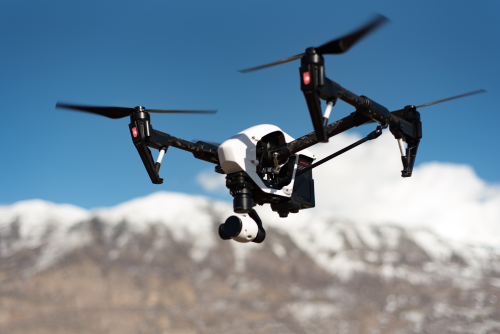
Aerial stock footage looks like an easy business from the outside: fly somewhere beautiful, upload a few clips, and wait for royalties. In reality, the biggest mistakes people make when they try to create an aerial stock footage business have less to do with flying skill and more to do with market fit, licensing, compliance, and workflow discipline. The operators who make this work usually think like product builders, not just drone pilots.
Quick Take
If you want to turn drone footage into a real stock business, avoid these core errors:
- Treating stock like fast passive income instead of a slow library business.
- Shooting what looks impressive to pilots rather than what is useful to buyers.
- Competing in oversupplied subjects like generic sunsets and famous landmarks.
- Ignoring the difference between legal flight, legal filming, and legal licensing.
- Uploading clips with weak titles, keywords, and file organization.
- Building no niche, no collection strategy, and no repeatable shooting system.
- Relying on one stock platform or assuming all client-shot footage is yours to resell.
- Forgetting that margins depend on volume, reuse, and long-term consistency.
Why this business is harder than most people expect
Aerial stock is not just “drone footage for sale.” It is a searchable inventory business.
Buyers are usually not shopping for the clip that was most exciting to capture. They are looking for footage that solves a content problem. That could mean a clean establishing shot of a logistics hub, a tourism-friendly coastline clip with room for text, or a generic city movement shot that fits a corporate edit.
That gap between what pilots love to shoot and what editors need to buy is where many new stock businesses fail.
| Common assumption | Market reality | Better approach |
|---|---|---|
| “If the footage looks beautiful, it will sell.” | Beauty helps, but usefulness, clarity, and licensing matter more. | Shoot with buyer use cases in mind. |
| “One great trip will create a portfolio.” | Stock income usually comes from depth and consistency. | Build collections, not one-off hero clips. |
| “If the flight was legal, the clip is sellable.” | Licensing can still be limited by property, privacy, brand, or platform rules. | Verify usage rights separately from flight rules. |
| “Uploading is the easy part.” | Discoverability depends heavily on metadata. | Treat keywording and cataloging as part of production. |
| “It’s passive income.” | It becomes passive only after a lot of active building. | Run it like a slow, repeatable content business. |
The biggest mistakes people make when they try to create an aerial stock footage business
Expecting passive income too early
This is the biggest mindset mistake.
Aerial stock can become semi-passive over time, but it is rarely passive at the beginning. Most people upload a small batch of clips, see little traction, and assume the market is dead. More often, the real issue is that the catalog is too small, too random, or too generic.
A stock business usually needs:
- A meaningful number of clips
- Coverage across subjects, locations, and seasons
- Consistent upload cadence
- Good metadata
- Enough variety that one buyer can license multiple clips from the same creator
A portfolio of ten “best-of” travel clips is not a business. It is a test.
Shooting for personal taste instead of buyer intent
Pilots often chase dramatic reveals, ultra-saturated sunsets, and complex movement because those shots feel cinematic. Buyers often want something simpler.
Stock buyers typically prefer footage that is:
- Stable
- Easy to edit into a sequence
- Long enough to trim in and out
- Free of obvious logos, privacy issues, or legal complications
- Framed with clear subject separation
- Neutral enough to grade with the rest of their project
The question is not “Would another drone pilot like this shot?”
It is “Can an editor use this clip in an ad, documentary, explainer, tourism piece, or corporate film without fighting it?”
That change in mindset improves both what you shoot and what you keep.
Chasing oversupplied locations and subjects
The internet is already full of drone footage of famous skylines, tropical beaches, and iconic landmarks. That does not mean those clips never sell, but it does mean competition is brutal.
Many new creators go straight for the most photographed places on earth. They come back with footage that looks good but enters a saturated pool where discoverability is hard and pricing power is weak.
Often, the better stock opportunities sit in less glamorous but more commercially useful subjects, such as:
- Ports and logistics corridors
- Renewable energy sites
- Construction progress environments
- Agricultural cycles
- Generic suburban growth patterns
- Business districts without obvious trademarks
- Coastal infrastructure
- Bridges, roads, rail, and mobility themes
- Seasonal environmental change
- Region-specific textures that are recognizable but not overexposed
A boring subject with real buyer demand usually beats a spectacular subject with endless competition.
Not understanding commercial versus editorial licensing
This mistake can destroy sellability after the footage is already shot.
In plain English:
- Commercial use means the clip may be used in advertising, branded work, marketing, or promotional content.
- Editorial use is typically for news, documentary, commentary, or educational contexts.
A clip may be visually excellent and legally flown, but still unsuitable for broad commercial stock licensing because of recognizable people, private property, restricted locations, artwork, logos, or brand identifiers.
Platform rules also vary. One agency may accept a clip as editorial-only, while another may want additional documentation or reject it outright.
Things to verify before relying on footage for commercial stock:
- Whether recognizable people appear and whether a model release is needed
- Whether private property is identifiable and whether a property release may be required
- Whether trademarks, logos, vehicle plates, or artwork are visible
- Whether the location itself has filming restrictions even if the airspace is usable
- Whether local privacy or publicity rights affect sale or publication
Editorial labeling is not a magic shield. It does not make risky footage automatically safe to license.
Treating flight regulations and site permissions as an afterthought
Aerial stock is still drone operations, and drone operations are regulated in most countries.
Beginners often focus on capture first and compliance later. That is backwards. A sellable stock clip begins with a legally and safely planned flight.
Depending on where you operate, you may need to verify:
- Aviation rules for your pilot status and operation type
- Airspace restrictions
- Temporary restrictions or event controls
- Protected park, wildlife, heritage, or municipal restrictions
- Landowner or site access permissions
- Insurance expectations for commercial work
- Remote identification or operator registration rules where applicable
This becomes even more important when traveling internationally. Rules that feel normal at home may not apply elsewhere, and certain places impose extra restrictions on protected land, populated areas, infrastructure, or commercial filming.
You should always confirm requirements with the relevant aviation authority and, when relevant, the local park, property, venue, or municipality before flying or licensing footage.
Assuming client-shot footage is yours to resell
This is a quiet but expensive mistake.
Many drone operators think: “I filmed it, so I own it.” That is not always enough to build stock rights.
If the footage was captured during a paid client job, the answer depends on:
- The contract terms
- Whether the client has exclusive rights
- Whether the site owner granted filming only for that assignment
- Whether the work involved confidential, sensitive, or private property
- Whether your agreement restricts redistribution
Even if you technically retain copyright, using client-shot footage in stock libraries can create commercial conflict, relationship damage, or legal exposure if the contract or access terms say otherwise.
The safe approach is simple: do not assume you can resell client footage unless the agreement clearly allows it.
Shooting footage that looks cinematic but is not stock-friendly
A stock clip needs to be usable, not just exciting.
Common capture mistakes include:
- Whip pans and abrupt yaw moves
- Ultra-fast reveals with no clean entry or exit
- Overly aggressive color grading baked into the clip
- Tilted horizons
- Wind wobble or micro-jitters
- Tiny subjects with no clear focal point
- Short clips with no editing handles
- Flying so low or close that the shot feels risky or unusable
Good stock footage is often calmer than social media footage.
A practical stock shoot usually includes several versions of the same subject:
- Wide establishing shot
- Slow push-in
- Slow pull-back
- Lateral slide
- Top-down or high oblique angle
- Stable hover with subtle motion
- Different weather or time-of-day variations if feasible
This gives buyers options and increases the chance that one location generates multiple licenses.
Neglecting metadata, titles, and file organization
Metadata is the information that helps a buyer find your clip: title, description, keywords, location terms, subject terms, industry terms, and usage context.
This is where many drone pilots lose sales. They spend hours flying and minutes uploading.
Bad metadata sounds like this:
- “Beautiful drone footage”
- “Epic aerial view”
- “4K drone shot of city”
Good metadata is specific and buyer-oriented. It describes:
- What the subject is
- Where it is
- What industry or concept it relates to
- What movement the camera makes
- What season, weather, or time of day is shown
- Whether it is editorial or commercially clear, if known and allowed by the platform
For example, a buyer may search for “container port aerial logistics sunrise,” not “cool drone shot.”
Good file hygiene also matters internally. You should be able to tell, months later:
- Where the clip was captured
- When it was captured
- Whether release issues exist
- Which location permits or permissions may apply
- Which edits or exports were created
A stock business without a catalog system eventually becomes a hard drive problem.
Having no niche or collection strategy
Random uploads can produce occasional sales, but a business usually needs a sharper identity.
A niche does not have to be tiny. It just needs to help you build depth and repeatability. Good examples include:
- Coastal tourism environments
- Agricultural landscapes through seasons
- Energy and infrastructure
- Urban mobility and transportation
- Mountain roads and outdoor recreation
- Industrial districts and logistics
- Hospitality destinations
- Generic lifestyle aerials for corporate use
The advantage of a niche is simple: once a buyer likes one clip, they often need related clips.
That is hard to provide if your library jumps from glaciers to weddings to one stadium orbit to a random beach reveal. It is easier if your catalog contains coherent sets.
Think in collections, not trophies.
Uploading too little, too inconsistently, or quitting too early
New creators often test stock with a handful of uploads, wait, and stop when sales do not appear quickly.
That misses how stock platforms and buyers behave. Discoverability often improves with:
- More inventory
- More consistent uploads
- Better keywording over time
- Subject depth
- Seasonal refreshes
A small but disciplined monthly upload schedule is usually stronger than one huge burst followed by silence.
If you want to see whether the business can work, give it a fair test:
- Pick a niche.
- Build a real shot list.
- Upload consistently for several months.
- Track what gets views, saves, or sales.
- Adjust based on evidence, not emotion.
Depending on one platform or one revenue stream
Marketplace exposure is useful, but it should not be your entire business model.
Stock platforms can change terms, review standards, discoverability, or royalty structures. If all your effort depends on one ecosystem, your business is fragile.
A stronger setup may include some combination of:
- Multiple stock libraries, where terms allow
- A direct licensing portfolio for repeat buyers
- Curated footage packs for agencies or production teams
- A searchable archive you can pitch to tourism boards, publishers, or local businesses
- Reuse of self-funded footage across stock, social edits, and showreel marketing
The point is not to scatter your efforts everywhere. It is to avoid having all your upside controlled by one platform.
Ignoring the business math
Aerial stock can look profitable when you think only about drone ownership and possible royalty upside. The real math is broader.
Costs may include:
- Airframe wear
- Batteries and charging infrastructure
- Travel and access
- Insurance
- Permits or location fees
- Storage and backup
- Editing time
- Upload and catalog time
- Replacement risk after crashes, moisture, or transport damage
This is why “I made a sale” and “I built a profitable stock business” are not the same thing.
You do not need a huge spreadsheet obsession, but you do need to know:
- Which shoots create reusable collections
- Which locations generate multiple usable clips
- Which subjects sell repeatedly
- How long your upload workflow really takes
- Whether the revenue justifies the operating model
Never reviewing what actually sells
Some creators build portfolios based on ego rather than demand. They keep producing the clips they enjoy most instead of the clips the market rewards.
That is a slow way to stay busy and unprofitable.
Review your own results regularly:
- Which subjects sell most often?
- Which locations are oversupplied in your library?
- Which camera moves perform best?
- Do business, infrastructure, or tourism clips outperform pure scenery?
- Are certain seasons, weather conditions, or vertical-friendly compositions doing better?
- Are editorial clips getting attention but not converting into meaningful revenue?
Stock should get more focused over time. If your process does not improve with data, it is not really a business yet.
What buyers usually want from aerial stock
A sellable aerial clip often looks more practical than flashy.
In many cases, buyers want footage that has these qualities:
- Clear subject and visual purpose
- Smooth, predictable movement
- Clean beginning and end for easy editing
- Minimal legal clutter such as logos or identifiable people
- Natural color that can fit different edits
- Room for text or cropping
- Related companion clips from the same location
- Accurate descriptive metadata
If you are unsure whether a clip is stock-friendly, ask a simple question: could a stranger use this in a project without needing to know why I thought it was cool?
If the answer is no, it may still be great portfolio work, but not great stock.
Compliance and operational risks you cannot ignore
Because this business involves aircraft, public spaces, and commercial licensing, risk management is part of the product.
Before flying
Check the rules that apply to your aircraft, pilot credentials, airspace, and operation type in the country where you plan to fly. Then separately verify any local restrictions for parks, municipalities, protected areas, private land, events, or landmarks.
Also consider whether the footage is likely to create licensing issues later. A legal takeoff point does not automatically create a commercially clean stock asset.
During capture
Avoid risky flights near uninvolved people, traffic, emergency response, wildlife-sensitive areas, or restricted infrastructure. Even beyond legality, unsafe-looking footage can be hard to sell and bad for your business reputation.
After capture
Log the operational details while they are fresh:
- Location
- Date
- Conditions
- Any permissions or releases obtained
- Any concerns about visible brands, people, or private property
- Whether the clip should be treated as editorial-only, held back, or discarded
If you travel for stock production, also verify transport rules for batteries, customs treatment where relevant, and any country-specific limitations on commercial drone use before departure.
A smarter way to build the business
If you want to avoid the common failures, build your aerial stock business in this order.
1. Choose one commercially useful niche
Start where you can create depth, not where you can create one amazing shot.
Good niche questions:
- What can I access repeatedly?
- What do I understand better than average?
- Where can I shoot legally and consistently?
- What subjects are useful to businesses, publishers, or tourism buyers?
2. Build a shot list before every outing
Instead of “I’ll see what looks good,” plan coverage.
For each location or subject, list:
- Establishing shot
- Movement variations
- Altitude variations
- Weather or time-of-day opportunities
- Clean generic versions and context-rich versions
- Details that might create release or trademark problems
3. Create a clearance workflow
For each shoot, decide:
- Is this likely to be commercial, editorial, or unusable?
- Are any permissions needed?
- Do I need to avoid certain angles, buildings, or branded elements?
- If people appear, are they identifiable?
This takes minutes before the flight and can save an entire day of unusable capture.
4. Edit for stock, not for social media
Keep grades flexible. Avoid excessive stylization. Export clean masters. Make sure the clip has a usable start and finish.
Think like an editor who needs options, not like a creator who needs instant impact.
5. Keyword like a buyer
Use plain search language, not poetic language.
Include:
- Location
- Subject
- Industry context
- Movement type
- Time of day
- Season or weather
- Concept terms buyers may search for
6. Track performance monthly
Look for patterns in:
- Best-selling subjects
- Best-performing locations
- Rejected clips and why
- Time spent per usable clip
- Which types of footage create repeatable returns
7. Build a hybrid revenue model
Pure platform royalties may take time. A stronger path is often to let stock support a wider services business.
Your stock library can also help you:
- Pitch clients in industries you already cover
- License directly to repeat buyers
- Build regional footage packages
- Create a searchable archive that makes custom work easier to upsell
That is how many creators move from “occasional stock income” to an actual aerial media business.
FAQ
Can you still make money with aerial stock footage?
Yes, but it is harder than many beginners expect. The opportunity is usually better for creators who build a niche, maintain a large organized library, and think carefully about legal clarity and buyer usefulness.
How many clips do you need before sales become meaningful?
There is no universal number. What matters more is whether the library is searchable, consistent, and built around subjects with real demand. A small but focused collection can outperform a larger pile of random scenic footage.
Do I need model or property releases for drone stock footage?
Sometimes. It depends on how recognizable people or private property are, how the footage will be licensed, the local laws involved, and the platform’s review rules. Always verify agency requirements and local legal considerations rather than assuming a clip is commercially clear.
Is FPV footage good for stock?
It can be, but it is often more niche than standard stabilized aerial footage. Highly aggressive FPV moves may be exciting but less versatile for mainstream buyers. FPV tends to work best when it still serves a clear use case and remains easy to edit.
Should I upload exclusive or non-exclusive?
That depends on the platform terms, your distribution strategy, and whether you value wider reach or a simpler catalog. Before choosing, compare the tradeoff between flexibility, discoverability, and any differences in royalties or control.
What kinds of aerial subjects are easier to license than iconic landmarks?
Often, commercially useful generic subjects do well: transport, infrastructure, clean urban movement, agriculture, coastlines, industrial activity, hospitality environments, and seasonal regional landscapes. Buyers frequently need versatile context more than famous postcard views.
Can I use footage from paid client work in my stock library?
Only if your contract and access permissions allow it. Many assignments include restrictions, exclusivity, or implied confidentiality. Never assume paid job footage is automatically safe to resell.
What matters more: camera quality or metadata?
Both matter, but weak metadata can bury even excellent footage. A technically strong clip that nobody can find will not earn. In stock, discoverability is part of quality.
The next move
Before your next flight, do one thing differently: choose a niche, write a real shot list, and decide in advance how each clip could be licensed. If you can pair safe capture with useful footage, clean rights, and disciplined metadata, you have the foundation of an aerial stock footage business. If not, you probably just have another folder of pretty drone clips.