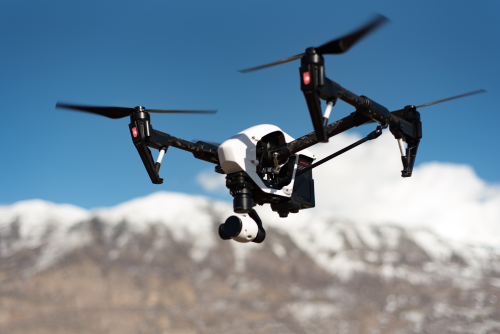
The biggest mistakes people make when they try to offer wedding drone packages usually have nothing to do with stick skills. They start with weak planning, vague promises, poor pricing, and a failure to treat weddings as high-stakes live events rather than simple aerial shoots. If you want wedding drone work to be profitable, legal, and repeatable, you need a package built around outcomes, limits, and coordination.
Quick Take
Wedding drone packages fail when operators sell “cool aerial footage” without checking whether the venue, timeline, weather, and local rules actually allow safe flying.
Key points
- Do not quote a wedding drone package until you have checked flight feasibility.
- Couples are buying story and atmosphere, not drone minutes.
- Underpricing is one of the fastest ways to turn a wedding add-on into a liability.
- Promise ranges and conditions, not guaranteed shots.
- Coordinate with the planner, venue, photographer, and videographer before the event.
- Build safety, legal, privacy, and insurance checks into your workflow early.
- Not every wedding is a good drone job, and saying no can protect your brand.
| Mistake | Why it hurts | Better move |
|---|---|---|
| Selling the drone as the product | Clients do not care about flight time | Sell specific visual outcomes and moments |
| Quoting before checking feasibility | You may promise something you cannot legally or safely deliver | Run a venue, airspace, and timeline screen first |
| Pricing it like a minor add-on | Admin, risk, travel, insurance, and editing eat your margin | Price for complexity, not just flight duration |
| Guaranteeing shots | Weather, crowds, venue rules, and timelines change | Promise best-effort coverage within safe and legal limits |
| Failing to coordinate with other vendors | Audio gets ruined, timing gets missed, and tension builds | Pre-plan flight windows and communication roles |
| Using vague contracts | Disputes over raw files, turnaround, and limitations are common | Define deliverables, limits, ownership, and fallback terms clearly |
Why wedding drone work is harder than it looks
Wedding work attracts a lot of pilots because the visuals can be beautiful: venue reveals, sunset couple shots, coastal resorts, mountain ceremonies, and cinematic transitions. But weddings are one of the least forgiving types of commercial drone work.
You are dealing with:
- a fixed date
- emotional clients
- live crowds
- multiple vendors
- tight timelines
- weather you cannot control
- venue rules that may change on the day
- legal and insurance questions that often surface late
That combination is what makes wedding drone packages risky when they are treated casually. A skilled pilot can still lose money, disappoint the couple, or create a safety problem if the business process is weak.
The biggest mistakes people make when they try to offer wedding drone packages
1. Selling the drone instead of the result
A lot of beginners market a package like this: “Includes 20 minutes of drone coverage.” That sounds neat, but it is the wrong frame.
Most couples do not know what 20 minutes of drone coverage means. They care about whether the final film or photo set feels richer, more cinematic, and more personal.
Better positioning is outcome-based. For example:
- venue establishing shots
- arrival or location reveal
- couple portrait sequence at a safe, quiet time
- wide environmental coverage of the ceremony area, if feasible
- sunset or golden-hour scene-setters
- short vertical social clip for next-day sharing
This shifts the conversation from aircraft time to story value. It also makes it easier to explain why some weddings are a good fit for drone coverage and some are not.
2. Quoting before checking whether flying is actually possible
This is one of the most expensive mistakes in wedding drone work.
Just because a venue looks amazing from the air does not mean you can fly there. The property may ban drones. The surrounding airspace may be restricted. The ceremony may be near people, roads, wildlife areas, coastlines with strong wind, or sensitive sites such as heritage locations or religious grounds.
Before you quote, verify:
- local aviation rules for the specific area
- whether your operation type is allowed there
- venue or property permission
- whether there is a safe takeoff and landing area
- whether the planned shots would involve people or crowd proximity issues
- likely wind and weather patterns for the season
- local privacy or nuisance sensitivities
- whether a permit, notification, or proof of insurance may be required
If it is a destination wedding, add one more layer: verify the country’s drone entry, operational, and battery transport rules before committing. These vary widely and can change.
A simple feasibility check before the proposal can save hours of rework and awkward renegotiation later.
3. Underpricing because it feels like “just a few extra shots”
This is how many wedding drone packages become unprofitable.
Drone coverage is rarely a simple add-on. Even if the aircraft only flies for a short time, the business effort around that flight is much larger:
- pre-event planning
- venue and airspace research
- communication with the planner or venue
- possible compliance paperwork
- insurance handling
- packing, charging, and backups
- extra arrival time
- on-site setup and safety checks
- editing, culling, and color matching
- file management and storage
- equipment wear and replacement risk
If you are charging as if the drone is just a quick bonus, your margin can disappear fast.
A better approach is to price based on complexity. Factors that should affect price include:
- travel distance and destination complexity
- venue restrictions and admin burden
- whether you need a visual observer or assistant
- likely number of safe flight windows
- the type of deliverables
- turnaround time
- revision expectations
- whether the drone work is embedded in a bigger wedding film or sold standalone
Even if you keep the package simple, it needs a minimum revenue floor. If it does not cover risk and admin, it should not be sold.
4. Promising guaranteed shots
Operators often market exact scenes before they know whether the day will support them. That is a mistake.
At weddings, the best drone shots are often the most conditional. Wind may be too strong. The venue may change its stance. The timeline may slip. Guests may fill the area you planned to use. Rain may never arrive, or it may arrive exactly when you hoped to fly. A noisy drone may be unacceptable during vows even if the airspace is technically open.
Do not guarantee highly specific shots unless you truly control the environment.
Instead, promise something like:
- aerial coverage will be attempted where safe, legal, and venue-approved
- final drone content depends on weather, location restrictions, guest density, and timeline availability
- coverage priorities will be agreed in advance
- substitute ground footage may be used if flight is not possible
That is not weak selling. It is professional expectation setting.
5. Failing to coordinate with the other vendors
Wedding drone work does not happen in isolation. If you do not coordinate, you can disrupt the people who are most responsible for the couple’s core memories.
Common failures include:
- flying during vows and ruining audio
- blocking the photographer’s composition
- launching when the planner is moving guests
- asking the couple for a drone session at the wrong time
- trying to improvise with no agreed window or cue
Your drone coverage should fit the production, not compete with it.
Before the event, align on:
- who is leading the timeline
- when flying is acceptable
- which moments are off-limits
- where takeoff and landing will happen
- whether the venue wants notice before launch
- whether the photographer or filmmaker wants specific aerial inserts
- how you will communicate on the day
A short pre-event call can prevent most of these issues.
6. Using the wrong aircraft for the job
The best wedding drone is not always the most powerful or most dramatic one. In many wedding settings, smaller, quieter, more reliable aircraft are the better business choice.
What matters most is usually:
- reliability
- fast setup
- quiet operation
- stable footage
- low stress in moderate wind
- manageable footprint around guests and staff
- strong battery health and redundancy
This is also where some pilots make a bad FPV decision. FPV can look incredible, but it is not a default wedding tool. It requires the right venue, the right pilot, clear stakeholder approval, strong safety controls, and a shot plan that does not put guests at risk. In many weddings, a traditional camera drone is the smarter choice.
Do not use a paid wedding as a practice ground for a new aircraft, a new control setup, or a new filming style.
7. Bringing no backup plan for gear failure
A wedding is not the place to say, “My only battery is acting weird,” or, “I forgot spare props.”
At minimum, your workflow should assume that something minor may fail. Bring what you need to keep small problems from becoming client problems.
That usually means:
- multiple healthy batteries
- spare propellers
- extra memory cards
- controller charging covered
- current firmware and tested settings before event day
- weather-appropriate storage and transport
- a second drone if the booking value and your business model justify it
- safe backup ground capture options
Redundancy is not overkill in wedding work. It is professionalism.
8. Treating weddings like real estate shoots
Real estate drone work is often about clean geometry, rooflines, and empty-space coverage. Weddings are about people, emotion, and timing.
That means the flying style has to change.
What often goes wrong:
- flying too low near guests
- trying aggressive reveal moves in crowded areas
- overusing orbit shots because they look cinematic
- pushing too close to the couple for drama
- ignoring how noise changes the atmosphere
- forgetting that some guests do not want to be filmed from above
The safest, strongest wedding drone footage is often calmer than pilots expect. Think establishing shots, gentle movement, wide context, and carefully chosen portrait moments with controlled spacing.
A wedding package should make the day feel elevated, not invaded.
9. Leaving deliverables vague
This creates disputes after the event.
If you say “drone coverage included,” the client may assume one thing while you mean another. They may expect a finished teaser, raw clips, still frames, social edits, or integration into the full wedding film.
Your package should define:
- whether the drone footage is standalone or part of a larger film
- expected output type
- approximate final duration if delivering edited drone-only content
- orientation options, such as horizontal and vertical
- whether raw files are included
- turnaround time
- number of revision rounds
- file delivery method
- whether still images can be extracted or must be shot separately
Be especially clear on raw footage. Many clients ask for it without understanding that drone raw files can be large, flat-looking, repetitive, and not ready for casual use.
10. Ignoring contracts until after the sale
A weak contract turns normal wedding uncertainty into a dispute.
Your wedding drone agreement should clearly cover:
- safety and legal limitations
- weather limitations
- venue approval requirements
- your right to decline a flight if conditions are unsafe or non-compliant
- what happens if the drone portion cannot be completed
- rescheduling or substitution terms
- payment structure
- cancellation terms
- ownership and usage rights
- portfolio use, if you want to use footage for marketing
- data retention period
- liability boundaries appropriate to your business and local law
If you intend to share clips with the venue, planner, or other vendors, make sure the usage rights and consent position are clear.
11. Having no day-of operating process
Too many operators show up with gear and hope to improvise. Weddings punish improvisation.
You need a simple operating system for the day:
- Arrive early enough to assess the venue, wind, and crowd flow.
- Confirm the latest timeline with the planner or lead vendor.
- Re-check the exact takeoff and landing location.
- Run a full preflight and media check.
- Decide your likely flight windows.
- Keep the aircraft packed away when flying adds no value.
- Back up footage as soon as practical.
- Log any issue while it is fresh.
A good process keeps you calm and reduces the chance that the drone becomes a distraction.
12. Forgetting that not every wedding should be sold drone coverage
This may be the most mature business lesson of all.
Some weddings are poor fits for drone service:
- dense urban venues with heavy restrictions
- indoor-only schedules
- very tight timelines with no safe window
- bad weather seasons
- venues that explicitly ban drones
- crowded resort settings with no safe operating space
- ceremonies where privacy or cultural sensitivity makes aerial filming inappropriate
Trying to force a drone package into these jobs usually leads to stress, weak footage, refunds, or reputational damage.
Sometimes the best sales move is to say, “I do not recommend drone coverage for this one, but here is what I can do instead.”
That builds trust and often leads to future referrals.
Safety, legal, and operational limits you need to build around
Wedding drone work is commercial work in many jurisdictions, and even where local rules differ, you should treat it with full professional discipline.
What to verify before every booking
- whether your operation is legally allowed for that location and use case
- whether commercial authorization, registration, certification, or pilot competency proof is required
- venue or property permission
- insurance requirements, including any certificate the venue may request
- whether local rules restrict flying near people, roads, beaches, parks, wildlife, or built-up areas
- whether night operations, if relevant, are permitted under local rules and your authorization
- privacy expectations and any special sensitivity around guests, neighboring properties, or children
Non-negotiables for safer wedding operations
- Do not plan your core package around flight over guests or crowds unless local law clearly allows it and your operation is genuinely authorized and risk-controlled for that scenario. In many real-world wedding settings, it will not be a workable option.
- Maintain line of sight and any required separation distances.
- Respect takeoff and landing safety around children, decorations, vehicles, and staff movement.
- Avoid flying when rotor noise would undermine key live moments.
- If the conditions feel wrong, do not launch.
If you shoot destination weddings, add travel checks early. Battery airline rules, customs handling, import restrictions, and local operator requirements can derail the job before you reach the venue.
A better way to build wedding drone packages
If you want a package that actually works as a business service, build it in this order.
1. Start with a feasibility screen
Before sending a final quote, collect:
- venue name and exact location
- indoor or outdoor split
- ceremony and portrait timing
- whether the venue allows drones
- whether the planner or coordinator is involved
- what the client actually wants from aerial coverage
If the answers are weak or uncertain, do not overpromise.
2. Package outcomes, not airtime
Good package framing might include:
- venue opener coverage
- couple portrait aerial sequence
- wedding film aerial inserts
- next-day social teaser with selected drone moments
That is easier for clients to understand and easier for you to produce consistently.
3. Price for complexity
Your quote should reflect:
- planning burden
- risk profile
- location difficulty
- deliverables
- travel
- backup expectations
If the drone element is small, it still needs a margin. Do not let it become “free risk” inside a larger wedding deal.
4. Write limits into the agreement
Spell out:
- best-effort nature of aerial coverage
- weather and venue restrictions
- fallback options
- raw footage policy
- turnaround and revisions
- rights and reuse
This is where profitable operators separate themselves from hobby sellers.
5. Coordinate one week out and again on the day
A short coordination touchpoint with the planner, venue, and lead visual vendor can save the job. Reconfirm:
- approved flight windows
- no-fly moments
- launch area
- weather concerns
- priority shots
6. Keep the on-site plan conservative
At weddings, consistency beats showing off. Get the clean, useful, story-supporting shots first. If conditions allow more, treat that as upside.
7. Deliver clearly and fast
If drone footage is a supporting element, it should arrive organized and easy to use. If it is a standalone deliverable, keep it polished, concise, and aligned with what was sold.
FAQ
Can I offer wedding drone services if I mainly fly as a hobby?
Only if you have checked the legal and commercial requirements that apply where you operate. Hobby flying experience alone does not automatically make you ready for paid wedding work. You also need business process, client communication, safety discipline, and often insurance.
Should drone coverage be a standalone package or an add-on?
Either can work. If you already provide wedding photo or video, an add-on can be efficient. If you are coming in only for aerial coverage, a standalone micro-package may be cleaner. The key is defining deliverables and maintaining a minimum profitable booking value.
Who should get venue approval for drone flying?
Do not assume the couple has handled it. As the operator, you should verify the venue’s position directly or through the planner and get clear confirmation before the event. Property permission and aviation compliance are separate issues, and both matter.
Can I fly over wedding guests?
Do not build your service around that assumption. Rules on flying near or over people vary by jurisdiction and authorization type, and many wedding environments make it unsafe or impractical. Plan for conservative, crowd-avoiding coverage unless you have explicit legal authority and a robust risk-controlled setup.
What if the weather turns bad on the day?
Your contract and pre-event communication should already cover this. Have fallback ground shots, alternative windows, or a clear no-fly policy. Wind, rain, dust, fog, and poor visibility can all make drone work unwise.
Do clients usually need raw drone footage?
Often they ask for it, but many do not actually need it. Raw footage can be large, repetitive, and ungraded. If you offer it, set clear terms on format, delivery, and timing. If you do not include it, state that upfront.
Is FPV a good fit for weddings?
Sometimes, but only in the right environment. FPV is best reserved for controlled segments, open spaces, and specialized pilots with strong safety systems and clear approval. It is not the default choice for guest-heavy, time-sensitive wedding coverage.
How early should I assess whether a wedding is drone-feasible?
As early as possible, ideally before the final proposal or contract. The later you leave it, the harder it is to reprice, renegotiate, or decline the drone portion without damaging trust.
The smart next move
If you want to offer wedding drone packages successfully, stop thinking like a pilot adding a cool extra and start thinking like a service business managing risk, expectations, and margin. Build every package around feasibility, coordination, clear deliverables, and the ability to say no when the job is a poor fit. That is what turns wedding drone work from a stressful add-on into a credible professional service.