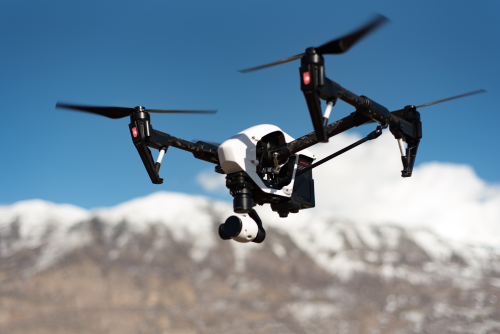
If you are stuck between under-250g drones or larger camera drones, the smarter choice is usually not about headline specs. It is about friction versus capability: which drone will you actually carry, legally fly, and trust when the shot matters. For most buyers, the wrong purchase is either a “better” drone that stays home or a “convenient” drone that keeps missing the footage standard they really need.
Quick Take
Here is the short answer.
- Choose an under-250g drone if portability, travel convenience, lower admin friction, casual creation, and “I’ll actually bring it with me” matter most.
- Choose a larger camera drone if you need more consistent results in wind, better low-light performance, stronger footage for client work, or more confidence in demanding conditions.
- Under 250g often means fewer restrictions in some countries, but it does not mean rule-free flying. You still need to verify local aviation rules, airspace restrictions, park rules, privacy expectations, and travel battery requirements.
- If you are torn, ask one brutally honest question: do you regret missed flights more often, or disappointing footage more often?
Key points at a glance
| Decision factor | Under-250g drones | Larger camera drones |
|---|---|---|
| Portability | Excellent | Good to fair |
| Travel convenience | Usually easier | Usually more planning |
| Regulatory friction | Often lower, but varies by country | Often higher |
| Wind handling | Limited to moderate conditions | Usually better |
| Low-light image quality | Usable, especially in good light | Usually stronger |
| Social content and travel clips | Excellent fit | Also good, but more effort |
| Paid content and commercial consistency | Possible for simple jobs | Usually the stronger choice |
| Repair and replacement cost | Often lower | Often higher |
| Public attention on location | Lower visual footprint | More noticeable |
| Best for | Beginners, travelers, hobbyists, everyday creators | Serious aerial photographers, client work, demanding environments |
The real decision: friction or margin?
When buyers compare drones, they often compare the wrong thing.
They compare sensor size, flight time claims, top speed, or a feature list. Those matter, but the bigger question is this:
- Do you need a drone that reduces resistance to flying?
- Or do you need a drone that gives you more margin when conditions are less than ideal?
Under-250g drones win on reduced resistance. They are easier to pack, easier to justify bringing along, easier to deploy on a hike or city stop, and often easier to own in places where weight affects registration or category rules.
Larger camera drones win on margin. They usually hold better in wind, give you more confidence in changing light, and are more likely to produce footage that still looks strong after cropping, grading, or client review.
That is why this is not really a “small drone versus big drone” debate. It is a “high-frequency flying versus high-confidence output” decision.
Why under-250g drones are the smarter path for many buyers
For a huge percentage of real-world pilots, mini-class drones are the better first or primary purchase.
You will actually carry them
This sounds obvious, but it is the biggest buying truth in drones: the drone you bring beats the drone you admire on a shelf.
Under-250g drones are easier to toss into a day bag, travel backpack, or camera sling. They are less mentally “expensive” to bring along. That matters more than people think.
A larger drone may be better on paper, but if it feels like extra baggage, extra batteries, extra risk, and extra hassle, your flight count often drops.
They fit travel and everyday life better
If you travel often, hike, road trip, or create while moving, smaller drones reduce friction everywhere:
- less space in your bag
- less weight on long walks
- simpler casual deployment
- easier backup power planning
- lower emotional cost if conditions turn out unflyable
For many travel creators, that matters more than squeezing the last bit of image quality from every shot.
They are often the better learning platform
Beginners frequently assume they should “grow into” a larger drone. Sometimes that makes sense, but often it does not.
A smaller camera drone can be the smarter way to learn:
- you fly more often
- you practice faster
- you spend less on mistakes
- you build planning habits before taking on more expensive gear
That does not mean under-250g drones are toys. Many are highly capable. It means they are more forgiving as a buying decision because they encourage actual use.
They are often enough for how people really publish
If your output is mainly:
- social video
- YouTube travel content
- personal memories
- tourism clips
- light brand content
- daytime landscape footage
an under-250g drone may already do enough.
A lot of buyers imagine themselves producing high-end commercial aerial cinema every weekend. In practice, they mostly want clean, stable, good-looking footage that is easy to capture and easy to carry. A good small drone often fits that reality better than a larger one.
Why larger camera drones are still the right answer for serious users
There is a reason bigger camera drones still matter.
If your flying is more deliberate, more demanding, or more commercial, the extra size usually buys you useful performance.
They handle wind and changing conditions better
One of the fastest ways buyers outgrow a mini-class drone is wind.
In calm conditions, smaller drones can be excellent. But in coastal areas, mountains, open rural spaces, rooftops, or changeable weather, larger drones usually give you more authority and more confidence.
That does not mean you should push weather limits. It means that when conditions are legal but not gentle, larger aircraft often hold their line better and produce smoother results.
They usually offer stronger image quality headroom
The keyword here is headroom.
A bigger camera system does not just help in extreme conditions. It often helps in ordinary situations that become demanding in post-production:
- sunrise or sunset contrast
- shadow recovery
- low-light detail
- color grading flexibility
- cropping without the image falling apart
- cleaner professional delivery
If you are producing work for clients, larger drones often give you more room to fix, match, and deliver footage reliably.
They are better for repeatable commercial output
For service providers, consistency matters more than convenience.
If you shoot:
- real estate marketing
- tourism promotion
- hospitality
- construction progress
- brand video
- high-end property content
- agency work
then the question is not “Can a sub-250g drone do this once?” It is “Can it do this reliably enough that I want my business reputation attached to it?”
That is where larger camera drones usually justify themselves.
They often feel more complete as a work tool
Depending on the model, larger drones may offer stronger obstacle sensing, more advanced subject tracking, additional lens options, or controls that fit more serious field use. Not every bigger drone has every premium feature, but the mid-size and prosumer class is usually where serious camera workflows become more robust.
Choose under-250g if this sounds like you
You are probably on the smarter path with a sub-250g drone if most of the following are true:
- You travel often and want a drone that lives in your bag.
- You care about convenience almost as much as image quality.
- Most of your flying is recreational, creator-focused, or for personal projects.
- You usually shoot in daytime or good weather.
- You want to minimize cost, complexity, and replacement pain.
- You are a beginner who wants to build skill through frequent flights.
- You already know a larger drone would often get left behind.
Best-fit buyer profiles
The travel creator
You move often, pack light, and care about fast setup. The small drone is usually the better path.
The casual aerial photographer
You want beautiful footage of trips, landscapes, or family travel without turning every outing into a full production.
The first-time buyer
You want to learn safely and fly often, not commit to a heavier, more expensive system too early.
The “always-with-you” pilot
You already know your best drone is the one that is available when the moment appears.
Choose a larger camera drone if this sounds like you
You are probably better served by a larger camera drone if most of the following are true:
- You often fly in windy or variable conditions.
- You care deeply about low-light quality and grading flexibility.
- You deliver footage to clients or stakeholders.
- You need more consistent shot quality, not just “good enough” results.
- You plan flights intentionally rather than spontaneously.
- You already know you will tolerate more setup, cost, and paperwork for better output.
- You would be more frustrated by compromised footage than by carrying extra gear.
Best-fit buyer profiles
The paid operator or freelancer
If aerial footage is part of what clients are paying for, reliability usually matters more than portability.
The serious landscape shooter
If you chase golden hour, dramatic weather, or detailed scenic work, the extra image margin can matter a lot.
The media team or in-house brand unit
If the drone is one tool in a broader production workflow, larger systems often integrate better with quality expectations.
The buyer upgrading from a mini-class drone
If you already know exactly where your small drone falls short, moving up becomes much easier to justify.
What people get wrong about under-250g drones
The biggest myth is that under 250g automatically means “no rules.”
It does not.
In many jurisdictions, lower-weight drones may fit lighter regulatory categories, but that can still come with requirements around:
- operator registration
- pilot competency or basic tests
- remote identification rules
- airspace restrictions
- local no-fly zones
- park or protected area bans
- privacy and filming concerns
- commercial permissions or insurance expectations
Another mistake is assuming under-250g means “bad camera.” That is also false. Many small drones produce very good footage in good conditions. The real limitation is not whether they can look good. It is how often they still look good when conditions get harder.
What people get wrong about larger camera drones
The main myth here is that bigger automatically means better in every practical sense.
It does not.
A larger drone can absolutely produce better results, but it can also create problems:
- you carry it less
- you hesitate to travel with it
- you avoid quick flights because setup feels like a project
- you spend more on batteries, repair, and accessories
- you attract more attention in public places
- you assume the hardware will compensate for weak planning or weak flying
Many buyers who jump straight to a larger drone are not disappointed by the footage. They are disappointed by how rarely they use it.
A practical decision framework: answer these 7 questions
If you are still undecided, use this checklist. It is more useful than obsessing over a spec sheet.
1. Where will 80% of your flights happen?
- travel, hikes, weekends, quick outings: lean under 250g
- planned shoots, commercial sites, deliberate production days: lean larger
2. What is your actual deliverable?
- social posts, personal reels, casual video: lean under 250g
- client edits, grading-heavy work, premium brand delivery: lean larger
3. How often do you fly in wind, cold, or low light?
- rarely: under 250g can be enough
- regularly: larger is usually smarter
4. What frustrates you more?
- not bringing the drone: under 250g
- bringing it and getting footage you cannot use: larger
5. Are you buying for real work or imagined future work?
- mostly imagined future work: under 250g first
- already booked or clearly defined work: larger may be justified now
6. How much admin friction will you realistically tolerate?
- low tolerance: under 250g often reduces friction
- high tolerance for compliance and planning: larger becomes easier to justify
7. Do you want one drone or a system?
- one simple, versatile drone: under 250g is often the safest first buy
- a kit with specialized roles: larger can be your primary work drone, with a smaller backup or travel companion later
Simple rule of thumb
- If five or more answers lean toward portability, buy under 250g.
- If five or more answers lean toward output consistency, buy larger.
- If you are split, most non-commercial buyers should start under 250g and upgrade only when clear limitations appear.
The legal, safety, and travel reality you must verify before buying
This is the part buyers skip, and it is where bad assumptions become expensive.
Under 250g does not erase compliance
Before you buy, verify with the relevant aviation authority in the countries where you plan to fly:
- whether registration is required
- whether pilot education or tests are required
- whether remote identification rules apply
- what airspace restrictions exist
- whether flying near people, cities, roads, or infrastructure is limited
- whether commercial use changes your obligations
Local rules often matter more than national rules
Even if aviation rules allow a flight, local restrictions may still block it.
Check:
- national parks and protected areas
- beaches and coastal authorities
- historical sites and heritage zones
- local municipal rules
- private property permissions
- event and venue restrictions
A legal aircraft class does not override site-specific bans or permissions.
Travel adds another layer
If you travel with drones, also verify:
- airline battery carriage rules
- customs and import sensitivity in your destination
- local declaration or permit expectations
- hotel, resort, or tour operator restrictions
- whether drones are culturally sensitive or heavily scrutinized in that destination
A drone that is easy to own at home may still be difficult to use on an international trip.
Commercial use can trigger extra obligations
If you are flying for work, or if drone footage is part of a paid deliverable, do not assume hobby rules are enough. Depending on location, commercial operations may affect licensing, insurance, operations manuals, or client site permissions. Verify before you sell the service.
Common mistakes buyers make
1. Buying for 5% of flights instead of 95%
People buy for their dream use case and ignore their normal one.
If 95% of your flying is travel, family trips, short hikes, and casual scenic footage, buying for that rare “someday commercial shoot” can be a mistake.
2. Treating image quality as the only metric
The shot you get matters more than the shot you could have gotten with a drone you left at home.
3. Assuming bigger is automatically safer
Larger drones may handle wind better and may include more advanced sensing, but safety still depends on planning, pilot discipline, airspace awareness, battery management, and staying within the rules.
4. Ignoring the full ownership cost
The drone price is only part of the decision. Also consider:
- batteries
- chargers
- storage and carrying
- spare props
- filters
- repair support
- controller preference
- software workflow
- replacement cost after a mistake
5. Forgetting your editing workflow
If you shoot quickly and publish quickly, a simpler capture workflow may be better than higher-end files that add editing time you will never use.
6. Assuming you need a “pro” drone to look professional
Good planning, good light, smooth movement, and disciplined shot selection often matter more than jumping to a heavier platform.
Low-regret buying paths
Not every buyer needs to get this perfect on the first purchase. There are smart upgrade paths.
Path 1: Start under 250g, upgrade later
Best for:
- beginners
- hobbyists
- travel creators
- uncertain buyers
- people re-entering drones after a long break
This path works because it teaches you what limits you actually hit instead of what forums say you might hit.
Path 2: Buy larger first if your work already demands it
Best for:
- paid operators
- real estate and media freelancers
- serious photographers
- teams with defined content needs
If you already know you need better wind performance, better grading latitude, or more consistent commercial output, it can be cheaper to buy the right tool once.
Path 3: Run a two-drone strategy
Best for:
- professionals
- frequent travelers
- creators who need both convenience and quality
A small drone handles travel and low-friction capture. A larger one handles mission-critical shoots. This is often the best long-term setup if drone work is central to your business or content.
FAQ
Are under-250g drones always exempt from registration and pilot rules?
No. In many countries they are treated more lightly, but not everywhere, and not for every use case. Always check the aviation authority and local site rules where you plan to fly.
Is an under-250g drone good enough for paid work?
Sometimes, yes. It can be enough for lighter commercial content, simple real estate, travel marketing, or social-first deliverables. But if clients expect maximum consistency, better low-light performance, or premium finishing flexibility, a larger camera drone is often the safer business choice.
Are larger drones much better in wind?
Usually, yes, but not infinitely so. They often hold position and framing more confidently in legal-but-challenging conditions. That does not mean you should push weather margins or ignore manufacturer limits.
Which option is better for international travel?
Under-250g drones are usually easier to pack and easier to justify bringing, but travel legality still varies widely by destination. Verify battery rules, customs sensitivity, local flight rules, and site-specific restrictions before you go.
Should beginners start with a larger drone so they do not need to upgrade later?
Usually no, unless they already have a very clear commercial or production need. Most beginners benefit more from frequent, lower-stress flying than from buying extra capability they may not use for months.
If I only want one drone, which type is the safer purchase?
For most non-commercial buyers, under 250g is the safer first purchase. It reduces regret because it is easier to own, easier to carry, and more likely to be used. For clear client work or demanding conditions, larger becomes the safer purchase.
Does a larger drone make my footage automatically look more cinematic?
No. It can improve image quality and give you more margin, but cinematic footage still depends on light, movement, composition, planning, and restrained flying.
What matters more than weight when choosing a camera drone?
Your actual use case. Where you fly, how often you travel, who sees the footage, what conditions you work in, how much post-production you do, and how much compliance friction you can tolerate matter more than weight alone.
The smartest next move
Buy for the way you already fly, not for the pilot identity you are trying to impress.
If your biggest risk is leaving the drone behind, go under 250g. If your biggest risk is coming home with footage that does not hold up, go larger. Then, before you spend, verify the rules in the places you actually plan to fly, because the smartest drone path is only smart if you can use it confidently and legally.