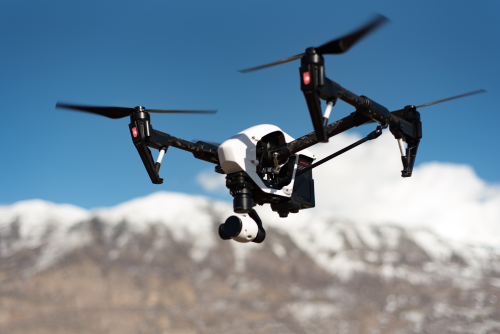
If you’re choosing between an under-250g drone and a larger camera drone, weight is only the starting point. The better buy depends on how often you’ll carry it, what footage or photos you need, how much regulatory friction you can tolerate, and how expensive your early mistakes might be. For many first-time buyers, a mini drone is the smartest entry point; for others, it becomes the wrong tool as soon as wind, client work, or image-quality expectations go up.
Quick Take
If you want the shortest answer to the under-250g drones vs larger camera drones decision, here it is:
- Buy an under-250g drone if you value portability, travel convenience, lower crash anxiety, and simple everyday flying more than maximum image quality or all-weather confidence.
- Buy a larger camera drone if you care about stronger wind performance, more consistent professional-looking footage, better low-light results, and a setup you are less likely to outgrow for paid work.
- Most beginners do better with under-250g, because they fly more often when the drone is easy to carry and less intimidating to launch.
- Most serious paid operators do better with larger drones, because clients usually care more about consistency than convenience.
- If you are unsure, think about your next 50 flights, not your dream use case. The drone you actually take with you often is usually more valuable than the one that looks better on paper.
Key Points at a Glance
| Factor | Under-250g drones | Larger camera drones |
|---|---|---|
| Best for | Beginners, travelers, casual creators, hikers, frequent flyers | Serious hobbyists, paid shooters, windy locations, higher-end output |
| Portability | Excellent | Good to moderate |
| Travel friendliness | Usually better | Usually worse due to size and kit bulk |
| Learning cost | Lower emotional and financial risk | Higher risk if crashed or damaged |
| Wind handling | Usually weaker | Usually stronger |
| Image quality headroom | Good to very good on modern models | Better overall, especially in harder light |
| Low-light performance | More limited | Usually stronger |
| Flight confidence | Easy to carry, but can feel light in wind | Often more planted and stable |
| Regulation impact | Sometimes fewer requirements in some countries | Often more admin, but verify locally |
| Commercial suitability | Possible, but depends on deliverables and rules | Usually better fit |
| Upgrade pressure | Can outgrow it faster | Longer runway before upgrading |
What “under-250g” and “larger camera drone” really mean
In practical buying terms, this is usually the difference between a mini-class folding camera drone and a mid-size or prosumer camera drone.
That weight line matters because many countries treat very light drones differently from heavier ones. But this is where buyers often get sloppy: under 250g does not mean unregulated, and it does not mean you can ignore airspace, privacy, local park rules, venue restrictions, or commercial requirements.
So treat the weight threshold as a buying advantage, not a legal loophole.
From a product perspective, the tradeoff is simple:
- Under-250g drones optimize for convenience.
- Larger camera drones optimize for performance and consistency.
Budget: the cheaper drone is not always the cheaper decision
A lot of buyers compare only the aircraft price. That is the fastest way to buy the wrong drone.
What actually belongs in your drone budget
Your real budget includes:
- Extra batteries
- A charger or charging hub
- Spare propellers
- Memory cards
- Case or bag
- Filters if you shoot video seriously
- Repair coverage or self-funded repair risk
- Insurance if you fly commercially or work for clients
- Editing storage and workflow costs
- Any training, registration, or compliance costs required where you fly
A larger drone usually raises all of those costs, not just the purchase price. Batteries are bigger, repairs are often pricier, and many pilots become more cautious about where and how often they fly because the stakes feel higher.
Where under-250g drones protect your budget
Under-250g drones usually make more sense when:
- You are buying your first drone
- You are unsure how committed you will be
- You want something you will actually carry on trips
- You are still learning basic flight discipline, framing, and exposure
- You want to keep damage and repair pain manageable
This is a big reason mini drones punch above their specs. They reduce the cost of experimentation. And for a beginner, flight hours matter more than theoretical capability.
Where larger camera drones save you money in the long run
A larger drone can still be the better value if you already know you need:
- Better results in wind
- Stronger low-light performance
- More grading flexibility in post-production
- Higher confidence for repeatable client work
- More advanced sensing or safety features
- A platform you will not outgrow in six months
If your end goal is professional real estate, tourism, brand work, construction progress, or higher-end social/video production, buying too small can create a false economy. You save money once, then spend again sooner than expected.
Goals: which drone fits the work you actually want to do?
The right answer changes fast depending on the mission.
Under-250g drones are usually better for these goals
1. Travel and everyday carry
If the drone has to fit into a day bag, hiking kit, bike pack, or carry-on without becoming a burden, the mini class wins. A drone you leave at home because it is bulky is a bad investment.
2. Learning aerial photography and video
Beginners usually improve faster with a smaller, lower-pressure drone. You will practice more often, experiment more freely, and hesitate less before launching.
3. Social content and casual creator work
If your main outputs are short-form video, YouTube B-roll, travel reels, vacation photos, and lightweight client social content, modern under-250g drones are often more than good enough.
4. Discreet shooting in sensitive environments
Smaller drones are easier to pack, faster to deploy, and often attract less attention. That does not make them invisible or automatically acceptable, but it can make a difference in practical field use.
5. “I want a drone with me, not a drone mission”
This is a real buyer category. Some people do not want to plan a full shoot day. They want a reliable flying camera they can use when a scene appears. That buyer is usually happier under 250g.
Larger camera drones are usually better for these goals
1. Serious landscape work
If you care about print-worthy stills, stronger dynamic range, better files for editing, and more consistency around sunrise, sunset, or contrast-heavy scenes, larger drones usually give you more creative headroom.
2. Windy or demanding environments
Coasts, ridgelines, open valleys, boats, and exposed urban rooftops can quickly expose the limits of very light drones. Larger camera drones generally hold position better and produce more stable footage when conditions are less forgiving.
3. Paid client work
You can absolutely do paid work with an under-250g drone in some markets and use cases. But if clients expect repeatable quality, efficient workflows, and confidence in mixed conditions, larger drones are usually the more dependable tool.
4. Video work that needs polish
If you care about smoother motion, more robust footage in changing light, and fewer compromises in post, larger camera drones tend to serve video specialists better.
5. Jobs that may expand in complexity
If you expect to move from hobby flying into commercial work, or from simple aerial clips into more demanding deliverables, a larger drone can give you more runway before your next upgrade.
Buyer profile: which type fits you best?
| Buyer type | Better fit | Why |
|---|---|---|
| First-time drone buyer | Under-250g | Lower risk, easier to carry, more likely to fly often |
| Frequent traveler | Under-250g | Better packing, easier day-to-day portability |
| Hiking and outdoor creator | Under-250g | Weight and space matter more than maximum performance |
| Social media creator | Under-250g | Fast setup, good-enough quality for many platforms |
| Real estate beginner | Depends | Under-250g can work, but larger is stronger for consistency |
| Landscape photographer | Larger | Better image quality and wind confidence |
| Solo videographer | Larger | Better footage consistency and growth potential |
| FPV pilot adding a camera drone | Depends | Mini for scouting/travel, larger for polished client shots |
| Commercial operator | Larger | Better fit for reliability, output, and client expectations |
| Enterprise or inspection team | Larger or specialized | Usually need features beyond consumer mini-class drones |
Learning curve: easier to start is not the same as easier to master
This is the most misunderstood part of the decision.
Under-250g drones are easier to start with because:
- They are less intimidating
- They are easier to carry, so you practice more
- Crashes usually feel less financially devastating
- The kit is simpler and lighter
Larger camera drones can feel easier in the air because:
- They often handle wind better
- They may feel more stable and planted
- They may include more advanced sensing and flight assistance
- They can produce smoother-looking footage with less effort
So which has the easier learning curve?
- For getting started: under-250g
- For handling more demanding conditions: larger camera drone
- For becoming a disciplined pilot: either one, if you train properly
If you are truly new, the biggest learning advantage is not size. It is repetition. The drone that gets you more safe launches, more landings, more framing practice, and more honest post-flight review is the one that teaches faster.
Safety, legal, and compliance realities you should not ignore
This comparison touches regulated flight activity, so the safest advice is also the most practical: verify before you fly.
Weight matters in many jurisdictions, but it is only one piece of the compliance picture. Before buying or traveling with any drone, check the rules that apply in the places you plan to fly, including:
- Whether the drone or operator must be registered
- Whether you need a pilot certificate, training, or competency test
- Whether remote ID or similar electronic identification rules apply
- Airspace restrictions near airports, cities, infrastructure, or events
- National park, heritage site, beach, or protected-area restrictions
- Privacy and filming rules
- Commercial permissions or insurance requirements
- Airline battery carriage rules for travel
- Any customs or temporary import questions if crossing borders
A few global truths are worth remembering:
- Under 250g does not mean “no rules.”
- Commercial use can trigger separate requirements even for small drones.
- Local land managers and venues can restrict takeoff or operations even where aviation rules allow flight.
- Wildlife, crowds, and urban privacy risks matter regardless of drone size.
From a safety standpoint, smaller drones can reduce some impact risk, but they are not toys. Poor judgment with a light drone is still poor judgment.
What people get wrong
“Under-250g is always the smarter buy”
Not if you regularly fly in wind, shoot in difficult light, or need files that can survive serious editing.
“Larger drones are only for professionals”
Not true. A committed hobbyist who values image quality and stability may be happier skipping the mini step entirely.
“A bigger drone is harder to learn”
Sometimes yes on confidence, but often no in flight feel. A larger drone may actually feel calmer and more predictable in the air.
“A small drone is always enough for paid work”
Sometimes it is. Sometimes it absolutely is not. If your clients judge quality on large screens, expect low-light coverage, or want reliable output in variable conditions, the mini class may become a limitation.
“I’ll just buy small now and upgrade later”
That can be smart, but only if your near-term use case matches the smaller drone. If you already know you want professional deliverables, upgrading later can cost more than buying correctly once.
“One drone can do everything”
One drone can do a lot. It usually cannot be the perfect travel drone, perfect low-light landscape drone, perfect wind machine, and perfect commercial workhorse at the same time without compromise.
A simple decision framework
If you want to decide in 10 minutes, use this checklist.
Choose an under-250g drone if most of these are true
- This is your first drone.
- You care about portability more than peak performance.
- You will travel with it often.
- Your main outputs are social, travel, family, or casual creator content.
- You want lower financial stress while learning.
- You expect to fly in fair weather most of the time.
- You are not depending on it for demanding client work right away.
Choose a larger camera drone if most of these are true
- You already know you are serious about aerial imaging.
- You often fly in windy, coastal, mountain, or exposed conditions.
- You care about image quality in a more critical way.
- You plan to shoot paid work or client-facing deliverables.
- You want a platform with more long-term headroom.
- You are comfortable with a larger total system cost.
- You are willing to handle more operational and compliance friction if needed.
If you are split right down the middle
Ask yourself one final question:
Will I regret missing a shot because I left the drone behind, or because the footage was not good enough?
- If the first regret is more likely, buy under-250g.
- If the second regret is more likely, buy larger.
FAQ
Is an under-250g drone always exempt from registration or licensing?
No. In some places, lighter drones face fewer requirements, but in others you may still need registration, training, remote ID compliance, or restrictions based on where and how you fly. Always check the relevant aviation authority and local rules.
Are larger camera drones always better for image quality?
Usually they offer more image-quality headroom, especially in low light or demanding scenes, but “better” depends on your output. For travel clips, social content, and casual creator work, a modern under-250g drone may already be enough.
Which is better for a complete beginner?
Usually an under-250g drone. It is easier to carry, less intimidating to launch, and less financially painful if you make mistakes. That said, some larger drones may feel steadier in the air.
Can I use an under-250g drone for paid work?
Sometimes, yes. It can be enough for certain real estate, tourism, social, and light commercial jobs. But the legal requirements, client expectations, insurance needs, and output quality standards still need to be checked carefully.
Which type is better for travel?
Under-250g almost always wins on travel convenience. It is easier to pack, easier to justify carrying every day, and often easier to integrate into a lightweight travel workflow. You still need to verify airline battery rules and destination drone laws.
Will I outgrow an under-250g drone too quickly?
That depends on your goals. If you are mainly flying for travel, fun, and everyday content, you may not outgrow it for years. If you are moving into client work, low-light photography, or demanding environments, you may feel the limits sooner.
Should I buy small first and upgrade later?
It is a smart path if you are still discovering how often you will fly and what you enjoy shooting. It is a bad path if you already know you need more wind performance, better files, or stronger commercial reliability.
Is it worth owning both?
For some pilots, yes. A mini drone can be the travel and scouting tool, while a larger drone handles high-value shoots. But if you are buying your first drone, it is usually smarter to choose the one that fits your main use case and build from there.
The decision most buyers should make
If your budget is tight, your experience is limited, and your main goal is to learn, travel, and actually fly often, start with an under-250g drone. If your work will happen in tougher conditions, your standards are higher, or you already know you are building toward serious photo or video results, go straight to a larger camera drone.
Buy for the pilot you will be over the next year, not the one you imagine five years from now. The right drone is the one that fits your workflow, your risk tolerance, and the quality bar you genuinely need.