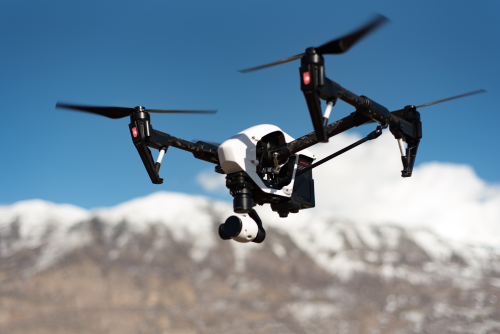
If you’re asking what is the best drone for agriculture, the honest answer is: it depends on the job. Crop scouting, field mapping, and spraying are very different workflows, and the best farm drone for one can be a bad purchase for another. For most buyers, the smartest first step is not the biggest drone, but the one that solves a real farm problem with the least complexity.
Quick Take
There is no single “best” agriculture drone for everyone. The right answer usually falls into one of four lanes:
- Best low-risk starter for most farms: a reliable RGB camera drone for scouting, irrigation checks, storm damage, fence lines, and basic field awareness
- Best all-round data tool: a multispectral mapping drone with good software support, especially if you want repeatable crop-health maps
- Best for very large-area mapping: a fixed-wing mapping platform, if you have the acreage and workflow to justify it
- Best for spraying or spreading: a dedicated agricultural drone such as a DJI Agras- or XAG-class system, but only if you have training, support, compliance, and enough work to keep it productive
A simple way to choose:
| If your real goal is… | Best drone type to buy first | Typical budget reality | Best fit for |
|---|---|---|---|
| Visual crop checks, irrigation, livestock infrastructure, storm damage | RGB camera drone | Low to medium | Beginners and small farms |
| Repeatable field maps, stand counts, drainage issues, field comparison | RGB mapping drone with automation and RTK options | Medium | Intermediate users |
| Plant health indices, prescription planning, agronomy reporting | Multispectral quadcopter | Medium to high | Agronomists, consultants, serious growers |
| Spraying or spreading inputs | Dedicated ag spray/spread drone | High to very high | Advanced operators, co-ops, service teams |
The best agriculture drone depends on the job
Before comparing brands or models, define the output you actually need. Agriculture drones generally create value in three ways: seeing, measuring, or applying.
1. Scouting and inspection
This is the easiest place to start.
A standard camera drone can help you:
- check crop emergence and visible stress
- inspect irrigation lines, pivots, canals, and drainage
- assess storm, flood, heat, or wind damage
- inspect fences, access roads, tree lines, and field edges
- monitor livestock infrastructure or remote farm assets
- quickly compare sections of a field without walking the entire area
For this job, an RGB drone is often the best value. RGB just means a normal color camera. You do not need a spray drone or a specialized research platform to spot obvious issues.
What matters most here:
- good image quality
- stable flight in wind
- enough battery time to cover the property efficiently
- obstacle sensing if you work around trees, orchards, poles, or buildings
- easy transport and fast deployment
If you only want a drone to make farm decisions faster, this is often the right starting point.
2. Mapping and crop health analysis
This is where agriculture drone buying gets more serious.
If you need to create a stitched overhead field map, compare fields over time, or produce crop-health layers for agronomy decisions, you are in mapping territory. At that point, a generic hobby drone may still work for basic RGB maps, but a purpose-built mapping setup usually saves time and improves consistency.
There are two main levels:
RGB mapping
RGB mapping is still useful in agriculture. It can reveal:
- stand gaps
- erosion and drainage patterns
- tire damage
- lodged crops
- weed pressure in visible form
- canopy uniformity
- field access and water issues
For RGB mapping, a drone with a mechanical shutter is a big advantage because it reduces image distortion during flight. RTK, which stands for real-time kinematic positioning, can also help if you need more accurate and repeatable maps.
A drone like the DJI Mavic 3 Enterprise sits in this lane: practical, portable, and capable for professional RGB mapping.
Multispectral mapping
Multispectral cameras capture more than normal visible light. That lets software create vegetation layers such as NDVI and similar plant-health indices. In plain English, those layers can help you see stress patterns that may not be obvious in a regular image.
A multispectral drone makes the most sense when you need to:
- compare field vigor over time
- identify areas that need scouting on foot
- support variable-rate decisions
- provide agronomy reports for clients
- standardize farm monitoring across multiple fields or seasons
One of the strongest all-round examples in this category is the DJI Mavic 3 Multispectral. It is not the only valid option, but it is a well-known reference point because it combines relatively easy deployment with agriculture-focused data capture.
Important limit: multispectral does not automatically tell you why a crop is stressed. It tells you where to look. You still need agronomic interpretation.
3. Spraying and spreading
This is a separate buying category.
If your goal is to apply crop protection products, foliar inputs, seed, or granular material from the air, you need a dedicated ag drone. A camera drone is not a substitute, and this is not a beginner purchase.
Spray and spread drones bring a different set of requirements:
- payload tank or hopper
- pump and nozzle system
- terrain following over uneven ground
- reliable battery rotation and fast charging
- chemical-safe cleaning and maintenance
- refill workflow in the field
- trained crew and safety discipline
This is where systems such as DJI Agras or XAG P-series usually enter the conversation.
These aircraft can be productive, but they are only “best” when the whole operation makes sense. In agriculture, the aircraft is just one part of the system. You are really buying:
- the drone
- batteries
- chargers and power setup
- software
- transport
- spare pumps, nozzles, and wear parts
- training
- maintenance process
- local dealer support
If you do not have those pieces lined up, a spray drone can become an expensive headache.
4. Large-acreage mapping
If you need to map a lot of land efficiently, fixed-wing aircraft deserve attention.
A fixed-wing drone generally covers more area per flight than a multirotor. That can matter for large farms, large consulting territories, or research projects. Examples in this lane include platforms such as WingtraOne GEN II and other enterprise fixed-wing mapping systems.
Fixed-wing advantages:
- more efficient coverage
- better fit for large, open areas
- strong option for service providers and enterprise teams
Fixed-wing tradeoffs:
- more operational complexity
- less convenient in small or broken-up fields
- harder around trees, obstacles, or tight launch and recovery spaces
- often higher total system cost
For orchards, vineyards, mixed terrain, or smaller fragmented properties, multirotors are often the better practical choice.
Best agriculture drone by budget
Prices vary by country, tax, dealer package, and software, so treat these as broad system bands, not live shelf prices. In agriculture, the total system matters more than the bare-aircraft price.
| Budget band | What you can realistically buy | Best for | Main risk |
|---|---|---|---|
| Under about $2,000 | Entry RGB scouting drone plus a few batteries | Small farms, visual checks, learning | Too little capability for serious mapping or wind-heavy conditions |
| About $2,000 to $8,000 | Better RGB mapping kit or entry multispectral setup in some markets | Growers moving into repeatable field data | Underestimating software, training, and workflow costs |
| About $8,000 to $25,000 | Serious multispectral system or enterprise mapping package; some fixed-wing setups start here | Consultants, research teams, larger operations | Buying advanced sensors without enough use or interpretation skill |
| $25,000 and up | Dedicated spray/spread system with batteries and field support gear | Co-ops, contractors, high-use farm teams | Buying the aircraft before solving compliance, charging, and refill logistics |
Under about $2,000: best for visual scouting
This is the budget for a basic first farm drone.
What you can do well:
- inspect fields after weather events
- check irrigation and drainage
- review visible crop issues
- inspect farm assets and access
- learn safe operations without major financial risk
What you should not expect:
- robust enterprise mapping
- accurate repeatable agronomy deliverables
- spraying or spreading
- strong performance in very windy, open farmland from the lightest drones
If you’re shopping in this band, prioritize:
- wind handling over tiny size
- spare batteries over premium accessories
- a reliable app and easy flight planning
- local repairability
A common regret here is buying the lightest possible drone and then discovering that open farmland is often windy.
About $2,000 to $8,000: best for serious scouting and RGB mapping
This is where agriculture drone buying starts to become professional.
This band suits:
- growers who want repeatable field maps
- agronomists starting a drone workflow
- service providers testing demand before going bigger
- teams that want better image quality and more reliable mission planning
What improves in this band:
- better cameras
- better stability
- better automation
- stronger mapping workflow
- more accurate positioning options
- more durable operations
A practical buyer in this range should compare two paths:
-
Better RGB mapping setup – good for visual analysis and basic orthomosaics – easier to justify if you do not need multispectral data yet
-
Entry multispectral package – better if crop-health mapping is the real goal – only worth it if you will actually use those outputs
If you’re not sure, a strong RGB mapping drone is often the safer buy.
About $8,000 to $25,000: best for multispectral and enterprise mapping
This range makes sense when the drone will support decisions, clients, or repeated farm management workflows.
It is a good fit for:
- agronomy consultants
- research teams
- enterprise farm groups
- service providers covering many fields
- growers who already know what data they need
What you are really paying for here:
- sensor quality
- repeatability
- workflow efficiency
- accuracy
- software integration
- better support options
This is also where fixed-wing systems start to make sense if coverage efficiency matters more than convenience.
The biggest mistake in this band is paying for advanced data that nobody on the team knows how to interpret or act on.
$25,000 and up: best for spraying and spreading
This is not really a “drone budget” anymore. It is an operational system budget.
Expect to budget for:
- aircraft
- multiple batteries
- charging equipment or field power
- spare wear parts
- chemical-safe maintenance gear
- personal protective equipment
- software and planning tools
- training
- transport
- downtime support
Spray drones can create strong value where labor is tight, field access is difficult, or targeted treatment matters. But the business case depends heavily on local regulation, crop type, field size, refill logistics, and utilization.
If the drone will only fly occasionally, the economics can disappoint quickly.
Best agriculture drone by skill level
Skill level in agriculture is not just about how well you can fly manually. It is also about planning, maintenance, data handling, safety, and decision-making.
Beginner: start with scouting, not spraying
If this is your first farm drone, the best choice is usually:
- an RGB drone for scouting
- or a simple automated RGB mapping platform
Why this is the right start:
- lower cost
- lower compliance burden
- easier learning curve
- faster return on useful information
- less maintenance complexity
Beginners often overestimate how much they need multispectral or application capability. In reality, many farms get immediate value from simply seeing more of the property faster.
Intermediate: move into repeatable mapping
You’re in the intermediate tier if you are comfortable with:
- autonomous flight missions
- image capture consistency
- map processing
- reading field outputs critically
- maintaining a repeatable workflow
This is the stage where drones like the Mavic 3 Enterprise or Mavic 3 Multispectral make sense.
You will get the most from this level if you already know what farm question the map is supposed to answer.
Advanced: spray systems, fixed-wing, and client work
Advanced users and teams can justify:
- fixed-wing mapping platforms
- multisensor workflows
- spray or spread systems
- multi-battery field operations
- standard operating procedures
- maintenance logs and crew roles
At this level, local dealer support becomes a major buying factor. Downtime during a narrow crop window is expensive.
Features that matter more than marketing
A lot of agriculture drone marketing focuses on the aircraft. Smart buyers focus on the workflow.
For scouting drones
Prioritize:
- wind stability
- image quality
- ease of launch and recovery
- enough batteries for real field work
- obstacle sensing if operating around trees or structures
- decent zoom if you inspect infrastructure or livestock areas
Do not overpay for advanced sensors if your actual need is simply faster visual awareness.
For mapping drones
Prioritize:
- mechanical shutter for cleaner mapping images
- RTK or PPK support if you need accuracy and repeatability
- reliable mission planning
- consistent overlap and terrain handling
- software compatibility for processing and export
- clear workflow from field capture to actionable map
If you plan to compare fields over time, repeatability matters more than flashy specs.
For multispectral drones
Prioritize:
- sensor consistency
- sunlight calibration support
- good agronomy software compatibility
- repeatable missions at the same altitude and timing
- team ability to interpret the output
The drone is only half the purchase. The other half is whether the data fits your agronomy workflow.
For spray and spread drones
Prioritize:
- terrain following on uneven ground
- nozzle and flow-control options
- easy cleaning and maintenance
- strong battery and charging ecosystem
- spare parts availability
- dealer service response
- safe refill and transport process
Ignore inflated “headline productivity” claims unless the seller can show a realistic field-day workflow with your terrain, crops, and refill cycle.
For every agriculture drone buyer
Always ask:
- How fast can I get parts?
- Who handles repairs locally?
- What software subscription is required?
- How many batteries do I actually need for a normal day?
- What training is included?
- What does the workflow look like after data capture?
- Can my team use the output without adding a bottleneck?
Safety, legal, and compliance risks to check before you buy
Agriculture drones do not operate in a legal vacuum. Rules vary widely by country, and spraying adds another layer of regulation.
Before buying, verify with the relevant aviation and agricultural authorities in your area:
- aircraft registration requirements
- pilot qualification or licensing requirements
- airspace restrictions and operating limits
- rules for automated missions, night operations, or flights beyond visual line of sight
- any remote identification or electronic visibility requirements
- insurance expectations, if applicable
If you plan to spray or spread, also verify:
- whether drone-based aerial application is allowed
- whether the specific product label permits that method
- any drift-control, waterway, or environmental protection rules
- recordkeeping requirements
- worker safety and chemical handling obligations
- local buffer or exclusion requirements near people, roads, or sensitive areas
Also consider operational risk:
- strong winds and thermal activity over open land
- power lines, towers, and trees
- dust, moisture, and corrosive chemical exposure
- battery storage, charging, and transport
- large battery shipping restrictions if you move equipment between regions
The safe, legal drone is the only useful drone.
Common mistakes agriculture drone buyers make
Buying a spray drone too early
A spray system looks productive on paper, but if you lack trained staff, legal clarity, or enough acreage to justify it, the purchase can stall fast.
Confusing “nice images” with agronomy value
Pretty aerial photos do not automatically improve farm decisions. Make sure the drone’s output connects to a real operational use.
Assuming multispectral always beats RGB
Sometimes a good RGB mapping workflow is enough. Multispectral is powerful, but only if you will use it consistently and interpret it correctly.
Ignoring total cost of ownership
The aircraft is rarely the full budget. Batteries, chargers, software, training, repairs, and downtime usually decide whether the purchase feels smart six months later.
Choosing ultra-light drones for windy farm work
Portability is nice. But open farmland often exposes the limits of very small drones.
Skipping local support
For agriculture, local support often matters more than small savings on the purchase price. This is especially true for spray drones and enterprise mapping systems.
Expecting one drone to do everything
Most serious operations end up separating roles:
- one drone for scouting or mapping
- another system for spraying or spreading
Trying to force one platform into every job usually creates compromise.
Bottom-line recommendations by buyer profile
If you want the shortest possible buying answer, here it is.
If you are a first-time farm buyer
Buy a solid RGB scouting drone first.
Why:
- lowest risk
- fastest learning curve
- immediately useful
- cheaper to maintain
- helps you discover whether you really need mapping or multispectral next
If you want the best all-round agriculture data drone
Buy a multispectral quadcopter with strong local support.
A platform such as the DJI Mavic 3 Multispectral is one of the clearest all-round choices when your goal is repeatable crop-health monitoring without stepping up to a larger fixed-wing system.
If you cover large areas and need mapping efficiency
Consider a fixed-wing mapping platform such as WingtraOne GEN II or a similar enterprise option.
Best for:
- larger acreage
- service providers
- research and enterprise workflows
Skip it if your fields are small, broken up, or surrounded by obstacles.
If your goal is application, not observation
Buy a dedicated spray/spread system from a dealer with strong local training and service, such as a DJI Agras or XAG ecosystem.
Do not buy based on payload alone. Buy based on:
- service network
- battery workflow
- compliance path
- refill process
- crew training
- parts availability
FAQ
Can a regular camera drone be used for agriculture?
Yes. For visual scouting, irrigation checks, storm assessment, drainage review, and basic RGB mapping, a standard camera drone can be very useful. It just will not replace specialized multispectral or spray systems.
Do I need a multispectral drone to monitor crop health?
Not always. A multispectral drone is most valuable when you need repeatable plant-health layers over time and will act on that data. Many farms should start with RGB scouting or RGB mapping first.
Is one drone enough for both mapping and spraying?
Usually no. Mapping and spraying are different workflows with different hardware needs. Serious operations often use separate systems.
What is better for agriculture: fixed-wing or multirotor?
Use multirotor for flexibility, smaller fields, orchards, fragmented land, and easier deployment. Use fixed-wing when large-area coverage efficiency is the top priority.
Do I need RTK for an agriculture drone?
Not for simple scouting. But if you need more accurate, repeatable maps, especially over time or across multiple fields, RTK can be a worthwhile feature.
How many batteries should I budget for?
More than most first-time buyers expect. Ask the seller to show a realistic day-in-the-field plan, including charging time, travel time, refills, and downtime. A cheap drone with too few batteries is not a productive farm tool.
Should I buy online or through a local dealer?
For entry-level scouting, either can work if support is solid. For multispectral, enterprise mapping, and especially spray drones, local dealer support is usually worth more than a small upfront discount.
Do I need a license to use an agriculture drone?
In many places, yes, or at least some form of registration, qualification, or operational approval. Requirements vary widely. Always verify with your local aviation authority, and if spraying is involved, also with the relevant agricultural or pesticide regulator.
The smart buy
The best drone for agriculture is the one that matches your actual field task, your budget, and your team’s ability to use the output. If you are unsure, start with the lowest-complexity drone that solves a real weekly problem, then upgrade only when the workflow proves it. In farm drone buying, the smartest purchase is rarely the most impressive aircraft. It is the system you can fly safely, support locally, and turn into better decisions fast.