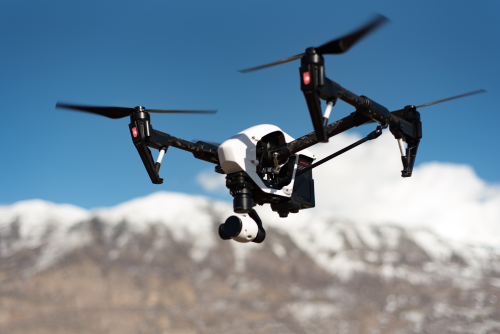
Camping changes what “best drone” means. The right drone for a campsite is not the one with the biggest camera or the longest spec sheet; it is the one you can pack, charge, launch safely, and fly legally without turning a quiet evening into a hassle. For most people, the best drone for camping trips is a lightweight camera drone with true GPS stabilization, reliable return-to-home, and a charging setup that works from a car, power bank, or portable power station.
Quick Take
If you want the short answer to “what is the best drone for camping trips?”, here it is:
- For most campers, a sub-250 g folding camera drone is the best fit.
- If you want the safest and most complete premium option, a model like the DJI Mini 4 Pro is the strongest all-round choice.
- If you want better value, the DJI Mini 3, DJI Mini 4K, or Potensic Atom-class drones make more sense than jumping to a bigger aircraft.
- If you mostly want easy self-filming around camp, very small self-flying drones like the DJI Neo or HoverAir X1-series can work, but they are not the best only drone for landscapes.
- If you regularly camp in windy coastal, mountain, or desert areas, a larger drone like the DJI Air 3 class may be worth the extra bulk.
- If you are an FPV pilot, a DJI Avata 2-type drone can be fun on trips, but it is usually a second drone, not the best first camping purchase.
Best fit by buyer type
| Buyer type | Best drone type | Good real-world examples | Why it fits camping | Main downside |
|---|---|---|---|---|
| First-time buyer | Basic GPS mini drone | DJI Mini 4K, Potensic Atom SE | Easy to carry, simple to fly, lower cost | Limited safety aids, weaker in wind |
| Casual travel creator | Midrange or premium mini | DJI Mini 3, DJI Mini 4 Pro, Potensic Atom | Best balance of size, image quality, battery life, portability | Still not great in strong wind or rain |
| Road-trip photographer | Larger foldable camera drone | DJI Air 3 | Better wind handling, more camera flexibility | Bigger bag, louder, usually more regulatory friction |
| Self-filming camper | Ultra-simple selfie drone | DJI Neo, HoverAir X1-series | Fast setup, low learning curve, fun around camp | Not ideal for serious landscape work |
| Experienced FPV pilot | Cinewhoop-style FPV drone | DJI Avata 2 | Immersive footage, dynamic action shots | Steeper learning curve, louder, less beginner-friendly |
A quick but important note: “sub-250 g” often reduces regulatory burden in some countries, but it does not mean “legal everywhere.” Campsites, parks, and protected areas often have their own restrictions, so always verify both aviation rules and local site rules.
What makes a drone good for camping trips?
A campsite is not an empty soccer field. You may have trees, dust, uneven ground, wind funnels, wildlife, nearby people, and limited charging options. That changes the buying decision.
The best camping drone usually has these traits:
1. Lightweight and genuinely portable
If a drone is too bulky, you will leave it in the car or skip packing it entirely.
For hiking, backpacking, bikepacking, or flights where every gram matters, a lightweight folding drone is usually the right answer. Even for car camping, smaller matters because it is quicker to deploy and less annoying to store.
2. Real GPS stability and return-to-home
For camping, avoid toy-grade drones that drift, struggle to hover, or rely only on basic optical positioning.
You want:
- Stable hovering in normal outdoor conditions
- GPS lock before takeoff
- Reliable return-to-home
- A trustworthy companion app
- Clear battery and signal warnings
This is the difference between a tool and a frustration.
3. Charging that works off-grid
A camping drone is only as useful as your charging plan.
Before buying, check whether the batteries and charging hub can be topped up from:
- USB-C
- A car charger
- A power bank
- A portable power station
For many campers, charging convenience matters more than squeezing out the last bit of image quality.
4. Good enough wind handling
Campgrounds near lakes, ridgelines, beaches, and open desert can get gusty fast. Ultralight drones are convenient, but they are not magic.
If you routinely camp in windy areas, you may be happier with a slightly larger drone even if it costs you pack space. Many buyers regret choosing the smallest possible drone for harsh environments.
5. A quiet enough, low-drama flying experience
Camping is a shared environment. Loud drones attract attention and can irritate other campers fast.
A smaller conventional camera drone is usually more campsite-friendly than a larger drone or FPV setup. Noise should be part of your buying decision, not an afterthought.
6. Camera features that match your actual use
Most camping buyers do not need cinema-grade specs. They need footage that looks good in mixed light, sunsets, forests, lakes, and wide landscape scenes.
Useful camera priorities include:
- Good daylight image quality
- Reliable stabilization
- Vertical video if you post to social platforms
- RAW photo support if you edit stills
- Decent dynamic range for sunrise and sunset scenes
If you mostly want to record camp setup, hiking starts, fishing spots, or family clips, convenience may matter more than the last 10 percent of image quality.
7. Easy repair and spare parts support
Camping trips are hard on gear. Props get chipped. Cases get crushed. Dust gets everywhere.
A drone with easy-to-find spare propellers, batteries, and support is usually a better travel buy than an obscure model with impressive paper specs.
The best drone for camping trips by budget
Prices move over time, and bundles vary by region, so it is smarter to buy by budget band than by a single exact number.
Entry budget: buy a real mini, not a toy
If you are shopping at the lower end, the smartest move is usually a simple GPS mini drone from a reputable brand.
Strong options in this band often include:
- DJI Mini 4K
- Potensic Atom SE
- Similar entry-level sub-250 g GPS camera drones
These are best for:
- First-time buyers
- Casual campsite and landscape clips
- Car campers who want low cost and low hassle
- Travelers who mainly fly in good daylight
What you give up:
- Better low-light performance
- Strong obstacle sensing
- More advanced tracking
- Better wind confidence
- Premium photo and video flexibility
The key rule here is simple: do not buy a very cheap non-GPS drone for camping unless you fully understand the limitations. It may be fine as a toy, but it is usually the wrong travel purchase.
Mid budget: the sweet spot for most campers
This is where most people should shop.
Drones in this band often include:
- DJI Mini 3
- Potensic Atom
- Similar midrange mini drones
This budget works well for:
- Beginners who want room to grow
- Travel creators
- Campers who care about both portability and footage quality
- Buyers who do not want a large case or heavier setup
Why this tier is so appealing:
- Better image quality than basic entry models
- Better app and flight experience
- Better battery ecosystem
- Still easy to pack
- Less intimidating than larger drones
If you are buying one drone mainly for camping, road trips, and general travel, this is usually the safest value tier.
Premium mini budget: best overall for most people
If you want the best camping drone without stepping up into larger, heavier aircraft, premium mini drones make the strongest case.
The standout example is:
- DJI Mini 4 Pro
Why this class is so good for camping:
- Excellent portability
- Strong image quality for travel and landscape work
- More advanced safety and automation features than cheaper minis
- Better long-term ownership satisfaction for frequent users
This is the tier I would point most serious non-professional campers toward if they want one drone that does nearly everything well.
Who should pay for this tier:
- Travelers who fly often
- Buyers who want maximum ease and confidence
- Creators who want better editing latitude
- People who know they will keep the drone for years
Who should not:
- Very occasional users
- Buyers who mostly want simple selfie clips
- Anyone stretching beyond a comfortable budget just to get a higher model number
Higher budget or specialist budget: when a larger or different drone makes sense
If you want more wind performance, more camera flexibility, or a very specific filming style, you may need something beyond the mini class.
Examples include:
- DJI Air 3 for more serious travel and stronger wind handling
- DJI Avata 2 for FPV-style camping footage
- DJI Neo or HoverAir X1-series for ultra-simple personal capture
These make sense if:
- You car camp or overland and bag size matters less
- You regularly shoot in windy places
- You specifically want action-style or self-follow footage
- You already know what style you want
They do not make sense if:
- You mostly hike with your gear
- You want the quietest, lowest-friction campsite setup
- You are still learning the basics
- You want one drone that is easy in almost every normal travel scenario
Best drone for camping trips by skill level
Budget matters, but skill level changes what “best” really means.
If you are a complete beginner
Buy a small conventional camera drone with GPS, stable hovering, and easy automated takeoff and landing.
Best fit:
- DJI Mini 4K
- DJI Mini 3
- Potensic Atom-class options
Avoid as your first camping drone:
- FPV drones
- Very cheap toy drones
- Large drones “just in case”
- Specialized self-flying drones as your only aerial camera
Why: as a beginner, you want to learn framing, battery management, takeoff discipline, and wind judgment. A normal mini drone teaches those skills without overwhelming you.
If you are a beginner who also cares about content quality
If you know you want better footage and plan to edit your content, step up to a stronger mini sooner rather than later.
Best fit:
- DJI Mini 3
- DJI Mini 4 Pro
These are good for:
- Social content
- Scenic road trips
- Family travel
- Campground B-roll
- Sunrise and sunset landscape shots
You will appreciate the better image quality and smoother overall experience long before you care about more niche specs.
If you are already comfortable flying
Once you know how to manage wind, launch surfaces, line of sight, and battery reserve, you can buy more for the environments you actually visit.
Choose a premium mini if you value:
- Portability
- Lower hassle
- Easier travel
- More discreet flying
Choose a larger drone like the Air 3 class if you value:
- Better wind handling
- More cinematic flexibility
- Road-trip use over backpack use
- Shooting from a wider variety of terrain and weather conditions
If you are an FPV pilot
If you already fly FPV, a camping trip can be a great place for immersive footage. But it is worth being honest: FPV is not the most campsite-friendly format.
A drone like the DJI Avata 2 can be excellent for:
- Dynamic trail footage
- Action sequences
- Creative terrain runs
- Experienced pilots who know how to manage risk
But it is less ideal for:
- Quiet campgrounds
- Crowded scenic viewpoints
- Beginners
- One-drone-only travel kits
For many FPV pilots, the best camping setup is actually two devices: a small camera drone for landscapes and an FPV drone for specific action shots.
The five features that matter most on a camping trip
If you are comparing product pages and feel stuck, narrow the decision to these five questions.
How far are you carrying it?
- Backpacking or hiking: stay as light as possible
- Car camping or RV trips: you can consider a larger drone
- Mixed travel: a mini is usually safest
How windy are your usual destinations?
- Forest campgrounds: mini drones are usually fine
- Coasts, mountains, deserts, ridgelines: consider a stronger drone or accept more weather limits
Do you want landscapes or self-filming?
- Landscapes: buy a conventional stabilized camera drone
- Self-filming around camp: a Neo or HoverAir-style drone can be fun
- Both: a premium mini is the better all-round buy
How much safety help do you want?
If you are anxious flying near trees, paying more for a better flight system and stronger safety features can be money well spent. Just remember: no sensor system replaces judgment, especially around branches, wires, uneven light, or narrow takeoff areas.
How will you charge it?
This is where many camping buyers make the wrong call.
Before you buy, picture the real trip:
- Are you charging from your car each day?
- Are you relying on a small power bank?
- Do you have a power station in the vehicle?
- Will your phone and controller also need charging?
A drone with convenient charging and affordable spare batteries is often the better camping drone, even if another model wins on pure specs.
Safety, legal, and campsite etiquette checks
Camping and drone flying both involve shared spaces and local rules. Combine them, and you need to be extra disciplined.
Verify these before every trip
- Check national or local aviation rules for your drone’s weight class and intended use.
- Check whether registration, pilot training, or electronic identification rules apply in your location.
- Check airspace restrictions for the specific campsite or nearby area.
- Check park, campground, reserve, or landowner rules. A place may allow camping but still prohibit drone takeoff and landing.
- Check wildlife sensitivity, fire-risk restrictions, and emergency aircraft activity.
Camping-specific safety habits
- Do not launch near tents, children, pets, picnic areas, or roads.
- Avoid flying early or late if low light makes tree branches and wires harder to judge.
- Do not fly near wildfire operations, rescue activity, or helicopters.
- Keep well clear of wildlife, especially birds and nesting areas.
- Use a clean launch area so props do not ingest dust, sand, or loose grass.
- Never assume a lake, valley, or scenic overlook is legal just because it looks empty.
Also remember: most popular camera drones are not waterproof. If the forecast is questionable, leave the drone packed.
Common mistakes buyers make
1. Buying a toy drone for a serious travel job
If the drone cannot hold position reliably outdoors, it is not a camping tool.
2. Assuming sub-250 g means “fly anywhere”
It may reduce some regulatory burden, but it does not override airspace rules, protected area rules, or campground policies.
3. Buying too big, then leaving it behind
A larger drone may be better on paper, but the best camping drone is the one you actually carry and use.
4. Underestimating charging needs
Two extra batteries and a good charging plan often improve a trip more than upgrading to a bigger drone.
5. Choosing FPV first because it looks exciting
FPV can be incredible, but it is usually the wrong first camping drone for beginners.
6. Trusting obstacle sensors too much
Sensors help, but thin branches, backlighting, dark scenes, and narrow gaps still catch pilots out.
7. Forgetting the human side of flying at camp
Even a legal flight can be the wrong flight if it disturbs people nearby. Good drone etiquette matters.
A simple buying checklist
If you want a decision in five minutes, use this checklist.
Buy a mini drone if most of these sound like you
- I hike to some of my campsites
- I want one drone for travel, camping, and general use
- I care about low hassle
- I want quieter, simpler flights
- I want the best balance of portability and quality
Buy a larger drone if most of these sound like you
- I mostly car camp or overland
- I often camp in windy terrain
- I want more camera flexibility
- Bag size is not a big issue
- I am comfortable with more setup and more attention
Buy a selfie drone only if most of these sound like you
- I mainly want myself or my group in the shot
- I care more about speed and convenience than cinematic landscapes
- I want ultra-low learning curve
- I am okay with image and wind limitations
Buy FPV only if most of these sound like you
- I already fly FPV or plan to train seriously
- I want action footage, not just scenic shots
- I understand the added noise, complexity, and operating discipline
- This will not be my only travel drone unless I know exactly why
FAQ
Is a sub-250 g drone always the best choice for camping?
For most people, yes. It is easier to pack, usually easier to travel with, and often easier from a regulatory standpoint. But if you camp in consistently windy places, a larger drone may be the better tool.
Can I fly a drone in a campground or national park?
Maybe, maybe not. You must verify both aviation rules and local land management or campground rules. Many parks and protected areas restrict or ban drone operations even when general airspace is not obviously restricted.
Is obstacle avoidance necessary for camping?
Not strictly, but it is helpful. Trees, uneven ground, and confined launch areas make camping a good use case for better safety features. Still, you should never rely on sensors alone.
What is better for camping: a normal camera drone or a selfie drone?
A normal camera drone is better if you want landscapes, scenic reveals, and more control. A selfie drone is better if you want quick personal clips and the easiest possible setup. For most buyers, a conventional mini drone is the better only-drone choice.
How many batteries do I need for a camping trip?
For most campers, three total batteries is a practical starting point. That gives you enough flying without turning battery management into a constant problem. Your charging plan matters just as much as the number of batteries.
Should I buy FPV for camping videos?
Only if you already know you want FPV and are ready for the learning curve. FPV is exciting, but it is louder, more specialized, and less forgiving than a normal camera drone.
Can I charge drone batteries from a power bank or car?
Often yes, but not always in the same way across different models. Check the exact charging method, hub requirements, and power input before you buy. This matters a lot for off-grid camping.
What accessories matter most for camping?
Prioritize these first:
- Extra batteries
- Spare propellers
- A compact case
- A practical charger or charging hub
- A way to top up from car power or a portable power source
ND filters, fancy cases, and other extras come later.
The decision most buyers should make
If you want one confident answer, buy a lightweight mini camera drone with GPS, reliable return-to-home, and an easy off-grid charging setup. For most campers, that is the best balance of portability, safety, image quality, and real-world usefulness.
If your budget allows, a premium mini like the DJI Mini 4 Pro is the strongest all-round camping drone. If you want better value, a DJI Mini 3, DJI Mini 4K, or Potensic Atom-class option is the smarter buy. Only move up to a larger drone or FPV setup if your locations, skills, and filming style clearly justify it.