
Introduction
Severe hip pain can make every single step feel like a heavy burden. When daily walks or simple chores become too painful, medical care can help you get your life back. Many patients now explore hip replacement surgery abroad to find skilled doctors and manage costs. You might also want to look into total hip replacement surgery options overseas. This article explores expenses, hospital choices, and expert surgeons. You will learn how to plan your healthcare safely and make smart decisions for your long-term mobility.
Understanding Hip Joint Wear And Tear
Your hip is a flexible ball-and-socket joint that supports your body weight. Over time, the smooth cartilage inside the joint can wear away completely. This damage often happens due to arthritis, injury, or natural aging. When the protective cushion disappears, bone rubs directly against bone.
This friction creates deep stiffness and sharp discomfort. Simple actions like getting out of bed or climbing stairs turn into daily challenges. Doctors usually try conservative treatments first. They might recommend physical therapy, anti-inflammatory medicines, or lifestyle adjustments. If these methods fail to bring relief, surgery becomes a reliable option to restore your movement.
What Is Total Hip Replacement Surgery?
Total hip replacement surgery is a standard and effective medical procedure. The orthopedic surgeon removes the damaged bone and cartilage from your hip joint. They replace these worn parts with artificial components made to mimic natural movement.
How The Artificial Joint Functions
The new man-made parts work together smoothly to eliminate painful friction. A durable ball fits securely inside a matching cup. This design lets your leg swing and rotate naturally without sharp aches.
Types Of Implants And Materials
Surgeons use various medical-grade materials for artificial joints. Common choices include metal, hard plastic, and ceramic components. Your specialist will choose the right implant based on your age, bone density, weight, and everyday activity levels.
Exploring Hip Replacement Surgery Abroad
A growing number of individuals travel to other nations for medical care. They seek high-quality clinical services alongside reasonable pricing. This popular trend is known as medical tourism for hip replacement.
Traveling for a medical procedure requires thorough planning and organization. You must evaluate the safety standards of foreign facilities. It is also wise to understand local travel rules, visa requirements, and post-operative care plans.
Finding Affordable Hip Replacement Surgery
Medical expenses can be extremely high in certain parts of the world. Because of this, patients frequently search for affordable hip replacement surgery in alternative destinations. Lower prices do not automatically indicate poor medical standards. Many countries feature advanced hospitals with highly trained specialists who operate at lower regional costs.
Factors That Shape Treatment Expenses
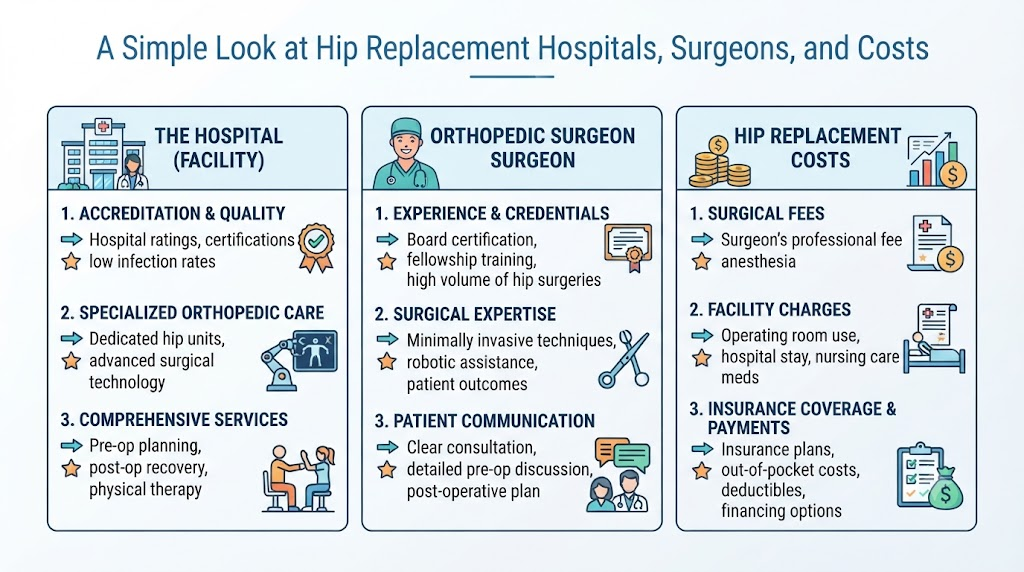
Several variables influence the overall price of an overseas medical journey. Reviewing these elements helps you build an accurate budget.
| Expense Element | What It Entails | Why It Matters |
| Hospital Charges | Fees for operating rooms and inpatient bedding. | Forms a large part of facility costs. |
| Surgeon Fees | Compensation for the primary orthopedic specialist. | Reflects professional skill and experience. |
| Implant Selection | Specific artificial joint materials used. | Premium materials can influence total bills. |
| Inpatient Stay | Number of nights spent recovering at the clinic. | Extended stays increase room charges. |
| Pharmacy Costs | Prescribed medicines for pain and infection defense. | Essential for safe post-surgical healing. |
| Travel Logistics | Airfares, local transit, and hotel accommodations. | Contributes to the overall trip budget. |
Comparing Hip Replacement Cost By Country
Medical prices vary widely depending on the region you choose. When studying hip replacement cost by country, look past the initial surgical quote. You must include lodging, meals, and return flights in your calculations. Some international clinics provide all-inclusive treatment packages. These bundles often combine airport transfers, hospital care, and recovery hotel stays. Always request a detailed itemized bill to avoid unexpected financial surprises.
Choosing The Best Country For Hip Replacement Surgery
No single country stands out as the best country for hip replacement surgery for every traveler. Your ideal choice depends on your personal budget, travel preferences, and medical needs.
- Verify that the destination maintains strict hospital safety regulations.
- Look for regions with convenient flight routes from your home airport.
- Ensure that doctors and clinical staff communicate fluently in your language.
- Confirm that local recovery centers provide reliable rehabilitation services.
- Review entry visas and documentation rules for medical visitors.
Locating The Best Hospitals For Hip Replacement
The quality of your recovery depends heavily on your chosen treatment facility. Look for medical centers that uphold respected international standards.
- Global Accreditations: Confirm that independent bodies have certified the facility for safety.
- Specialized Orthopedic Care: Choose clinics that perform high volumes of joint operations annually.
- Infection Control: Inquire about rigorous sanitation protocols in surgical units.
- Modern Equipment: Ensure the hospital uses advanced diagnostic and surgical technology.
- Rehabilitation Support: Check if dedicated nursing teams help patients walk early after surgery.
Platforms like HIPHospitals can assist patients in researching medical centers, comparing global options, and understanding international care standards.
Working With Skilled Hip Replacement Surgeons
The physician performing your procedure is vital to your recovery success. Take time to research your surgeon’s professional background thoroughly.
- Review where the specialist completed their medical education and orthopedic fellowship.
- Ask how many successful hip procedures they perform each year.
- Check their active memberships in recognized medical associations.
- Schedule a consultation to ensure they listen carefully to your concerns.
A qualified specialist will clearly explain potential risks and set realistic expectations for your healing process.
Using A Medical Tourism Company
Organizing an overseas medical trip independently can feel overwhelming. Many patients decide to partner with a specialized medical tourism company to simplify the process. These organizations serve as a helpful link between you and international clinics.
What A Coordinator Can Manage
- Help gather and securely transmit your medical records to overseas physicians.
- Gather transparent price estimates from verified treatment centers.
- Reserve appropriate hotel rooms and arrange local transportation.
- Secure professional interpreters if language barriers exist.
Always investigate a coordinator’s track record and read authentic feedback before signing contracts or transferring funds.
Preparing For Your Medical Journey
Proper preparation ensures your surgical experience proceeds smoothly. Begin organizing your schedule several weeks before departure.
- Medical Evaluation: Undergo a comprehensive exam with your primary doctor to confirm your heart and lungs are strong.
- Quit Smoking: Stopping tobacco use accelerates bone healing and lowers infection risks.
- Home Modifications: Remove tripping hazards like loose rugs and arrange a comfortable sleep space on your ground floor.
- Packing Essentials: Bring loose garments, supportive footwear, and all necessary medical files.
Recovery And Rehabilitation After Surgery
Healing demands patience, dedication, and consistent physical effort. Your body needs proper rest to rebuild bone tissue around the new implant.
- Early Mobility: Clinical staff will encourage you to stand and take gentle steps shortly after the operation.
- Rehabilitation Exercises: Follow your physical therapist’s stretching and strengthening routines every day.
- Pain Management: Take prescribed medications punctually to keep discomfort under control.
- Ongoing Monitoring: Keep in touch with your local physician or overseas surgeon to review your healing progress.
Frequently Asked Questions
How many years do modern artificial hips typically last?
Most high-quality artificial joints function well for fifteen to twenty years or longer with proper care.
Can I fly back home immediately after my operation?
No, doctors usually require a one-to-two-week recovery window abroad to inspect your incision before air travel.
Will I need walking aids during early recovery?
Yes, patients generally rely on a walker or crutches for the first few weeks to maintain safe balance.
Is hip replacement surgery an extremely painful procedure?
You will experience soreness, but medical teams provide effective medications to manage pain throughout recovery.
How can I send my medical scans to an overseas hospital?
You can easily digitize your X-rays and medical notes to share them securely via email or patient portals.
What are the potential risks of hip replacement?
Risks can include blood clots or minor infections, though medical teams take extensive steps to prevent them.
When is it safe to resume driving a vehicle?
Most people can drive again around six weeks post-surgery, once leg strength and reflexes recover.
Should I follow a special diet during recovery?
Consuming nutritious foods rich in protein and calcium supports faster bone and muscle repair.
Is it possible to replace both hips simultaneously?
Some surgeons perform bilateral procedures, though this depends entirely on your overall fitness and heart health.
How do I know the right time for surgery?
If persistent hip pain disrupts your sleep and restricts daily walking, consult an orthopedic specialist.
Final Thoughts
Deciding to address chronic hip discomfort is a transformative choice that can dramatically improve your everyday life. Living with constant joint pain drains your energy, but modern orthopedic care offers proven methods to restore your physical freedom. Taking time to evaluate your options thoroughly ensures you feel secure and well-prepared at every turn. Whether you choose treatment near home or decide to explore international options through reputable resources like HIPHospitals, careful planning paves the way for success. Maintain open communication with your medical team, ask detailed questions about implants and recovery, and set steady goals for your rehabilitation. With patience, dedication, and professional support, you can look forward to a vibrant, pain-free future.
