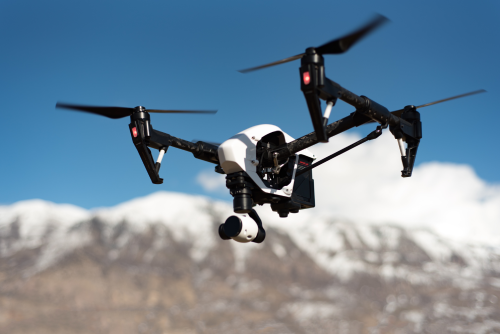
DJI Flip is an active DJI consumer multirotor listed as a camera drone on the official manufacturer site. It is aimed at buyers who want an accessible aerial imaging platform rather than a heavy industrial or racing machine. What makes it notable is its placement inside DJI’s mainstream consumer lineup, although many hard specifications still need to be verified before making a purchase decision.
That positioning matters more than it may seem at first glance. In the drone market, a product is not judged only by flight time, top speed, or camera resolution. Buyers also care about controller quality, software reliability, ease of setup, spare-part access, resale value, and the confidence that comes from buying into a mature ecosystem. DJI has long been one of the most recognized names in that space, so even a lightly documented model can draw serious attention if it appears as an active product in the company’s consumer range.
This article therefore takes a careful approach. It focuses on what is clearly established, avoids inventing specifications that are not confirmed in the supplied source material, and adds practical buying context for shoppers who are comparing DJI Flip with better-documented alternatives.
Quick Summary Box
- Drone Name: DJI Flip
- Brand: DJI
- Model: DJI Flip
- Category: Consumer camera drone
- Best For: Aerial imaging, casual flying, and buyers who prefer DJI’s consumer ecosystem
- Price Range: Not publicly confirmed in supplied data
- Launch Year: Not publicly confirmed in supplied data
- Availability: Not publicly confirmed in supplied data
- Current Status: Active
- Overall Rating: Not rated due to limited confirmed data
- Our Verdict: A potentially appealing DJI camera drone for everyday users, but buyers should verify the full spec sheet and price before choosing it over better-documented alternatives
Introduction
The DJI Flip sits in the consumer drone space, with DJI positioning it as a camera-focused multirotor. That means it is likely intended for hobbyists, travelers, casual creators, and first-time buyers who want stable hovering and aerial video rather than specialized industrial payload work. Since the confirmed record is limited, this page focuses on what is known, what can be reasonably inferred from the segment, and what shoppers still need to confirm directly with DJI or authorized sellers.
This is an important distinction. Many drone buyers scan marketing pages quickly, see a recognizable brand, and assume the product will fit the same role as other models in the lineup. But consumer drones can differ dramatically in practical use even when they come from the same manufacturer. Some are optimized for the lightest possible travel use. Some are more creator-oriented and focused on quick social-media capture. Others justify a higher price through stronger obstacle sensing, longer range, or better camera hardware. Without a complete verified specification sheet, the DJI Flip should be evaluated as a promising current-platform option, not as a guaranteed substitute for every other DJI model.
Another useful way to frame it is this: DJI Flip appears relevant because of where it sits in the market, not because every performance detail is already established here. If you are the kind of buyer who values convenience, setup simplicity, polished flight software, and mainstream support, that alone may make Flip worth researching. If you are making a purely technical buying decision based on exact measured performance, you will need to confirm much more before spending money.
Overview
What kind of drone is it?
DJI Flip is a consumer multirotor camera drone from DJI, a Chinese manufacturer best known for mainstream camera drones and creator-focused flight platforms. As a multirotor, it is designed for vertical takeoff, hovering, and precise low-speed positioning, which are core traits for photography and casual flying.
That multirotor classification is central to understanding the product. Unlike fixed-wing drones, which are generally more efficient over distance but less convenient for hovering, a multirotor is built around control and stability. It can stop in place, make careful framing adjustments, and launch from relatively tight spaces where a runway-style takeoff would be impossible. For a buyer whose main goal is capturing landscapes, family moments, travel clips, or smooth establishing shots, that matters far more than raw aerodynamic efficiency.
The “camera drone” label is equally important. It suggests that the central experience is not racing, freestyle acrobatics, or carrying specialized equipment. Instead, the likely focus is making aerial capture approachable for ordinary users. Even when exact camera and stabilization details are still unverified in the source material available for this article, the design intent is clearly different from industrial survey platforms or high-speed FPV aircraft.
Who should buy it?
This model is most likely relevant to:
- Buyers comparing current DJI consumer drones
- Casual aerial photographers and video creators
- Hobbyists who want a stable, easy-to-fly platform
- Travelers and lifestyle users, if the final size and weight suit their needs
- New pilots who prefer a mainstream brand with broad consumer support
To expand on that, DJI Flip may be especially interesting to people who value low-friction flying. That means buyers who do not want to build a drone, tune it, troubleshoot compatibility between third-party components, or learn a highly specialized flight style just to get usable footage. Many consumers simply want a drone that powers on, connects predictably, holds its position well, and captures stabilized footage with minimal setup. DJI’s broader consumer reputation has been built around exactly that kind of experience.
It may also appeal to gift buyers or occasional users. A product in this category can be attractive not because the owner plans to fly every week, but because they want a dependable device for holidays, road trips, hikes, family gatherings, scenic overlooks, and occasional creative projects. In that context, ease of transport, fast setup, and simple app guidance can matter more than extreme performance.
What makes it different?
What stands out most right now is not a confirmed headline specification, but its positioning: DJI Flip is an active DJI camera drone in the consumer market. That alone matters, because DJI products are often evaluated not just on airframe specs but also on app quality, controller integration, repair access, and resale confidence. The exact features that separate Flip from other DJI models are not publicly confirmed in the supplied data, so buyers should treat it as a current-platform option rather than assume it matches a Mini, Neo, or FPV product one-for-one.
In practice, “different” can mean several things:
- Lineup role: It may fill a specific gap in DJI’s range rather than compete directly with every existing model.
- Ease-of-use emphasis: It could be designed to lower the barrier to entry for casual fliers.
- Portability or convenience priorities: It may aim for a stronger everyday-carry proposition than larger, more feature-heavy alternatives.
- Bundle or workflow differences: Sometimes the product distinction is not only in the aircraft itself, but in how it is controlled, what accessories are available, and how quickly a new user can get airborne.
Because those details are still incomplete in the confirmed record used here, the safe conclusion is that DJI Flip is noteworthy primarily because it is a current consumer DJI camera drone—not because it has already proven itself superior to established models on paper.
Key Features
- Consumer camera-drone positioning on the official manufacturer site
- Multirotor airframe for hovering, steady framing, and straightforward takeoff/landing
- DJI-branded ecosystem, which usually appeals to buyers who want a polished consumer experience
- Active status, suggesting it is part of DJI’s current product lineup
- Camera-focused design intent rather than heavy-payload or industrial mission use
- Likely optimized for usability and stabilized imaging, though camera and gimbal details are not publicly confirmed in supplied data
- Likely operated through a DJI controller and/or mobile workflow, though exact controller and app compatibility are not publicly confirmed in supplied data
- Weight, range, speed, endurance, and obstacle-sensing depth are not publicly confirmed in supplied data
Those feature points may look modest, but they still tell us something meaningful. For a consumer buyer, a drone’s value is often defined by a combination of accessibility, image stability, and ownership simplicity. A camera-led DJI product usually enters the conversation because users expect a relatively polished workflow compared with less established brands or DIY setups.
What is missing, however, is just as important as what is present. At the moment, there is no verified basis here for promising long endurance, advanced tracking, high-resolution professional-grade capture, premium obstacle avoidance, or regulatory advantages tied to a specific takeoff weight. That gap does not make the drone bad; it simply means the product must be assessed with more caution than a fully documented platform.
A smart way to read the key-feature list is this: Flip currently looks promising in category fit and ecosystem relevance, but not yet in fully proven spec-sheet superiority.
Full Specifications Table
| Field | Specification |
|---|---|
| Brand | DJI |
| Model | DJI Flip |
| Drone Type | Consumer multirotor camera drone |
| Country of Origin | China |
| Manufacturer | DJI |
| Year Introduced | Not publicly confirmed in supplied data |
| Status | Active |
| Use Case | Aerial imaging and general consumer flying |
| Weight | Not publicly confirmed in supplied data |
| Dimensions (folded/unfolded) | Not publicly confirmed in supplied data |
| Max Takeoff Weight | Not publicly confirmed in supplied data |
| Battery Type | Not publicly confirmed in supplied data |
| Battery Capacity | Not publicly confirmed in supplied data |
| Flight Time | Not publicly confirmed in supplied data |
| Charging Time | Not publicly confirmed in supplied data |
| Max Range | Not publicly confirmed in supplied data |
| Transmission System | Not publicly confirmed in supplied data |
| Top Speed | Not publicly confirmed in supplied data |
| Wind Resistance | Not publicly confirmed in supplied data |
| Navigation System | Not publicly confirmed in supplied data |
| Obstacle Avoidance | Not publicly confirmed in supplied data |
| Camera Resolution | Not publicly confirmed in supplied data |
| Video Resolution | Not publicly confirmed in supplied data |
| Frame Rates | Not publicly confirmed in supplied data |
| Sensor Size | Not publicly confirmed in supplied data |
| Gimbal | Not publicly confirmed in supplied data |
| Zoom | Not publicly confirmed in supplied data |
| Storage | Not publicly confirmed in supplied data |
| Controller Type | Not publicly confirmed in supplied data |
| App Support | Not publicly confirmed in supplied data |
| Autonomous Modes | Not publicly confirmed in supplied data |
| Payload Capacity | Not publicly confirmed in supplied data |
| Operating Temperature | Not publicly confirmed in supplied data |
| Water Resistance | Not publicly confirmed in supplied data |
| Noise Level | Not publicly confirmed in supplied data |
| Remote ID Support | Not publicly confirmed in supplied data |
| Geo-fencing | Not publicly confirmed in supplied data |
| Certifications | Not publicly confirmed in supplied data |
| MSRP / Launch Price | Not publicly confirmed in supplied data |
| Current Price | Not publicly confirmed in supplied data |
The specification table above is deliberately conservative. It avoids filling gaps with estimates, rumors, or assumptions borrowed from other DJI products. That is the right approach if you are using this page to make a real purchase decision.
For shoppers, the main takeaway is that the unknowns are practical unknowns, not minor footnotes. Weight affects registration and travel convenience. Flight time affects how many batteries you need. Camera details affect whether the drone is suitable for professional editing or just casual sharing. Controller compatibility affects your total cost. In other words, the missing fields directly influence whether DJI Flip is the right drone for you.
Before purchasing, it would be wise to verify at least these core items from an official listing or trusted retailer:
- Total takeoff weight
- Battery endurance per charge
- Video resolution and frame-rate options
- Sensor size and stabilization method
- Controller bundle details
- Storage format and memory card requirements
- Obstacle sensing coverage, if any
- Return-to-home and automated flight support
- Local warranty and parts availability
Design and Build Quality
Because DJI Flip is a consumer multirotor, the most reasonable expectation is a lightweight airframe built around portability, ease of transport, and camera stability rather than industrial ruggedness. DJI’s consumer drones are generally known for clean industrial design, molded composite structures, and travel-friendly packaging, but the supplied data does not confirm the Flip’s materials, folded size, propeller protection, or field durability.
A few practical design questions matter here:
- Is it foldable or fixed-frame?
- Does it use exposed props or some form of prop protection?
- Is the camera mounted on a true mechanical gimbal?
- How easy is it to replace props, landing components, or the battery?
Those details strongly affect travel use, beginner-friendliness, and repair cost. Since they are not confirmed in the supplied data, buyers should review the official product images and parts catalog before assuming a specific build style.
Design quality in a consumer drone is not just about aesthetics. It affects the entire ownership experience. A well-thought-out design should make the drone easy to carry, quick to deploy, and intuitive to maintain. For example, a highly portable airframe is valuable only if the props are easy to secure, the gimbal is adequately protected during transport, and the batteries can be swapped without awkward fumbling in the field. A compact body is attractive, but not if it leads to fragile arms or awkward cooling behavior.
For beginners, propeller layout and protection matter more than many buyers realize. Drones intended for casual use are often flown in parks, on trips, or in locations where setup space is limited. If a design offers some level of protection for the props, it may reduce the chance of minor contact damage during takeoff, landing, or low-speed mistakes. If it uses exposed propellers, that does not automatically make it unsuitable; it simply means pilot caution becomes even more important.
Another build-quality issue is serviceability. Some drones are easy to live with because wear items are simple to replace and official parts are easy to identify. Others are frustrating because even a minor bump can lead to a long repair cycle or expensive component replacement. Since the supplied data does not confirm the Flip’s repairability, prospective buyers should check:
- Whether propellers are standard user-replaceable items
- Whether batteries are commonly stocked
- Whether the gimbal has a transport cover or lock
- Whether arm, shell, or landing component damage is likely to require full factory service
- Whether official accessories exist for safe storage and transport
Build quality also includes controller ergonomics, even though the controller itself is not yet confirmed here. A drone can be technically capable but still less enjoyable if the control workflow is clumsy, the phone mounting solution is awkward, or the screen visibility is poor outdoors. If multiple bundle options exist, the controller may be one of the biggest real-world differences between them.
Flight Performance
From the confirmed record, the safest conclusion is that DJI Flip is intended for the typical strengths of a consumer camera multirotor: stable hovering, easy directional control, and predictable handling for photo and video work. That usually translates into smooth low-speed flight rather than aggressive acrobatics.
What cannot be fairly judged yet are the numbers that usually define day-to-day performance:
- Flight time
- Top speed
- Wind resistance
- Video transmission range
- Signal system quality
- Maximum ceiling
- Takeoff weight
In practical terms, this means any performance analysis has to stay conservative. It is reasonable to expect a flight character aimed at beginners and creators, but it is not reasonable to promise strong wind behavior, long-range confidence, or exceptional endurance without verified specs. Indoor suitability also remains unclear, since obstacle sensing, prop protection, and size are not publicly confirmed in the supplied data.
Even so, it helps to understand how these factors affect real-world flying.
Flight time is one of the most misunderstood specs in drone buying. Manufacturer figures are often measured under ideal conditions: low wind, controlled speed, and conservative flying patterns. Actual usable time is always lower. For a camera drone, what matters is not only how long it stays in the air, but how much of that time remains after ascent, positioning, framing, and a safe return margin. If DJI Flip turns out to have modest endurance, many owners will need extra batteries immediately.
Wind performance is another critical reality check. A consumer drone can feel excellent in calm weather and frustrating in gusts. Smaller and lighter drones are usually easier to carry, but they may also be less confidence-inspiring when conditions deteriorate. If you live near coasts, mountains, open water, or exposed rural areas, published wind-resistance guidance is not a minor spec—it is a key purchase consideration.
Transmission quality also deserves attention. Range figures often dominate marketing, but practical control confidence depends on more than distance. You want a stable live view, clean signal behavior in moderate interference, low enough latency for precise framing, and predictable reconnection or return behavior if the link is lost. A well-tuned transmission system can matter more than a theoretical maximum range that most users should never approach.
Beginner handling is likely to be one of Flip’s biggest strengths if it follows the pattern of DJI’s consumer platforms. That means smooth stick response, stable position hold, manageable takeoff and landing behavior, and sensible safety prompts. For many buyers, that matters more than peak speed. A drone that behaves calmly and predictably is easier to trust, easier to learn on, and less likely to intimidate occasional users.
Practical performance questions to verify
Before buying, consider asking:
- How does the drone perform in moderate wind rather than ideal weather?
- Is the flight time figure realistic for video use, or only for gentle test conditions?
- Does it have enough speed to return comfortably against wind?
- How strong is the live video feed in urban interference?
- Is there a beginner mode or low-speed setting for first flights?
- What happens during signal loss—hover, land, or return to home?
These answers tell you far more about actual usability than a single marketing number.
Camera / Payload Performance
The most important confirmed point is that DJI Flip is a camera drone. That places imaging at the center of its value proposition, even though the critical camera details are not publicly confirmed in the supplied data.
Before buying, these are the camera questions that matter most:
- Sensor size
- Photo resolution
- Video resolution
- Frame-rate options
- Dynamic range and color profile options
- Low-light behavior
- Gimbal stabilization format
- Internal storage or removable media support
- Zoom capability, if any
If Flip follows the usual consumer DJI formula, it is likely meant for casual aerial photos, travel footage, and stabilized everyday video rather than interchangeable-payload work. There is no confirmed evidence in the supplied data that it supports external payloads, mapping sensors, thermal modules, or delivery hardware. In other words, this should be treated as a camera-led platform first, not a payload carrier.
That said, “camera drone” can cover a wide range of quality levels. Some drones are ideal for simple social clips and scenic snapshots but limited for serious editing. Others offer enough image quality for client work, color grading, and more demanding production use. Without the exact specs, buyers should think in terms of intended output:
- Social media and casual sharing: Even modest camera hardware can be sufficient if your priority is quick, stabilized footage viewed mainly on phones.
- Travel and personal projects: A better sensor and cleaner stabilization become more important if you want footage that holds up on larger screens.
- Commercial or serious creative work: Resolution alone is not enough. You also need to know bit rate, color depth, dynamic range, and whether the footage remains clean in varied light.
Sensor size matters because it strongly influences image quality beyond raw megapixels. A larger sensor typically handles dynamic range and lower light better, produces cleaner detail, and gives more flexibility in editing. If you plan to shoot around sunrise, sunset, forest shade, or mixed lighting, this is one of the first things to verify.
Frame-rate options are important if you want slow motion or smoother motion capture. Buyers interested in sports, motion-heavy outdoor scenes, or cinematic editing should not assume those options are present without confirmation.
Gimbal design can be just as important as the camera sensor itself. Mechanical stabilization often makes the difference between footage that looks polished and footage that looks merely acceptable. A camera can have impressive resolution on paper, but if the stabilization system is limited, the final result may still feel amateurish.
Storage workflow also affects usability. Internal storage can be convenient as a backup, especially for casual users who occasionally forget a memory card. Removable media is more flexible for higher-volume shooting and faster offloading. The right choice depends on your workflow, but you should know what the drone supports before purchase.
Because no confirmed payload-support information is available in the supplied data, buyers should assume DJI Flip is not a specialized mission platform. If your needs include surveying, multispectral agriculture, thermal inspection, search-and-rescue imaging, or heavy accessory integration, you should look to enterprise-class products instead.
Smart Features and Software
DJI’s broader consumer ecosystem often includes app-based setup, flight telemetry, return-to-home logic, automated capture modes, and guided safety prompts. However, the supplied data does not publicly confirm which of those features are actually present on DJI Flip.
Buyers should verify the following before purchase:
- Return-to-home behavior
- Subject tracking or follow modes
- Waypoints or route planning
- Automated cinematic modes
- App compatibility
- Controller compatibility
- Firmware update process
- Onboard storage management
- Remote ID support
- Any SDK or third-party workflow access
This is especially important if you are choosing between Flip and another DJI model, because the software and automation layer often matters almost as much as raw camera specs.
In many ways, software is what separates a merely functional drone from a pleasant one. A polished app can make first-time setup far easier, explain airspace or safety warnings clearly, guide the user through calibration when needed, and make transfer or editing workflows more convenient. For casual buyers, this may be more valuable than an incremental hardware advantage.
Several software-related factors deserve extra attention:
Return-to-home and failsafe behavior
A good consumer drone should have predictable recovery behavior when battery gets low or signal is interrupted. You want to know whether it can automatically return, whether the altitude is configurable, and how much control the pilot retains during the process. These are safety features, not luxury extras.
Automated capture modes
Many buyers do not manually pilot every shot. They rely on quick automated clips, orbit-style moves, reveal shots, or subject-centered sequences. If DJI Flip includes such options, they could significantly increase its appeal to beginners and content creators. If it does not, that may push some shoppers toward better-documented alternatives.
App maturity and device compatibility
A drone can be physically excellent but frustrating if the app experience is inconsistent. Before buying, check whether your phone or tablet is supported, whether firmware updates require a specific operating system version, and whether there are any regional restrictions that affect functionality.
Editing and transfer workflow
For casual creators, a simple transfer path from drone to phone matters a lot. If the product supports easy previewing, wireless transfer, or streamlined sharing tools, that can make it more useful in day-to-day life than a technically superior drone with a more cumbersome workflow.
Advanced user limitations
If you are a power user, the questions change. Does the drone expose useful metadata? Does it support route planning? Is there any form of SDK or third-party integration? Can footage settings be tuned in a meaningful way, or is it mostly a fixed consumer experience? Those details determine whether the platform grows with you or feels restrictive after a few months.
Use Cases
Based on its confirmed consumer camera-drone positioning, the most realistic uses for DJI Flip are:
- Casual aerial photography
- Social media and travel video
- Recreational flying
- Learning basic camera-drone operation
- Family and outdoor lifestyle footage
- Scenic landscape capture where legal and safe
- Lightweight creator workflows that do not require industrial sensors
It is not currently well documented enough in the supplied data to recommend for mapping, thermal inspection, public safety work, or heavy commercial payload missions.
To make those use cases more concrete:
Casual aerial photography is likely one of the best fits. This includes vacation photos, elevated perspectives of parks or coastlines, and occasional overhead shots that would be impossible from the ground.
Travel and social video could be another strong role if the drone proves compact and simple to pack. A product in this class is often attractive to travelers who want quick setup at scenic stops rather than a large kit with multiple cases and complex accessories.
Learning camera-drone basics may be especially relevant. New pilots usually need a drone that behaves predictably, lets them focus on orientation and composition, and does not overwhelm them with complex mission workflows on day one.
Family and lifestyle capture is a common but often overlooked use case. Many consumers are not building a channel or a business—they simply want occasional high-angle footage of outdoor gatherings, hikes, beaches, camping trips, or seasonal events. Ease of use matters a lot in that context because these users may fly infrequently.
Where it appears less suitable, based on the limited confirmed information, is in specialized professional work. If a buyer needs survey accuracy, thermal overlays, repeatable inspection routes, or payload flexibility, this profile offers no basis for recommending Flip as that kind of tool.
Pros and Cons
Pros
- Active DJI-listed consumer camera drone
- Multirotor design is well suited to hovering and stable framing
- DJI is one of the best-known names in the consumer drone market
- Likely easier for mainstream users than DIY or FPV-focused platforms
- Camera-drone positioning makes it relevant to hobbyists and creators
- Potentially strong ecosystem value if paired with DJI’s usual app and controller experience
These advantages are mostly about trust, usability, and category fit. Even without a complete spec sheet, a DJI consumer product tends to attract attention because buyers expect a polished baseline experience. That expectation alone can be meaningful if you are trying to avoid the unpredictability that sometimes comes with lesser-known brands.
Cons
- Core specifications are not publicly confirmed in supplied data
- Price is not publicly confirmed in supplied data
- Camera quality cannot be properly judged from confirmed information alone
- Flight time, range, speed, and wind performance remain unverified here
- Weight is unknown, which matters for registration and travel planning
- Obstacle avoidance and software feature depth are not publicly confirmed in supplied data
These downsides are not minor caveats. They go directly to the heart of value. A drone can look attractive in concept, but if pricing lands too close to a better-documented alternative, or if weight pushes it into a less favorable regulatory class, the buying recommendation can change quickly. Until those facts are clear, DJI Flip remains a product to verify rather than a product to blindly assume.
Comparison With Other Models
Because the confirmed DJI Flip data is limited, the comparison below is positioning-based rather than a strict numerical spec shootout.
| Model | Price | Flight Time | Camera or Payload | Range | Weight | Best For | Winner |
|---|---|---|---|---|---|---|---|
| DJI Flip | Not publicly confirmed in supplied data | Not publicly confirmed in supplied data | Consumer camera drone | Not publicly confirmed in supplied data | Not publicly confirmed in supplied data | Buyers interested in a current DJI consumer camera drone | Depends on verified specs and bundle pricing |
| DJI Neo | Generally lower-entry consumer positioning | Short-form casual-use class | Creator/selfie-oriented camera drone | Short-to-mid consumer class | Very light beginner-oriented class | First-time flyers and simple social content | Neo for ease and low-friction entry |
| DJI Mini 4 Pro | Premium consumer positioning | Strong mainstream travel-drone class | Advanced consumer camera package | Long-range consumer class | Ultralight travel class | Buyers wanting a more fully documented premium option | Mini 4 Pro for confirmed high-end consumer features |
| DJI Mini 3 | Value-oriented older consumer positioning | Mainstream travel-drone class | Capable everyday aerial camera platform | Mainstream consumer class | Ultralight travel class | Budget-conscious buyers willing to buy older hardware | Mini 3 for value |
The key point here is that Flip is not yet the obvious winner in any one category based on confirmed information alone. Instead, it sits in a “maybe” zone where final price, portability, camera quality, and software depth will determine whether it is a smarter buy than the alternatives.
DJI Flip vs a close competitor
Against DJI Neo, the key question is whether Flip offers meaningfully better imaging, more control options, or broader everyday usefulness. Until the Flip spec sheet is fully confirmed, Neo remains the easier comparison point for buyers who care most about simplicity and low-friction creator use.
If your priority is the most approachable path into aerial content, a lighter-entry product can be attractive even if it is less capable overall. The challenge for Flip is proving that it adds enough practical value—whether through image quality, control precision, or expanded flight features—to justify choosing it instead.
DJI Flip vs an alternative in the same segment
Against DJI Mini 4 Pro, Flip has a harder job. Mini 4 Pro is a better-documented premium consumer choice, so Flip needs either better value, simpler everyday use, or a very compelling portability proposition to stand out.
This is where documentation matters. Mini 4 Pro already has a known place in the market. Buyers understand its strengths and tradeoffs. For Flip to beat that kind of product, it would need a clear reason: lower cost, easier spontaneous use, a better beginner story, or a package that feels more practical for casual users who do not need every premium feature.
DJI Flip vs an older or previous-generation option
Against DJI Mini 3, Flip will need to justify itself through current-generation convenience, updated software experience, or better practical usability. If Mini 3 is heavily discounted in your market, the value comparison becomes especially important.
Older DJI models often remain attractive because they are proven, widely reviewed, and frequently discounted. That means Flip cannot rely on “newer” alone. It must make sense in terms of ownership value, not just lineup freshness.
Manufacturer Details
DJI is the manufacturer and brand behind DJI Flip. The company is headquartered in China and is widely recognized as one of the most influential names in the global drone industry. DJI built its reputation through consumer camera drones, handheld gimbals, enterprise platforms, and imaging-related hardware and software.
In this case, the brand and manufacturer are the same: DJI designs, markets, and supports products under the DJI name. The company is especially strong in consumer and prosumer flight platforms, where it is often judged on ease of use, stabilization quality, app maturity, and broad product ecosystem support.
For buyers, the manufacturer matters because it shapes the total ownership experience. DJI’s reputation does not guarantee that every model is the right one for every person, but it does mean the company is not entering the market as an unknown startup with a thin support network. That can be reassuring for buyers who want firmware updates, established user communities, and a relatively mature accessory ecosystem.
It also means expectations are higher. Consumers tend to assume a certain standard of software polish, flight stability, and imaging usability from DJI products. If DJI Flip is being considered alongside other consumer drones, it will be measured not only against external competitors but also against DJI’s own history.
Support and Service Providers
For a consumer DJI model, buyers should normally expect support through the official support portal, official repair intake channels, and authorized service options where available. Spare items such as propellers, batteries, chargers, and carrying accessories are often important to ownership cost, but exact Flip accessory coverage should be verified by region.
Practical support checks before buying:
- Confirm local warranty terms
- Check whether your country has official or authorized repair coverage
- Verify battery and charger availability
- Confirm turnaround times for repair
- Review spare-part pricing
- Check whether an accident-protection plan is available in your market
DJI also benefits from a large user community, which can help with setup questions and troubleshooting, but community advice should not replace official safety guidance.
Support quality often becomes important only after something goes wrong. A crash, gimbal error, swollen battery, broken prop, or connection issue can quickly turn a cheap-looking purchase into an expensive inconvenience. That is why pre-purchase support research matters. Even if the drone itself is competitively priced, weak local service can make ownership far less attractive.
When evaluating support, think beyond warranty coverage:
- Are official batteries easy to find months after launch?
- Can you buy props, cables, and chargers from reliable sources?
- Is there a regional repair center, or will the drone need to be shipped internationally?
- Do authorized dealers handle exchanges quickly, or only the manufacturer?
- Are care or accident plans transferable if you resell the drone?
These practical details can influence your long-term cost as much as the original purchase price.
Where to Buy
For an active DJI consumer drone, the usual buying paths are:
- Official brand store
- Authorized drone dealers
- Camera and electronics retailers
- Major online marketplaces
- Local regional distributors where DJI officially operates
Availability can vary by country due to stock levels, shipping restrictions, and battery transport rules. Before ordering, confirm what is included in the box, which controller bundle you are getting, and whether local after-sales support applies to that sales channel.
It is also wise to compare not just price, but bundle value. Some listings include a controller, extra batteries, or a charging hub. Others appear cheaper but require additional purchases that raise the total cost quickly. For many buyers, the best deal is not the lowest sticker price—it is the bundle that minimizes immediate accessory spending.
Be cautious with gray-market or unofficial sellers. Even when the product is genuine, warranty eligibility, regional firmware support, or repair handling can become more complicated if the sales channel is not recognized. This matters especially for drones, because lithium battery shipping, regional regulations, and serialized product support can make returns and service more difficult than for ordinary consumer electronics.
Price and Cost Breakdown
The supplied data does not publicly confirm DJI Flip pricing, launch MSRP, or current street price. That means buyers should not budget based on assumptions alone.
Before purchase, verify these cost items:
- Base drone package price
- Controller-included versus controller-less bundle pricing
- Extra batteries
- Multi-battery charging hub
- Spare propellers and other wear items
- Memory cards, if needed
- Filters, cases, and travel accessories
- Optional protection plan or insurance
- Repair cost for camera, gimbal, or arm damage
- Taxes, import fees, and local retailer markup
On many consumer drones, the real ownership cost is significantly higher than the entry bundle once spare batteries and protection coverage are added.
A realistic budget often looks something like this:
- Base purchase
- At least one or two extra batteries
- A proper charger or charging hub
- Spare props
- Storage media if required
- A case or protective bag
- Optional protection coverage
For casual users, extra batteries are often the first hidden expense. One battery may be enough for testing, but not for a travel day, a hike, or a family outing where you want multiple flights. If the drone is enjoyable to use, you will probably want more endurance than the base kit provides.
Protection plans deserve special consideration. Camera drones are relatively exposed devices. Gimbals, arms, and propellers can all be damaged by simple mistakes, awkward landings, or transport accidents. A protection plan may raise the up-front cost, but it can also reduce the stress of learning.
Regulations and Compliance
Regulatory impact depends heavily on the drone’s actual takeoff weight, operating region, and intended use. Since DJI Flip’s weight is not publicly confirmed in the supplied data, buyers should not assume it falls into any specific registration class.
Key compliance points to check:
- Whether registration is required in your country
- Whether Remote ID is required and supported
- Whether recreational and commercial rules differ
- Altitude and airspace restrictions
- Rules around flying near people, roads, airports, or urban areas
- Privacy rules when recording video or taking photos
- Insurance or pilot certification requirements for commercial work
Do not assume universal compliance based on brand alone. Always verify local law before flying.
This section is especially important because weight and feature set can change the practical convenience of ownership. In some regions, a very light drone may have fewer registration burdens than a heavier one. In others, Remote ID or operator registration may still apply regardless of convenience-focused marketing. Commercial use often introduces another layer of rules, even if the same drone is used.
A few additional regulatory realities are worth keeping in mind:
- National parks, protected areas, and beaches may have local bans even when national aviation rules allow drone flight elsewhere.
- Urban flying may be restricted by both aviation law and property rules.
- Night flying may require additional lighting or operator compliance depending on jurisdiction.
- Travel across borders can involve customs, battery carriage limits, and local registration obligations.
Because DJI Flip’s exact compliance features are not confirmed in the supplied material for this profile, do not assume it meets every requirement in your region out of the box. Check official local guidance first.
Who Should Buy This Drone?
Best for
- Buyers who prefer DJI’s consumer ecosystem
- Hobbyists looking for a current camera-drone option
- Casual creators focused on general aerial photo and video use
- Newer pilots who want a likely easier learning curve than FPV-style drones
- Shoppers willing to verify official specs before committing
This profile best fits users who value convenience and brand ecosystem as much as raw technical metrics. If you like the idea of a mainstream camera drone from a widely recognized manufacturer, Flip belongs on your shortlist. It may be especially attractive if you want an everyday aerial platform rather than a niche machine built for racing, industrial inspection, or custom payload work.
Not ideal for
- Buyers who need a fully documented professional tool right now
- Commercial operators requiring confirmed mapping or inspection features
- Users who need heavy payload support
- Shoppers making a strict value decision without verified pricing
- Pilots who need confirmed wind performance, sensing coverage, or exact regulatory weight class before purchase
In other words, Flip is not the safest blind-buy for highly technical or commercial users. If your workflow depends on exact capabilities, documentation matters. A photographer who simply wants a current DJI camera drone may be comfortable doing that extra verification. A survey operator or a business buyer usually should not.
Final Verdict
DJI Flip looks promising because it is an active DJI consumer camera drone, and that alone gives it relevance in a market where ecosystem quality matters almost as much as raw hardware. Its likely strengths are ease of use, mainstream appeal, and camera-led positioning. Its biggest drawback is simple: too many key facts are still unconfirmed in the supplied data, including price, camera specs, flight time, range, weight, and software feature depth.
That leaves the drone in an unusual position. It is interesting enough to merit attention, especially from buyers who already trust DJI’s consumer products, but not yet documented enough in the available source record for a confident blanket recommendation. If you are a casual user, traveler, or hobbyist, Flip may end up being a very sensible everyday drone once its full official details are confirmed. If you are comparing strictly on performance-per-dollar, you should be careful not to let brand familiarity replace due diligence.
For buyers already interested in DJI, Flip is worth serious attention, but not blind trust. Verify the official spec sheet, controller bundle, local price, and regulatory weight class before buying. Check what accessories are available, how after-sales support works in your country, and whether the imaging package actually matches your needs. If those details line up with your priorities, DJI Flip could be a smart everyday camera drone; if not, better-documented alternatives in DJI’s own lineup may still be the safer choice.
The strongest buying advice, therefore, is simple: treat DJI Flip as a potentially attractive current DJI option, but make the final decision only after confirming the details that will shape real ownership—camera quality, flight endurance, control bundle, total cost, and legal fit in your region.
