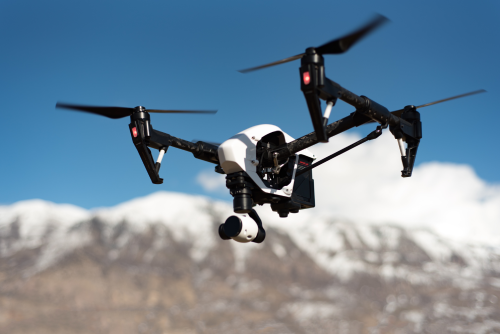
The DJI Phantom 4 Pro is a legacy prosumer camera drone that still matters because it helped define what many buyers expect from a serious aerial imaging platform. It is best suited to photographers, video creators, survey-minded users, and legacy DJI buyers who want a larger, stable quadcopter rather than a small folding drone. Even in discontinued form, the Phantom 4 Pro remains widely referenced thanks to its strong camera reputation, mechanical shutter, and mature flight platform.
What makes this model especially interesting is that it sits at the intersection of two eras. It belongs to a time when DJI was pushing camera quality, stabilization, obstacle sensing, and intelligent flight modes into the mainstream prosumer market, yet it is old enough that anyone considering one now has to think less like a casual shopper and more like a careful used-equipment buyer. In other words, the Phantom 4 Pro is no longer just a product; it is a platform with a history, a reputation, and a set of ownership realities that matter as much as its original specifications.
For some buyers, that history is exactly the appeal. The Phantom 4 Pro remains a recognizable benchmark because it was one of the drones that convinced photographers and video shooters that a drone could be more than a flying gadget. It could be a stable, repeatable camera tool. It could document construction progress, capture clean real-estate footage, produce strong daylight stills, and support light mapping workflows that benefited from a mechanical shutter. Even years after launch, those strengths still give it relevance.
That does not mean it is automatically the right answer now. Discontinued status changes the buying equation. Battery condition, accessory availability, app compatibility, repair options, and regional compliance questions all matter far more than they did when the drone was sold as a current model. Buyers who understand that tradeoff may still find the Phantom 4 Pro compelling. Buyers who simply want the easiest modern ownership experience usually will not.
Quick Summary Box
- Drone Name: DJI Phantom 4 Pro
- Brand: DJI
- Model: Phantom 4 Pro
- Category: Prosumer
- Best For: Aerial photography, stabilized video, legacy mapping workflows, and buyers comparing classic DJI camera drones
- Price Range: Used-market pricing varies widely; exact range not publicly confirmed in supplied data
- Launch Year: 2016
- Availability: Discontinued; typically found through used or refurbished channels
- Current Status: Legacy/discontinued
- Overall Rating: Not rated due to limited confirmed data
- Our Verdict: A landmark prosumer camera drone with strong imaging credentials, but it now makes the most sense as a carefully vetted used-market purchase
Introduction
The DJI Phantom 4 Pro is a DJI-built, China-origin prosumer multirotor designed around aerial imaging rather than racing, cargo, or modular industrial payload work. As a discontinued but still influential model, it continues to attract attention from buyers who want better camera hardware than many older consumer drones offered, while accepting the tradeoffs of a larger non-folding airframe and legacy support status. Readers still care about it because it sits at an important point in drone history: advanced enough to remain useful, but old enough that purchase decisions now depend heavily on condition, battery health, and support reality.
That balance is the key to understanding the Phantom 4 Pro. If you evaluate it only through the lens of original launch-era specs, it looks impressive for its time and still competent in several areas now. If you evaluate it only as a discontinued drone, it can seem risky and outdated. The truth lies between those two views. This is a drone that still has practical value, but that value is conditional. It depends on how well the unit has been maintained, whether your devices still support the required software environment, and whether your intended use case actually benefits from the Phantom platform’s strengths.
It also remains important because many conversations about drone image quality, flight confidence, and mapping suitability still reference it. For some creators and professionals, the Phantom 4 Pro was not just another model in DJI’s lineup. It was a standard setter. Its camera system, stabilization, and flight behavior shaped expectations for what a serious non-enterprise camera drone should deliver. That legacy is why it continues to appear in buying guides, upgrade discussions, and used-market searches long after discontinuation.
Overview
What kind of drone is it?
The Phantom 4 Pro is a quadcopter-style multirotor in DJI’s Phantom line, positioned in the prosumer segment. It is primarily a camera drone with an integrated stabilized payload, not a general-purpose heavy-lift or modular enterprise platform.
That distinction matters. Some drones are meant to carry interchangeable payloads, perform specialized industrial tasks, or support multiple mission profiles with different sensors. The Phantom 4 Pro is not that kind of system. It was designed as a complete aerial imaging package: one aircraft, one integrated camera, one stabilized gimbal, one fairly clear mission focus. Its goal was to give users a dependable camera platform without requiring them to build or customize a setup from separate components.
The result is a drone that feels purpose-built. The airframe, gimbal, flight control system, and software ecosystem were intended to work together as a finished solution. For photographers and video users, that kind of integration is often more useful than flexibility. You are not choosing the Phantom 4 Pro because you want to experiment with payloads. You are choosing it because you want a known, established camera platform with a strong historical track record.
Who should buy it?
It makes the most sense for used-market buyers who want strong stills and video performance, a stable GPS-based flight platform, and a drone with a long track record in creator and light mapping conversations. It can also appeal to educators, researchers, and teams studying older but important DJI systems.
More specifically, the ideal buyer is someone who understands what legacy ownership means. That person is comfortable asking for battery cycle counts, checking for gimbal vibration, inspecting landing gear, confirming firmware status, and testing controller-device compatibility before money changes hands. The Phantom 4 Pro is often a smart purchase for the buyer who values platform maturity more than portability and who prefers a camera-first aircraft over a compact travel drone.
It can also make sense for organizations that already know the Phantom ecosystem. Schools, training programs, and drone clubs sometimes value older DJI platforms because they remain useful teaching tools. Researchers and historians of drone technology may also find it relevant because it represents a major stage in the evolution of consumer and prosumer aerial imaging.
What makes it different?
What keeps the Phantom 4 Pro relevant is its combination of a 1-inch class camera sensor, 20 MP imaging, 4K video up to 60 fps, a 3-axis gimbal, and a mechanical shutter. That mix made it a standout in its era and is still why it gets compared with later compact prosumer drones.
The mechanical shutter is one of the most important differentiators. Many buyers outside surveying or mapping circles focus first on sensor size and video resolution, but the shutter type is a big part of why this drone still comes up in serious discussions. Mechanical shutters can reduce rolling-shutter-related distortion in certain capture situations, especially when flying systematic missions or moving laterally while taking repeated images. That made the Phantom 4 Pro especially attractive for light mapping workflows and remains one of the reasons it has retained long-term relevance.
Its other point of difference is platform character. The Phantom design is larger, more visible, and less travel-friendly than foldable drones, but many users historically appreciated how planted and purpose-built it felt. It looks and behaves like a dedicated aerial camera tool rather than a compact convenience product. That difference is partly emotional and partly practical, and it still influences buying decisions today.
Key Features
- 1-inch 20 MP integrated camera
- Up to 4K video recording at up to 60 fps
- 3-axis stabilized gimbal
- Mechanical shutter for reduced rolling-shutter distortion in some shooting and mapping scenarios
- Up to 30 minutes of official maximum flight time
- Up to 7 km official maximum transmission distance under ideal conditions
- Up to 72 km/h top speed
- GPS and GLONASS satellite positioning
- Obstacle sensing in 5 directions with obstacle avoidance in 4 directions
- DJI intelligent flight features, including Return to Home and automated capture/flight modes
- Non-folding Phantom airframe with quick battery swaps
- Widely recognized legacy platform with strong historical market presence
These headline features explain why the Phantom 4 Pro still carries weight in discussions of older prosumer drones. On paper, the combination of imaging quality, stabilization, flight assistance, and range made it highly capable for its class. In practical use, the significance of these features depends on your expectations.
For example, 4K/60 fps remains genuinely useful for creators who want smoother motion or a little extra flexibility in editing, while the 3-axis gimbal is central to the clean, stable footage this platform is known for. Likewise, obstacle sensing does not make the drone collision-proof, but it does reflect the model’s position as a more advanced camera aircraft rather than a basic hobby quadcopter.
The larger airframe is also a feature, not just a limitation. In an era dominated by folding drones, it is easy to think of size purely as a drawback. But for many pilots, a more substantial aircraft can feel easier to handle on takeoff, landing, and setup, and easier to track visually in the air. Whether that matters more than portability depends entirely on the user.
Full Specifications Table
| Field | Details |
|---|---|
| Brand | DJI |
| Model | Phantom 4 Pro |
| Drone Type | Multirotor quadcopter |
| Country of Origin | China |
| Manufacturer | DJI |
| Year Introduced | 2016 |
| Status | Legacy/discontinued |
| Use Case | Prosumer aerial photography, video, inspection, and light mapping |
| Weight | Approx. 1.388 kg |
| Dimensions (folded/unfolded) | Non-folding airframe; exact folded/unfolded dimensions not publicly confirmed in supplied data |
| Max Takeoff Weight | Not publicly confirmed in supplied data |
| Battery Type | Intelligent Flight Battery, LiPo 4S |
| Battery Capacity | 5870 mAh |
| Flight Time | Up to 30 minutes |
| Charging Time | Not publicly confirmed in supplied data |
| Max Range | Up to 7 km official maximum transmission distance under ideal conditions |
| Transmission System | Lightbridge HD |
| Top Speed | Up to 72 km/h |
| Wind Resistance | Not publicly confirmed in supplied data |
| Navigation System | GPS + GLONASS |
| Obstacle Avoidance | Obstacle sensing in 5 directions, obstacle avoidance in 4 directions |
| Camera Resolution | 20 MP |
| Video Resolution | Up to 4K |
| Frame Rates | Up to 4K/60 fps |
| Sensor Size | 1-inch CMOS |
| Gimbal | 3-axis |
| Zoom | No dedicated optical zoom on the standard camera |
| Storage | microSD |
| Controller Type | Handheld remote controller |
| App Support | DJI GO 4 |
| Autonomous Modes | Return to Home and DJI intelligent flight modes |
| Payload Capacity | Integrated camera payload only; external payload capacity not publicly confirmed in supplied data |
| Operating Temperature | Not publicly confirmed in supplied data |
| Water Resistance | No water resistance publicly confirmed in supplied data |
| Noise Level | Not publicly confirmed in supplied data |
| Remote ID Support | Not publicly confirmed in supplied data |
| Geo-fencing | DJI geo-fencing supported historically; current behavior may vary by app, firmware, and region |
| Certifications | Not publicly confirmed in supplied data |
| MSRP / Launch Price | Not publicly confirmed in supplied data |
| Current Price | Not publicly confirmed in supplied data |
The table gives a useful technical snapshot, but specifications alone do not tell the full story of a discontinued aircraft. With a current drone, listed specs are only part of the picture because buyers can assume fresh batteries, normal warranty expectations, and active software support. With a legacy drone, the condition behind the spec matters just as much as the number itself.
A Phantom 4 Pro that once had up to 30 minutes of official maximum flight time may perform very differently depending on battery age and storage history. A 7 km transmission figure means little if the controller has hidden wear or if your device struggles with the app. Even image quality can be affected by lens damage, gimbal issues, or previous crashes. So while the specification sheet remains strong for a drone of its age, any real-world evaluation should include a physical inspection and a live functional test.
Design and Build Quality
The Phantom 4 Pro uses DJI’s familiar Phantom-style layout: a rigid, non-folding quadcopter body with fixed landing gear and a front-mounted stabilized camera. Compared with modern foldable prosumer drones, it is bulkier to transport, but that larger form factor also gives it a more planted, purpose-built feel in the air.
The visual design communicates exactly what the drone is for. The fixed landing gear keeps the camera suspended with clear ground clearance, the body shape prioritizes balance and stability, and the overall layout feels like a dedicated flying camera platform rather than a compact everyday carry device. That design language is one reason the Phantom line became so recognizable. Even people with limited drone knowledge often identify a Phantom-shaped aircraft immediately.
From a field-use perspective, the design has some clear advantages:
- Easy battery swapping
- A visibly separated gimbal/camera assembly for stabilized shooting
- Landing gear that helps keep the camera clear of the ground
- A larger body that is easier to handle on setup than very compact folding drones
Those advantages matter most in repeated outdoor use. Quick battery swaps are helpful when shooting multiple takes, documenting a site over time, or running several short missions in one field session. The separated camera and gimbal assembly also makes the aircraft’s purpose obvious and gives users a clear visual sense of how stabilization is being handled. On the ground, the landing gear helps reduce some of the anxiety that comes with lower-slung camera designs.
The tradeoff is portability. This is not the sort of drone that disappears into a jacket pocket or tiny sling bag. Buyers should also remember that legacy airframes need close inspection for shell damage, worn motors, damaged landing gear, and gimbal vibration issues. On a discontinued model, condition matters more than design reputation alone.
Build quality should be evaluated with age in mind. A Phantom 4 Pro that has spent years in climate-controlled storage and seen gentle use may still feel excellent. One that has been frequently transported without proper protection, exposed to hard landings, or stored with poor battery practices may show stress points that are not obvious in a quick listing photo. Used buyers should pay particular attention to:
- Hairline cracks around arm roots and motor mounts
- Gimbal mounting condition and anti-vibration components
- Signs of shell separation or previous repair
- Landing gear symmetry and stiffness
- Propeller hub wear and motor smoothness
- Corrosion or oxidation near battery contacts and exposed screws
Because the aircraft is non-folding, impact damage can also present differently from compact folding drones. There are no folding joints to check, but the larger body can show stress from transport knocks or rough handling. That does not make the design fragile; it simply means a legacy Phantom should be inspected as a serious piece of equipment, not as a generic used gadget.
Flight Performance
On paper, the Phantom 4 Pro remains strong for a legacy camera drone. Official maximum flight time is up to 30 minutes, top speed is up to 72 km/h, and official maximum transmission distance is up to 7 km in ideal conditions. Those figures helped make it a serious prosumer option in its class.
In practical terms, its likely flight character is easy to understand:
- The larger non-folding airframe should feel more stable outdoors than many very small drones
- GPS and GLONASS support suggest solid positioning and hover behavior in open environments
- The Phantom platform was built for controlled camera work first, aggressive acrobatics second
- Real-world endurance will usually be lower than headline flight-time claims, especially on older batteries
The most important word here is predictable. The Phantom 4 Pro built its reputation less on being flashy and more on being dependable for camera work. Stable hovering, smooth movement, and controlled handling are the qualities that matter most in aerial imaging, and those are exactly the qualities buyers historically valued in the Phantom platform. For filming, predictable motion is often more useful than extreme agility.
Its top speed is still respectable for repositioning or working in larger outdoor spaces, but that speed should be seen as secondary to mission stability. This is not a racing drone and was never intended to be one. It is best used in ways that prioritize composed, repeatable movement, careful framing, and steady operation.
For buyers considering one today, the biggest performance variable is not the original design but the age of the pack and airframe. Battery condition, firmware state, controller quality, and propeller health can all affect how close a used unit gets to its original performance envelope.
That point cannot be overstated. With legacy aircraft, theoretical performance and actual performance can be very different. Batteries may show reduced usable capacity even if they power on normally. Props may have minor wear that introduces extra vibration. Controllers may have button or stick issues that only become obvious in flight. Firmware mismatches can introduce setup headaches before you even get airborne. None of these issues are unique to the Phantom 4 Pro, but they are central to evaluating whether a used example is still worth buying.
It is mainly an outdoor drone. Its size, prop wash, and mission profile make it less natural for tight indoor flying than smaller aircraft.
Outdoor operation is where the Phantom layout makes the most sense. The aircraft’s size, visibility, and stability are beneficial in open spaces where GPS and GLONASS can do their job well and where the pilot has room to use the drone as intended. In tight interiors, those same qualities become less convenient. For most buyers, this should be viewed as a dedicated outdoor camera platform first and foremost.
Camera / Payload Performance
This is the section that keeps the Phantom 4 Pro relevant.
Its integrated camera setup is widely remembered for combining a 1-inch CMOS sensor, 20 MP stills, a 3-axis gimbal, and 4K video up to 60 fps. For many buyers, that was the key reason to step up from smaller-sensor consumer drones of the same era.
The biggest practical strengths are:
- Better image potential than older small-sensor consumer drones
- Strong stabilized footage from the 3-axis gimbal
- A mechanical shutter, which is especially useful in mapping-style capture and when reducing rolling-shutter artifacts
- A camera package that still looks credible for many daylight photo and video tasks
In plain English, the Phantom 4 Pro is still interesting because its camera was not just “good for the time.” It remains good enough to be useful now for many non-cinematic, non-enterprise-heavy jobs.
A 1-inch class sensor matters because it generally offers more imaging headroom than smaller sensors common in older consumer drones. That can translate into better detail retention, more flexibility in post-processing, and stronger overall results in good light. While newer drones may offer newer processing, enhanced codecs, or improved low-light behavior, the Phantom 4 Pro’s camera package is still capable enough to satisfy many practical users who prioritize clean daylight work.
The gimbal is equally important to the overall result. Good aerial footage depends on more than sensor quality alone. Stabilization is what turns a technically capable camera into a tool for smooth flight footage, controlled pans, and usable inspection or documentation capture. The Phantom 4 Pro’s 3-axis gimbal is a major reason the platform still commands respect. A large part of its reputation comes from how well the aircraft and camera work together as a stabilized system.
Its limits are also clear:
- No interchangeable lens system
- No modular payload flexibility
- No thermal or specialist industrial sensor on the standard model
- Legacy imaging workflows may depend on older software support and accessories
Those limitations define its ceiling. If your work requires thermal imaging, zoom inspection, multispectral analysis, or interchangeable optics, this is the wrong tool. The Phantom 4 Pro is best understood as a very capable integrated camera drone rather than a substitute for dedicated enterprise systems.
For creators, it is still a meaningful historical benchmark. For survey-minded users, the mechanical shutter is one of the most important reasons this model stayed in conversation long after launch.
That mechanical shutter deserves additional context because it is often the deciding factor for niche buyers. In mapping and photogrammetry-style capture, the goal is often to collect a large number of images with consistent geometry while the aircraft is moving along planned routes. Electronic rolling shutters can introduce distortion when the scene or aircraft is moving during image readout. A mechanical shutter can help reduce that effect, making the camera more attractive for certain structured capture tasks. It does not turn the drone into a full industrial survey platform by itself, but it does make the Phantom 4 Pro more useful for such work than many camera drones that lack this feature.
For photographers, the appeal is a little different. The drone’s camera remains well suited to landscapes, coastal scenes, real-estate overviews, tourism content, construction progress shots, and other daylight aerial work where clean composition and stable image capture matter more than extreme low-light performance or high-end cinematic flexibility. For videographers, 4K/60 fps continues to provide useful room for smooth playback and modest slow-motion interpretation, especially in outdoor scenes with strong lighting.
Buyers should still approach camera evaluation carefully on the used market. A strong specification sheet does not guarantee a strong example. Inspect for:
- Lens scratches, haze, or decentering
- Gimbal horizon issues
- Fine vibration in footage
- Focus consistency
- Camera startup errors
- Physical damage around the gimbal mount
- Unusual noise or twitching during initialization
A Phantom 4 Pro with a damaged gimbal or compromised camera can quickly become a poor value. Since the whole platform is built around integrated imaging, the camera condition is not just one item on a checklist; it is the center of the buying decision.
Smart Features and Software
The Phantom 4 Pro belongs to the era when DJI was making intelligent flight features a major part of the user experience. Broadly reliable feature context for this model includes:
- Return to Home
- Obstacle sensing and avoidance
- DJI GO 4 app support
- Subject-following and route-based intelligent flight options
- Automated capture support aimed at easier cinematic movement and repeatable shots
At the time, these features helped distinguish advanced camera drones from simpler hobby models. They made flying more approachable, reduced some operational stress, and expanded the kinds of shots a solo operator could capture. Return to Home improved confidence, obstacle sensing added another layer of situational awareness, and intelligent modes made it easier to create consistent movement without manually performing every maneuver from scratch.
For a legacy buyer, the software question is less about headline features and more about compatibility:
- Check current phone or tablet support for DJI GO 4
- Verify firmware status before purchase
- Confirm controller-app pairing works as expected
- Make sure any planned mapping or third-party workflow still supports the aircraft
That last point matters. A drone can still be technically capable while becoming harder to fit into a modern device ecosystem. For the Phantom 4 Pro, software supportability is part of ownership risk.
This is one of the biggest differences between evaluating a legacy drone and evaluating a current one. Modern buyers often assume app support will simply work on their device. With older aircraft, that assumption is dangerous. Operating system changes, app availability differences, region-specific restrictions, and firmware dependencies can all complicate the ownership experience. Even when the aircraft itself is in excellent condition, the surrounding software environment may be less friction-free than buyers expect.
Before purchasing, it is smart to test the exact controller, app, and device combination you plan to use. If possible, confirm that the drone can:
- Connect cleanly to the controller
- Link properly to the mobile device
- Display camera view without instability
- Access key settings and flight modes normally
- Show no persistent firmware or sensor warnings
Legacy software compatibility is not glamorous, but it can determine whether the aircraft remains practical or becomes a frustrating project. For some buyers, that is acceptable. For others, it is reason enough to choose a newer platform.
Use Cases
The most realistic use cases for the DJI Phantom 4 Pro are the following:
- Aerial photography
- Stabilized 4K video capture
- Real-estate imaging
- Construction progress documentation
- Roof and exterior visual inspection
- Education and training on legacy DJI workflows
- Light surveying and mapping workflows where a mechanical shutter is valued
- General hobby flying for users who prefer a larger camera-first aircraft
Each of these use cases highlights a different strength of the platform.
For aerial photography, the Phantom 4 Pro remains attractive because its integrated camera package is still capable of producing detailed daylight images with strong stabilization support. Users shooting landscapes, waterfronts, rural property, resorts, or urban overviews may still find it entirely adequate for non-specialized work.
For stabilized 4K video capture, the drone continues to make sense as a camera-first platform. Smooth tracking shots, reveal shots, orbit-style footage, and controlled establishing clips are all within the kind of mission profile this aircraft was designed to handle.
For real-estate imaging, the Phantom 4 Pro can still be useful where portability is not the primary concern. Real-estate work often values image clarity, dependable hovering, and repeatable movement more than ultra-compact transport size. The aircraft’s visible, professional-looking presence may also appeal to some operators, though others may prefer a smaller drone for lower-profile site work.
For construction progress documentation, the Phantom 4 Pro’s stable flight behavior and quick battery-swapping workflow can be beneficial. Repeated site visits often depend on consistency rather than novelty, and the platform’s mature design suits that kind of routine aerial documentation.
For roof and exterior visual inspection, the drone can provide useful overview imagery and visual checks, as long as the task does not demand zoom optics or thermal sensors. It is better suited to broad visual documentation than to highly specialized inspection requirements.
For education and training, the Phantom 4 Pro remains relevant because it represents a major stage in the development of DJI’s ecosystem. Students learning about drone evolution, aerial imaging practice, or legacy platform workflows can still benefit from hands-on exposure to a model that shaped market expectations.
For light surveying and mapping workflows, the mechanical shutter is the main reason it remains notable. Buyers interested in this use case should still verify software support and workflow compatibility, but the camera design gives the model more continuing relevance than many consumer drones of the same era.
For general hobby flying, the Phantom 4 Pro suits enthusiasts who simply prefer the feel of a larger camera drone and who value the Phantom design as much as raw convenience. Some users enjoy the setup, presence, and flight character of a classic non-folding quadcopter more than the compact efficiency of modern travel drones.
Pros and Cons
Pros
- Strong legacy camera specification with a 1-inch 20 MP sensor
- 4K/60 fps video remains respectable for many users
- Mechanical shutter adds real value for mapping-style capture
- Stable Phantom platform with mature GPS-based flight behavior
- Obstacle sensing coverage is strong for its generation
- Widely documented model with a large community knowledge base
These strengths explain why the drone still has a following. The imaging package was good enough to outlast its generation, and the platform’s predictable flight character made it useful across creative and practical tasks. The fact that so many people have flown, repaired, reviewed, and discussed the Phantom 4 Pro also gives it an advantage in the used market: there is a deep community knowledge base around setup, maintenance, and troubleshooting.
Cons
- Discontinued status makes long-term support and parts less certain
- Non-folding body is bulky compared with newer portable drones
- Battery age is a major used-market risk
- App, firmware, and device compatibility can be less convenient than with current DJI platforms
- Standard model lacks modular payload flexibility
- Regulatory fit may be more complicated than with newer officially current aircraft
These weaknesses are not minor. They directly affect ownership experience. A discontinued drone can still fly well and capture strong footage, but support uncertainty, aging batteries, and software friction can turn a good value into a frustrating one. The Phantom 4 Pro’s main challenge is not that it lacks historical merit. It is that buying one now requires much more diligence than buying a current model with active ecosystem support.
Comparison With Other Models
| Model | Price | Flight Time | Camera or Payload | Range | Weight | Best For | Winner |
|---|---|---|---|---|---|---|---|
| DJI Phantom 4 Pro | Not publicly confirmed in supplied data | Up to 30 min | 1-inch 20 MP, 4K/60, mechanical shutter | Up to 7 km | Approx. 1.388 kg | Legacy all-round prosumer imaging | Best balance of camera and Phantom-era safety features |
| DJI Phantom 4 Advanced | Not publicly confirmed in supplied data | Up to 30 min | 1-inch 20 MP camera, fewer sensing features than Pro | Up to 7 km | Approx. 1.368 kg | Buyers seeking similar image quality with fewer extras | Value alternative if priced lower |
| DJI Mavic 2 Pro | Not publicly confirmed in supplied data | Up to 31 min | 1-inch 20 MP camera in a foldable body | Up to 8 km | Approx. 0.907 kg | Travel, portability, compact creator use | Portability winner |
| DJI Phantom 3 Professional | Not publicly confirmed in supplied data | Up to 23 min | Older smaller-sensor 4K camera | Up to 5 km | Approx. 1.28 kg | Budget legacy buyers only | Budget-only legacy option |
Tables are helpful, but with legacy drones the context matters more than the numbers. The Phantom 4 Pro’s place among these models is defined by how it balances image capability, platform style, and aging-platform risk.
DJI Phantom 4 Pro vs a close competitor
Against the Phantom 4 Advanced, the Phantom 4 Pro is the more fully featured legacy Phantom for buyers who care about the broader sensing package. If used pricing is close, the Pro is generally the stronger pick.
The decision between these two often comes down to whether the additional sensing and overall feature completeness justify the price difference on the used market. Since both are legacy products, the answer should not be driven by model name alone. A cleaner, healthier, better-maintained Advanced can be a smarter purchase than a rough or neglected Pro. But assuming similar condition and a reasonable price gap, the Phantom 4 Pro is usually the more appealing option because it offers the more comprehensive package.
DJI Phantom 4 Pro vs an alternative in the same segment
Against the Mavic 2 Pro, the choice is mostly about portability versus platform style. The Mavic 2 Pro is easier to carry and more modern in form factor, while the Phantom 4 Pro remains appealing to users who specifically want the classic Phantom layout and mechanical-shutter reputation.
This comparison is especially useful because it reveals how buyer priorities have changed over time. The Mavic 2 Pro reflects the industry’s move toward compact, foldable, travel-friendly drones that still deliver strong imaging. The Phantom 4 Pro reflects an earlier design philosophy that favored a visibly dedicated camera platform. If you travel frequently, shoot on the move, or want a drone that fits more easily into modern mobile workflows, the Mavic-style approach is often more convenient. If your use case values a larger body, quick field battery swaps, and the Phantom 4 Pro’s specific camera reputation, the older design may still have an edge.
DJI Phantom 4 Pro vs an older or previous-generation option
Compared with the Phantom 3 Professional, the Phantom 4 Pro is a major step up in camera sophistication, sensing, and overall mission confidence. The older model only really makes sense when budget is the overriding concern.
This is a good reminder that not all legacy drones age equally. Some remain relevant because they offered a meaningful leap in capability that still holds up. The Phantom 4 Pro is one of those models. It did not just make incremental improvements over older Phantom generations; it represented a more serious imaging proposition and a more advanced overall flight package. That is why it remains worth discussing, whereas many older models are now mostly of historical or budget-only interest.
Overall, the Phantom 4 Pro compares best not as “the newest option” but as “the strongest classic Phantom-style option for buyers who still want what the Phantom concept offered.”
Manufacturer Details
DJI, also branded as DJI, is the manufacturer and brand behind the Phantom 4 Pro. The company is based in China and is widely known as one of the most influential drone makers in the global civilian drone market. DJI’s broader product portfolio spans consumer camera drones, prosumer systems, enterprise platforms, agricultural aircraft, handheld imaging gear, and related software ecosystems.
In this case, the brand and manufacturer are the same: DJI designs, markets, and supports the aircraft under its own name. The company’s reputation in the drone market is built on strong stabilization, camera integration, flight control software, and mainstream market influence.
That broader reputation matters when evaluating a legacy product. One reason the Phantom 4 Pro remains so widely known is that it came from a manufacturer with enormous market presence and a large installed user base. That led to widespread adoption, extensive online documentation, abundant community discussion, and a more developed repair and accessory ecosystem than many smaller brands ever achieved. Even as support becomes more limited over time, the fact that it is a DJI product still benefits owners because the knowledge base around the aircraft is much deeper than for many lesser-known discontinued drones.
Support and Service Providers
For a legacy model like the Phantom 4 Pro, support should be approached carefully.
Potential support channels include:
- Official DJI support resources, if still available for this model in your region
- Authorized service partners where legacy repair intake is still offered
- Independent drone repair specialists
- Community forums, owner groups, and technician-led troubleshooting communities
- Secondary-market parts sellers and refurbishers
Before buying, verify:
- Whether official repairs are still accepted locally
- Whether batteries are genuine and healthy
- Whether spare props, chargers, and gimbal parts are still easy to source
- Whether controller and app support still match your devices
Because the drone is discontinued, support quality can vary significantly by country and service provider.
This is one of the areas where buyers need to be especially realistic. Legacy support is rarely uniform. One region may still have technicians familiar with the platform and a healthy used-parts supply, while another may offer almost no practical help beyond community advice. If your purchase depends on easy repair access, check the support landscape first rather than assuming help will be available later.
Independent repair specialists can be valuable, but quality varies. Some technicians are excellent with legacy DJI hardware and can quickly diagnose common Phantom issues. Others may have limited access to parts or may only offer best-effort repairs. Ask specific questions: Do they still work on Phantom models regularly? Can they test batteries? Can they evaluate the gimbal and camera system? Do they have access to genuine or high-quality replacement components?
Community support also matters more with older drones. Forums, user groups, and technician channels often contain years of troubleshooting experience that can help owners solve practical problems. For some buyers, that community depth is part of the Phantom 4 Pro’s appeal. It remains one of the more documented legacy camera drones, which reduces uncertainty compared with obscure discontinued platforms.
Where to Buy
The Phantom 4 Pro is most likely to be found through:
- Used drone marketplaces
- Refurbished electronics sellers
- Specialist camera and drone resellers
- Local secondhand listings
- Remaining old-stock inventory from some dealers, if any still exists
New retail availability through the official brand store is not something buyers should assume. In most cases, this is now a condition-driven purchase rather than a normal current-model retail purchase.
When buying, check:
- Battery age and swelling
- Charger condition
- Gimbal smoothness
- Camera lens condition
- Controller functionality
- Sensor error history, if the seller can demonstrate it
- Overall crash history and repair history
A careful buying process is more important here than a fast one. Ask the seller for detailed photos from multiple angles, close-ups of the gimbal and landing gear, and images of battery contacts and battery condition. If possible, request a live demonstration showing startup, app connection, gimbal initialization, camera feed, and a short hover test. A seller who can clearly show the drone functioning is usually a safer bet than one who only offers static photos and vague assurances.
It is also wise to ask what is included. A Phantom 4 Pro package can vary significantly in value depending on whether it includes:
- Extra genuine batteries
- Original charger and cables
- Spare propellers
- Carrying case or backpack
- Lens or camera filters
- Original controller
- Manuals or proof of purchase
A complete, well-kept package from a careful owner may justify a higher asking price than a bare aircraft and controller combo with uncertain battery history. Since replacement accessories can be harder to source over time, included extras matter more than they do with current models.
Price and Cost Breakdown
Exact launch and current pricing are not publicly confirmed in the supplied data, so buyers should not budget from outdated listings alone. This model now lives mostly in the used market, where condition matters more than original MSRP.
Key ownership cost factors include:
- Airframe condition and included controller
- Battery count and battery health
- Charger, case, and propeller inclusion
- ND filters and other camera accessories
- Possible gimbal or sensor repairs
- Replacement batteries, which can materially change total cost
- Optional insurance or coverage depending on region
- Any paid third-party mapping or workflow software you plan to use
In practice, a “cheap” Phantom 4 Pro can become expensive quickly if it needs fresh batteries or gimbal work. Buyers should budget for total ownership, not just purchase price.
That is the most important financial lesson with any legacy drone purchase. The sticker price is only the starting point. If the aircraft includes weak batteries, missing accessories, or hidden camera issues, the actual cost of bringing it to dependable operating condition can climb fast. Conversely, a higher-priced but well-maintained kit with several healthy batteries and a clean service history may be the better value.
When evaluating cost, think in terms of three layers:
- Entry cost — the price of the drone and included equipment
- Restoration cost — anything needed to make it reliable and safe
- Ongoing cost — accessories, maintenance, regulatory compliance, and software
This framework helps avoid the common mistake of buying the cheapest listing and then discovering that the missing or degraded components erase any savings. For a platform like the Phantom 4 Pro, batteries are especially important because they directly affect safety, endurance, and confidence in the field.
Regulations and Compliance
Because the Phantom 4 Pro is a relatively large camera drone, it will usually fall well above the smallest recreational weight classes used by many regulators. In many jurisdictions, that means registration is likely required.
Buyers should also verify:
- Local registration rules
- Pilot competency or licensing requirements
- Commercial-use permissions
- Airspace restrictions
- Privacy and camera-use laws
- Whether Remote ID rules apply in their country
- Whether a legacy aircraft needs extra compliance steps to stay legal
Remote ID support is not publicly confirmed in the supplied data, so buyers should verify region-specific compliance before flying. Historical DJI geo-fencing tools may help with awareness, but they do not replace legal responsibility. Always check current rules in your country and flight area.
Legacy ownership makes compliance more important, not less. A drone can still be technically airworthy and operational while no longer being the easiest platform to align with current regulatory frameworks. This does not automatically make the Phantom 4 Pro unusable, but it does mean buyers should treat compliance research as part of the purchase process rather than an afterthought.
Commercial and professional users need to be especially careful. If the drone will be used for paid imaging, site documentation, inspections, or survey-style work, the operator may need specific certification, insurance, or operational approval depending on local law. Some regions may also require additional steps for older aircraft if certain modern identification or broadcast requirements apply.
The Phantom 4 Pro’s size also affects where it is practical to fly. In some places, larger drones can draw more attention from the public or from site managers, which makes documentation and permission more important. Even where legal, an older, larger aircraft is often best operated with visible professionalism: clear site awareness, good takeoff and landing discipline, proper battery handling, and an up-to-date understanding of airspace restrictions.
In short, the Phantom 4 Pro can still be legal and useful, but buyers should not assume that legacy familiarity equals automatic compliance. Regulations evolve, and older aircraft can require more homework.
Who Should Buy This Drone?
Best for
- Buyers who want a well-known legacy DJI camera platform
- Users who value a 1-inch sensor and mechanical shutter
- Photographers and video shooters working mainly in daylight
- Educators and researchers comparing important older drone systems
- Used-market buyers comfortable inspecting batteries, support status, and repair risk
These are the people most likely to appreciate what the Phantom 4 Pro still does well. They value the aircraft for its imaging platform, its role in drone history, or its suitability for specific practical tasks. Just as importantly, they are willing to handle the extra diligence that legacy ownership requires.
Not ideal for
- Buyers who want guaranteed long-term official product support
- Travelers who need a compact folding drone
- Users who need thermal, zoom, or modular industrial payloads
- First-time buyers who want the easiest possible modern app ecosystem
- Operators who need the simplest path to current regulatory compliance
For these users, the Phantom 4 Pro’s strengths will likely be outweighed by its age and platform style. There are simply easier options for portability, ecosystem convenience, and specialized payload needs. This is a drone best chosen intentionally, not accidentally.
Final Verdict
The DJI Phantom 4 Pro remains one of the most important legacy prosumer drones because it paired a serious camera, a mechanical shutter, and a mature stabilized flight platform in a way that many pilots still respect. Its biggest strengths are image quality for its class, reliable Phantom-style flight behavior, and the fact that it still holds value as a camera-first benchmark. Its biggest drawbacks are equally clear: it is discontinued, bulky by modern standards, and increasingly dependent on used-market condition, battery health, and support availability.
If you want a current, portable, low-friction drone, this is no longer the obvious answer. But if you specifically want a classic DJI imaging platform and you can verify condition carefully, the Phantom 4 Pro is still a serious legacy option worth considering.
The best way to think about it is this: the Phantom 4 Pro is no longer a default recommendation, but it is still a meaningful one. It remains relevant not because it is new, but because it was good enough to endure. Buyers who understand its strengths, respect its limitations, and approach the used market with care may still find it to be a capable, satisfying, and historically important aerial camera platform.
