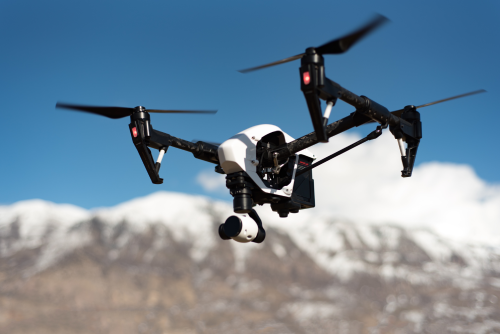
Autel EVO Lite+ is a consumer prosumer multirotor from Autel Robotics that targets buyers who want a portable drone with stronger camera ambitions than entry-level hobby models. It matters because it sits in the premium travel-camera category, where buyers usually care most about image quality, flight confidence, and packable design. For readers comparing creator drones, the EVO Lite+ is one of Autel’s best-known camera-first options in the consumer segment.
Quick Summary Box
- Drone Name: Autel EVO Lite+
- Brand: Autel
- Model: EVO Lite+
- Category: Consumer / prosumer multirotor
- Best For: Aerial photography, travel video, and enthusiast camera-drone flying
- Price Range: Not publicly confirmed in supplied data
- Launch Year: Not publicly confirmed in supplied data
- Availability: Not publicly confirmed in supplied data
- Current Status: Active
- Overall Rating: Not rated due to limited confirmed data
- Our Verdict: A camera-focused foldable drone with strong published imaging credentials and good travel appeal, but buyers should verify current pricing, bundle contents, and regional support before committing.
Introduction
The Autel EVO Lite+ is an active consumer prosumer drone from Autel Robotics, a Chinese manufacturer with a visible presence in the camera-drone market. This model is aimed at creators, hobbyists, and buyers who want better imaging potential than basic starter drones without stepping into large industrial systems. If you are comparing premium portable drones, the EVO Lite+ is relevant because it is positioned around camera quality, stabilized flight, and everyday usability.
That positioning is important because the drone market tends to split into a few clear camps. On one side are beginner drones that emphasize affordability, easy flying, and social-media-friendly footage. On another are enterprise aircraft built around inspection, surveying, thermal work, or specialized payloads. The EVO Lite+ lives in the middle, where users care less about toys and less about industrial accessories, and more about whether a drone can deliver convincing aerial images while still fitting in a travel bag.
This is also a meaningful product for buyers who do not want to default automatically to the market leader’s ecosystem. Autel has become one of the most commonly discussed alternatives in the consumer and prosumer camera-drone space, so the EVO Lite+ often enters the conversation whenever people compare image quality, control experience, app support, and long-term ownership outside the most mainstream path.
In short, the EVO Lite+ matters not because it reinvents what a camera drone is, but because it tries to package several sought-after features—portable design, longer quoted endurance, and stronger imaging specs—into a single foldable aircraft. That makes it worth examining carefully for anyone shopping above the entry level.
Overview
What kind of drone is it?
The EVO Lite+ is a foldable multirotor camera drone built for consumer and prosumer use. In practical terms, that means it is designed more for photography, video, and general recreational flying than for payload carrying, mapping fleets, or industrial inspection work.
Its design goals appear to revolve around the same questions many serious hobbyists ask before buying a drone: Can it travel easily? Can it capture footage that looks noticeably better than basic beginner drones? Can it stay in the air long enough to shoot without constant battery anxiety? And can it offer enough automation and safety assistance to make flying feel confident rather than stressful? The EVO Lite+ is intended to answer those questions positively.
Who should buy it?
This model makes the most sense for:
- Enthusiast pilots upgrading from a basic camera drone
- Travel creators who want a more capable camera platform
- Buyers comparing premium portable drones outside the DJI ecosystem
- Autel users who want a current active model rather than a legacy-only option
It can also appeal to semi-professional users who occasionally shoot property exteriors, resort footage, tourism visuals, or personal brand content, provided local laws allow that kind of work and the operator meets regulatory requirements. While it is not an enterprise platform, it has the kind of camera-led specification list that can support paid creative use in the right hands.
What makes it different?
What separates the EVO Lite+ from many lighter consumer drones is its camera-first positioning. Widely published product information associates this model with a 1-inch CMOS sensor, 20 MP stills, up to 6K video, and an adjustable aperture lens, which is a meaningful spec set for users who care about exposure control and low-light flexibility. It also sits in a portable format, so it aims to balance image quality with travel convenience rather than pure ultralight compliance.
That last point matters more than it might seem. Some drones win primarily by being small, legally convenient, and easy to carry everywhere. Others win by offering the largest sensor or the most advanced video options at the cost of extra bulk. The EVO Lite+ tries to sit between those extremes. It is not tiny, but it is still foldable and field-friendly. It is not an industrial machine, but it offers more camera ambition than low-end hobby models. For many buyers, that middle ground is exactly the sweet spot.
Key Features
- Consumer prosumer foldable multirotor from Autel Robotics
- Camera-led design aimed at photo and video users
- Widely published 1-inch CMOS camera sensor
- 20 MP still-image capability
- Up to 6K video capture
- Adjustable aperture lens, widely marketed as a key EVO Lite+ feature
- 3-axis mechanical gimbal for stabilized footage
- Manufacturer-quoted flight time of up to about 40 minutes
- Autel SkyLink transmission system with up to about 12 km quoted range under favorable conditions
- Tri-directional obstacle sensing is widely associated with this model
- GNSS-assisted flight with return-to-home style safety support typical of this class
- Portable airframe intended for travel and field use
- Active product status in the supplied record
What makes these features notable is not just that they exist, but how they combine. A 1-inch sensor alone is appealing. Adjustable aperture alone is useful. Long quoted endurance alone is attractive. But for a buyer looking for a travel-capable camera drone, the appeal of the EVO Lite+ comes from the package as a whole: a foldable platform with a serious imaging pitch, modern transmission claims, and enough endurance on paper to support slower, more deliberate shooting sessions.
Full Specifications Table
| Field | Specification |
|---|---|
| Brand | Autel |
| Model | EVO Lite+ |
| Drone Type | Consumer / prosumer multirotor camera drone |
| Country of Origin | China |
| Manufacturer | Autel Robotics |
| Year Introduced | Not publicly confirmed in supplied data |
| Status | Active |
| Use Case | Aerial photography, video creation, hobby and prosumer flying |
| Weight | Approx. 835 g |
| Dimensions (folded/unfolded) | Not publicly confirmed in supplied data |
| Max Takeoff Weight | Not publicly confirmed in supplied data |
| Battery Type | Smart flight battery |
| Battery Capacity | Approx. 6175 mAh |
| Flight Time | Up to about 40 minutes |
| Charging Time | Not publicly confirmed in supplied data |
| Max Range | Up to about 12 km under favorable regulatory and environmental conditions |
| Transmission System | Autel SkyLink |
| Top Speed | Approx. 64.8 km/h |
| Wind Resistance | Not publicly confirmed in supplied data |
| Navigation System | GNSS-assisted navigation; exact constellation support not publicly confirmed in supplied data |
| Obstacle Avoidance | Tri-directional obstacle sensing is widely associated with this model |
| Camera Resolution | 20 MP |
| Video Resolution | Up to 6K |
| Frame Rates | 6K up to 30 fps is widely published; additional frame rates depend on resolution |
| Sensor Size | 1-inch CMOS |
| Gimbal | 3-axis mechanical gimbal |
| Zoom | Not publicly confirmed in supplied data |
| Storage | microSD storage support is widely associated with this model; exact internal storage details not publicly confirmed in supplied data |
| Controller Type | Standard remote controller; exact package configuration should be verified by seller |
| App Support | Autel Sky app ecosystem; verify current device compatibility by region |
| Autonomous Modes | Return-to-home and intelligent flight modes are commonly offered in this class; exact mode list should be verified |
| Payload Capacity | Not publicly confirmed in supplied data |
| Operating Temperature | Not publicly confirmed in supplied data |
| Water Resistance | Not publicly confirmed in supplied data |
| Noise Level | Not publicly confirmed in supplied data |
| Remote ID Support | Region- and firmware-dependent; verify before purchase and flight |
| Geo-fencing | Not publicly confirmed in supplied data |
| Certifications | Not publicly confirmed in supplied data |
| MSRP / Launch Price | Not publicly confirmed in supplied data |
| Current Price | Not publicly confirmed in supplied data |
A quick note on the table: some of the most important buying decisions in this class are not driven by headline specs alone. The less glamorous details—controller package, app compatibility, firmware support, battery availability, and seller-backed warranty—can shape ownership as much as raw resolution or range claims. That is why several fields above are marked as not publicly confirmed in the supplied data and should be verified before purchase.
Design and Build Quality
The EVO Lite+ is best understood as a premium portable camera drone rather than a rugged field-industrial platform. Its multirotor, consumer-prosumer layout strongly suggests a foldable travel-oriented design philosophy: easy to pack, quick to deploy, and built around the camera rather than around modular payload rails or weather-hardened structure.
At roughly 835 g by widely published specifications, it is heavier than ultralight travel drones but still far more manageable than older large prosumer aircraft. That extra mass can be a positive for stability and camera confidence outdoors, though it also means the drone falls into a more regulated weight class in many countries.
The weight also says something about its intended experience. Sub-250 g drones often prioritize legal convenience and maximum portability, which can be excellent for casual travel. The EVO Lite+ takes a different route. It accepts extra weight in exchange for a larger camera system, a bigger battery, and a more substantial airframe. For many users, that tradeoff is worthwhile because it tends to align with more serious image-making goals.
Build quality in this category is usually judged less by ruggedness and more by how well the drone supports routine, repeatable flying. Important questions include whether the arms fold securely, whether the gimbal feels well protected during transport, whether the battery fits positively, and whether the aircraft inspires confidence when handled. On a drone like the EVO Lite+, the goal is not to survive industrial abuse but to travel well, set up fast, and protect delicate camera hardware during normal ownership.
Like most drones in this segment, buyers should assume normal consumer care standards unless a specific weather or durability rating is confirmed. In other words, it is suited to regular outdoor flying and travel use, but it should not be treated as a rain-rated inspection aircraft or a crash-tolerant training beater.
That distinction is worth emphasizing. Consumer camera drones can look sturdy, but their priorities are precision flight and camera stabilization, not impact tolerance. The gimbal assembly, lens area, propellers, and folding arms all benefit from careful storage and handling. If you expect to hike with the drone, store it in luggage, or move often between locations, a proper case, gimbal protection habits, and disciplined battery handling will matter.
For travel users specifically, the foldable form factor remains one of the EVO Lite+’s strongest practical advantages. A drone does not have to be ultralight to be genuinely portable. Many travelers would rather carry a slightly heavier aircraft if it produces better footage and needs fewer compromises at sunrise, sunset, or in bright daylight where manual exposure control becomes more important.
Flight Performance
On paper, the EVO Lite+ sits in the strong end of the portable consumer category. The widely published maximum flight time of about 40 minutes is competitive for a foldable camera drone, although real-world usable airtime will always be lower once wind, hovering, repeated climbs, and safe landing reserve are factored in.
That headline endurance matters because it changes how a drone feels in use. A longer flight-time claim does not just mean more minutes in the air; it can mean less pressure during setup, more time to wait for the right light, and more confidence when experimenting with multiple passes of the same scene. For landscape and travel shooting, that can be a real quality-of-life improvement.
The published top speed of roughly 64.8 km/h suggests a drone that can reposition with authority without being an FPV-style speed machine. For the intended use case, that is the right balance: enough pace for travel shooting and general outdoor work, but still centered on stable camera flight.
Just as important as maximum speed is how the drone is likely to behave during slower movements. Creators often care more about smooth starts, clean braking, stable hovering, and predictable panning than they do about outright pace. A camera drone needs to make cinematic movement easier, not merely move fast. While hands-on flying characteristics depend on firmware, mode selection, and pilot skill, the EVO Lite+ is clearly built around that stabilized, deliberate flight mission rather than acrobatic excitement.
The quoted transmission range of around 12 km should be read as an ideal-condition figure rather than an everyday expectation. In practical use, signal performance depends on local regulation, interference, terrain, and line of sight. For most buyers, the more important takeaway is that this is built as a serious outdoor camera drone, not a short-hop toy.
Transmission quality affects more than maximum distance. It also shapes confidence. A strong link can mean a cleaner live view, better response in cluttered radio environments, and less anxiety when framing shots at moderate range. Most legal flights will happen far below the maximum quoted range, so reliability in realistic operating conditions usually matters more than the marketing headline itself.
Indoor use is possible only in carefully controlled environments, but it is not what the EVO Lite+ is for. Its size, weight, and camera-drone mission profile make it much better suited to outdoor flying in open spaces.
Outdoors, its approximate weight may also help it feel more settled than ultralight models in breezy conditions, though no buyer should confuse that with guaranteed high-wind invulnerability. Wind performance depends on many factors, including gusts, altitude, direction of flight, and how aggressively the drone must hold position or maintain a camera angle. Even heavier consumer drones can produce compromised footage or expend battery rapidly in difficult conditions.
A practical way to think about flight performance here is this: the EVO Lite+ appears designed to make creator flying more confident and less compromised, not to push into specialized performance categories. It aims to hover steadily, travel well, cover ground efficiently, and keep the camera stable enough that the aircraft serves the shot rather than distracting from it.
Camera / Payload Performance
This is where the EVO Lite+ makes its clearest case. Widely published specifications tie the model to a 1-inch CMOS sensor, 20 MP photo capture, up to 6K video, and an adjustable aperture lens. That combination is especially attractive for buyers who want more creative control than they usually get from smaller, simpler consumer drones.
A 1-inch sensor generally matters because it can improve tonal handling, dynamic range, and low-light behavior compared with many smaller-sensor drones. It does not turn a drone into a cinema camera, but it can provide more editing flexibility, cleaner-looking footage in challenging light, and greater confidence when scenes include bright skies and darker ground detail.
The 20 MP still-photo specification is also meaningful for photographers. It suggests enough resolution for cropping flexibility, landscape work, and prints beyond casual web use, assuming the lens and processing deliver accordingly. For travel shooters and hobby photographers, that can make the EVO Lite+ more than just a video platform. It can serve as a legitimate aerial stills tool for scenic compositions, coastline work, architecture exteriors, and general location photography.
Up to 6K video is another notable headline. Higher-than-4K capture can be useful even if your final delivery is 4K or lower. It can allow reframing in post, help with downsampled sharpness, and offer more flexibility for cropping vertical or alternate aspect ratios for different platforms. For creators producing content across YouTube, social clips, and client edits, extra resolution headroom can be practical, not just promotional.
The adjustable aperture matters because it gives pilots more control over exposure without relying entirely on shutter speed or external filters. For video-focused users, that can make field shooting more flexible.
This is one of the EVO Lite+ features that stands out in a crowded market. Fixed-aperture drone cameras can still produce excellent footage, but adjustable aperture gives you one more creative control point. In bright conditions, it can help manage exposure choices. In changing light, it can reduce how often you must stop to alter your setup. It can also be useful for photographers who want a more direct relationship between light level and capture settings.
That said, buyers should keep their expectations realistic. Adjustable aperture is helpful, but it does not remove the value of ND filters for video, especially if you care about maintaining preferred shutter speeds for more natural motion blur. Think of it as added flexibility rather than a complete replacement for good field practice.
The 3-axis mechanical gimbal is also important. For a camera drone, sensor quality is only half the story; stabilization is what turns airborne capture into usable footage. On a product like this, the gimbal is central to smooth landscape passes, travel clips, and general creator work.
In practical shooting, the gimbal is what makes subtle moves possible. A large sensor and high resolution do not matter much if the footage jitters, tilts unpredictably, or shows unstable horizon behavior. A proper mechanical gimbal is therefore one of the core reasons a prosumer camera drone can feel dramatically better than cheaper alternatives.
For low-light work, the EVO Lite+ may attract buyers because of the 1-inch sensor and adjustable aperture combination. That is a reasonable interest, but “better in low light” should not be interpreted as “made for night work.” Drone footage after sunset still depends heavily on flight safety, legal visibility requirements, motion control, noise handling, and scene lighting. The camera may perform better than smaller-sensor rivals, but careful expectations remain important.
Payload flexibility is not the mission here. The EVO Lite+ is not positioned as a modular utility aircraft for lifting sensors, droppers, or inspection tools. If your main priority is interchangeable payload work, this is the wrong class of drone.
Another buyer consideration is workflow. If you need particular recording formats, color profiles, HDR modes, or highly specific professional post-production options, verify the exact current feature list from official sources before purchasing. For many enthusiast and creator users, the core camera package will be the main attraction. For more demanding production pipelines, small spec differences can matter a lot.
Smart Features and Software
The EVO Lite+ belongs to a category where buyers expect a modern software-assisted experience, including app-based control, camera settings, safety prompts, and automated assistance. Autel’s consumer ecosystem is widely associated with mobile app support, return-to-home behavior, intelligent flight help, and obstacle-sensing integration.
For most buyers, the practical smart-feature checklist should include:
- Reliable app compatibility with your phone or tablet
- Current firmware support
- Return-to-home behavior
- Intelligent subject or cinematic modes, if important to your workflow
- Obstacle warning or avoidance behavior
- Regional compliance features such as Remote ID, where required
Because software features can change with firmware, region, and controller package, it is smart to verify the exact current mode list before buying. If your work depends on a specific autonomous routine, do not assume it is present without checking current official documentation.
Software quality often gets underestimated during the shopping phase. Buyers tend to focus first on sensor size, flight time, and price, but the day-to-day ownership experience is heavily shaped by the app and firmware environment. Good software can make preflight checks clearer, battery information easier to understand, return-to-home behavior more transparent, and camera settings more intuitive to adjust under pressure.
This matters especially for less experienced pilots moving up from beginner drones. A more advanced camera platform is only enjoyable if the software remains approachable. Things like map loading, warning messages, update stability, and flight log access may not sound exciting, but they influence how quickly a pilot becomes comfortable and how easily they can troubleshoot issues later.
Obstacle sensing, where available and functioning as expected, should also be treated as support rather than permission. Sensor-assisted features can reduce some risk, but they do not replace visual awareness, good route planning, or understanding the aircraft’s blind spots. Trees, thin branches, wires, reflective surfaces, and sideways motion can all challenge drone safety systems depending on conditions and system design.
App support is another area where regional variation matters. Device compatibility, app-store availability, firmware rollout timing, and compliance features may differ by region. Buyers who change phones frequently, use tablets in the field, or depend on a specific operating system should verify support before purchasing rather than assuming broad compatibility.
Use Cases
The most realistic use cases for the EVO Lite+ are camera-driven and enthusiast-friendly.
-
Aerial photography for landscapes, travel, and scenic locations
The 1-inch-class camera positioning makes the drone especially relevant for users who care about image quality in wide outdoor scenes, changing light, and more nuanced color and tone. -
6K-capable video capture for content creators and hobby filmmakers
This suits vloggers, YouTubers, tourism creators, and independent filmmakers who want cleaner aerial inserts or more room to crop and reframe in post. -
Real-estate style exterior imaging where local law allows
For exterior establishing shots, neighborhood context, and broad property views, a stable camera drone in this class can be very effective. -
Travel drone use for pilots who want a stronger camera than entry-level models
Not everyone wants the absolute smallest aircraft. Some travelers are willing to carry more if it means better imaging and more control. -
General recreational flying with better imaging ambition
Many buyers are hobbyists first and creators second. The EVO Lite+ makes sense for people who enjoy flying but want the footage to look materially better than what a low-cost drone typically delivers. -
Creator workflows that benefit from stabilized footage and more manual exposure control
The adjustable aperture and 3-axis gimbal combination makes this model appealing for users who want more deliberate visual results.
You could also think of the EVO Lite+ as a “serious hobbyist plus” drone. It is not limited to casual family snapshots, but it also does not demand the complexity of industrial fleet management or specialist payload operation. It works best when the user values visual output, portability, and a smoother ownership experience more than specialized commercial functions.
Pros and Cons
Pros
- Strong camera-oriented positioning with a widely published 1-inch sensor
- 20 MP stills and up to 6K video make it more serious than basic hobby drones
- Adjustable aperture is a meaningful advantage for exposure control
- Foldable portable form factor suits travel and field deployment
- Quoted flight time of up to about 40 minutes is competitive for the class
- Active status in the supplied record suggests it remains relevant in Autel’s lineup
- Heavier airframe may appeal to users who prefer a more substantial outdoor camera platform
- Good fit for buyers seeking a credible alternative to the most common mainstream ecosystem
Cons
- Current price and exact bundle value are not publicly confirmed in the supplied data
- At roughly 835 g, it is not an ultralight drone and will trigger more regulation in many places
- Regional availability, firmware support, and Remote ID status should be verified before purchase
- Not designed as a rugged industrial, weather-rated, or modular payload platform
- Exact smart-mode list, controller package, and support specifics may vary by seller and region
- Travel-friendly does not mean pocket-size; carrying it still requires more planning than sub-250 g models
- Buyers who need guaranteed long-term parts access should confirm local support channels in advance
The practical takeaway from the pros and cons is that the EVO Lite+ is strongest when judged as a creator-focused flying camera, not as a universal answer for every drone buyer. If image control and a foldable body are your priorities, the strengths stand out. If your priorities are minimal regulation, ultralight portability, or specialty work, the limitations become more relevant.
Comparison With Other Models
Buyers usually cross-shop the EVO Lite+ against other premium portable camera drones rather than against FPV rigs or enterprise aircraft.
| Model | Price | Flight Time | Camera or Payload | Range | Weight | Best For | Winner |
|---|---|---|---|---|---|---|---|
| Autel EVO Lite+ | Not publicly confirmed in supplied data | Up to 40 min | 20 MP 1-inch CMOS, up to 6K, adjustable aperture | Up to 12 km | Approx. 835 g | Camera-first prosumer travel flying | Best fit for buyers who want Autel plus a strong imaging package |
| DJI Air 2S | Varies by market | Up to 31 min | 20 MP 1-inch CMOS, up to 5.4K | Up to 12 km | Approx. 595 g | Buyers who want a mature mainstream ecosystem | Ecosystem and lower weight |
| DJI Mini 4 Pro | Varies by market | Up to 34 min with standard battery | 1/1.3-inch camera, up to 4K/100fps | Up to 20 km | Under 249 g with standard battery | Travel, convenience, and lighter regulation | Portability and compliance ease |
| Autel EVO II Pro | Varies by market or used stock | Up to 40 min | 20 MP 1-inch CMOS, up to 6K | Up to 15 km | Approx. 1191 g | Legacy Autel users who prefer a larger older platform | Heavy-duty older alternative |
The comparison table highlights something important: buyers in this segment are rarely choosing only between “good” and “bad.” They are choosing between different balances of camera quality, ecosystem maturity, portability, and regulation.
EVO Lite+ vs a close competitor
Against the DJI Air 2S, the EVO Lite+ looks strongest when the buyer specifically wants adjustable aperture and prefers Autel’s ecosystem. The Air 2S remains a very relevant rival because of its lower weight and mature mainstream support base.
In practical buying terms, this matchup often comes down to comfort versus control. The Air 2S has long appealed to users who value a widely adopted platform with broad community knowledge, accessory availability, and familiar software expectations. The EVO Lite+ counters with a camera spec combination that may be more attractive to users who want the flexibility of adjustable aperture and like what Autel offers as an alternative ecosystem.
If you travel frequently and every gram matters, the lower weight of the Air 2S may be a meaningful advantage. If exposure control and Autel preference matter more, the EVO Lite+ becomes more compelling.
EVO Lite+ vs an alternative in the same segment
Against the DJI Mini 4 Pro, the choice is less about brand loyalty and more about priorities. The Mini 4 Pro wins on portability and easier regulation in many countries, while the EVO Lite+ is more appealing to buyers who specifically want a 1-inch-class camera platform and do not mind the heavier weight class.
This is probably one of the most common “heart versus head” comparisons in the consumer market. The head says the sub-250 g drone is easier to travel with, easier to register in some places, and easier to justify as an always-pack option. The heart says a bigger camera platform with more serious imaging ambition may produce the results you actually want. Neither answer is universally right; it depends on whether convenience or camera-first priorities dominate your use.
EVO Lite+ vs an older or previous-generation option
Compared with the older Autel EVO II Pro, the EVO Lite+ is easier to view as a travel-friendly camera drone rather than a larger legacy prosumer platform. The EVO II Pro may still interest existing Autel users, but the Lite+ feels more modern in its portable mainstream positioning.
The older platform may still have appeal for users who like a larger airframe or who already own compatible accessories, but for new buyers starting fresh, the EVO Lite+ generally makes more sense as the more approachable travel-camera concept. It better reflects how the modern premium consumer segment has shifted: foldable, creator-oriented, and less oversized than older prosumer machines.
Manufacturer Details
Autel Robotics is the manufacturer, and Autel is the brand name used on the product. According to the supplied record, the company’s country of origin is China. In the drone market, Autel is widely recognized as one of the more visible alternatives to DJI across consumer, prosumer, and some enterprise-adjacent categories.
The company is best known for its EVO family of drones, with products spanning small consumer camera drones up to larger professional-oriented aircraft. That reputation matters because buyers are not just purchasing a flying camera; they are also buying into an app ecosystem, firmware pipeline, spare-parts flow, and service structure.
Brand context is especially important in drones because these products age differently from ordinary electronics. A drone depends on firmware, battery health, controller compatibility, and repair access in a way that many cameras or gadgets do not. A good manufacturer is not simply one that releases attractive hardware, but one that supports that hardware well enough for owners to use it confidently over time.
For prospective EVO Lite+ buyers, Autel’s relevance lies in offering a recognizable ecosystem with a real presence in the premium camera-drone conversation. That alone does not guarantee the best support in every region, but it does mean the product sits within an established product family rather than as a one-off anonymous import.
Support and Service Providers
Support quality can matter almost as much as the hardware, especially for camera drones that rely on batteries, gimbals, firmware updates, and replacement propellers. For the EVO Lite+, buyers should look first at official Autel support channels, official documentation, and authorized retail partners.
Before purchase, verify:
- Warranty terms in your country
- Official repair options
- Spare battery availability
- Propeller and charger availability
- Firmware and app support status
- Local service turnaround expectations
Community help is also useful in this segment. Owner forums, creator groups, and retailer support teams can help with setup and accessory guidance, but they should not replace official documentation when safety or compliance is involved.
A sensible pre-purchase support check can save a lot of frustration later. Ask whether the seller is authorized, whether batteries are readily stocked, whether replacement props are genuine, and whether repairs are handled locally or shipped internationally. These details matter more than many buyers expect, especially once the drone is no longer brand new and routine maintenance becomes part of ownership.
It is also wise to think beyond warranty. Drones are consumable systems in several ways: batteries age, propellers wear, gimbals can be damaged, and controller-device compatibility can change over time. Buyers who plan to keep the EVO Lite+ for multiple seasons should prioritize the quality of local support and spare-part availability, not just the initial hardware package.
Where to Buy
As a consumer prosumer drone, the EVO Lite+ is the kind of model typically sold through:
- Official brand store channels
- Authorized drone dealers
- Camera and electronics retailers
- Regional distributors
- Large online marketplaces with verified sellers
Because stock, bundle contents, and warranty treatment can differ by seller, it is wise to confirm exactly what is included. A cheaper listing is not automatically a better one if it lacks a local warranty, genuine battery support, or reliable after-sales service.
This is particularly important in the drone market because there can be meaningful differences between sealed local stock, gray-market imports, open-box returns, and older inventory. A listing that looks similar at first glance may include a different controller, fewer accessories, outdated batteries, or no meaningful regional support. For a camera drone, those differences can directly affect usability and long-term value.
Before buying, confirm:
- Whether the unit is new, open-box, refurbished, or old stock
- Which controller is included
- How many batteries are in the bundle
- Whether the warranty is local and official
- Whether return shipping is practical in your country
- Whether accessories in the box are original and complete
If you plan to travel with the drone soon after purchase, buying from a seller with clear returns and support can be worth paying a little more.
Price and Cost Breakdown
The supplied data does not publicly confirm launch price or current price, so buyers should verify live pricing before budgeting. That said, total cost of ownership for a drone like the EVO Lite+ is usually more than the base airframe price.
Typical cost areas to check include:
- Standard kit versus premium bundle
- Spare batteries
- Multi-battery charging accessories
- microSD cards
- ND filters or lens accessories
- Carrying case or travel bag
- Replacement propellers
- Insurance or accidental-damage coverage
- Repair costs after a gimbal strike or hard landing
As of March 2026, it is especially important to check whether current pricing reflects new stock, older inventory, or region-specific promotions. Bundle value can change the real deal more than sticker price alone.
For many buyers, the most important hidden cost is batteries. A single-battery setup may be enough for casual backyard use, but it often feels limiting for travel, property work, or sunrise and sunset shooting sessions. Once you add one or two extra batteries and a better charging setup, the real purchase price can shift significantly.
Storage is another overlooked expense. If you intend to shoot at higher resolutions such as 6K, fast and reliable microSD cards matter. So do backups. A camera drone capable of more serious footage deserves media that will not create recording bottlenecks or workflow headaches.
Then there are operational extras. ND filters can become essential if you care about controlled shutter speed for video. A better case may be necessary if you hike or fly frequently. Insurance may be worthwhile if you travel or work near water, trees, or client locations. None of these items are unusual, but together they determine the true cost of owning a premium foldable drone.
A simple rule of thumb is this: when budgeting for the EVO Lite+, do not compare only drone-to-drone sticker prices. Compare complete flying kits.
Regulations and Compliance
For most buyers, the first compliance issue is weight. At approximately 835 g by widely published specifications, the EVO Lite+ sits well above the ultralight category, so registration, operator ID, or competency requirements are likely in many jurisdictions.
Practical regulatory points to verify before flying:
- Whether the drone must be registered in your country
- Whether the pilot needs a certificate or online test
- Whether Remote ID is required and supported in your region
- Local rules for flying near people, roads, airports, and built-up areas
- Privacy and consent rules for aerial filming
- Commercial licensing requirements if the drone is used for paid work
Do not assume global compliance from a single product listing. Laws differ by country and often by weight class, firmware version, and use case.
It is also important to remember that compliance is not just about the aircraft. The pilot’s responsibilities matter equally. In many places, you may need to maintain visual line of sight, obey altitude limits, avoid controlled airspace without authorization, follow night-flying rules, and respect temporary restrictions or local park bans. A powerful camera drone is still a regulated aircraft, even when sold as a consumer product.
The EVO Lite+’s heavier class can affect where and how it may be flown legally, especially around people or in urban settings. This is one of the clearest tradeoffs against smaller sub-250 g models. You may gain image quality and camera flexibility, but you also take on more regulatory planning.
If you intend to use the drone commercially—even casually, such as for paid real-estate footage or travel content for clients—make sure your operating permissions, insurance position, and local legal requirements are clear. Rules can differ significantly between recreational and paid use.
Who Should Buy This Drone?
Best for
- Buyers who want a portable camera drone with stronger imaging specs than entry-level models
- Hobbyists and creators interested in 1-inch-class sensor performance
- Travel shooters who value foldability but do not need a sub-250 g aircraft
- Pilots comparing premium consumer drones outside the most common mainstream ecosystem
- Existing Autel users who want to stay within the brand
- Creators who value adjustable aperture as part of their shooting workflow
Not ideal for
- Buyers who specifically need a sub-250 g drone for easier compliance
- Enterprise users who need modular payloads or specialized sensors
- Operators who need confirmed weather resistance or industrial hardening
- Shoppers who will not verify regional support, app compatibility, and compliance status before buying
- Users whose main priority is racing, acrobatics, or FPV-style performance
The easiest way to decide whether the EVO Lite+ fits you is to ask what frustrates you most about smaller or cheaper drones. If the answer is “the camera feels limiting,” “the footage falls apart in difficult light,” or “I want more control without moving to a giant professional rig,” this model makes sense. If the answer is “I need something as legally easy and physically light as possible,” then it probably is not the ideal match.
Final Verdict
The Autel EVO Lite+ stands out as a camera-first prosumer drone with a strong published spec profile for image quality, including a 1-inch sensor, 20 MP stills, up to 6K video, and adjustable aperture. Its other major strength is balance: it aims to give buyers premium imaging and solid quoted endurance in a foldable airframe that is still practical to travel with.
Its main drawbacks are not about concept but about buyer diligence. It is not an ultralight drone, so regulation is more involved in many places, and key purchase details such as current pricing, exact bundle contents, local service support, and region-specific compliance should be checked before you buy.
That is really the core story of the EVO Lite+. It is not trying to win on the smallest size, the lightest legal class, or the broadest enterprise flexibility. It is trying to win on the quality of the aerial imaging proposition in a format that remains realistic for enthusiasts and creators to carry, deploy, and enjoy. For the right buyer, that is a compelling proposition.
If your priority is a portable consumer drone built around camera performance rather than minimal weight, the EVO Lite+ is a serious option worth shortlisting. If your priority is the lightest legal class, industrial payload flexibility, or absolute certainty around ecosystem and support, you should compare carefully before deciding.
A sensible final buying checklist would be:
- Confirm the exact bundle and controller included
- Check current regional price against complete competitor bundles
- Verify app support for your device
- Confirm local warranty and repair access
- Make sure regulatory requirements in your country are acceptable
- Budget for extra batteries, media, and filters
If those boxes line up with your needs, the Autel EVO Lite+ remains one of the more interesting camera-led foldable drones in the consumer prosumer space.
