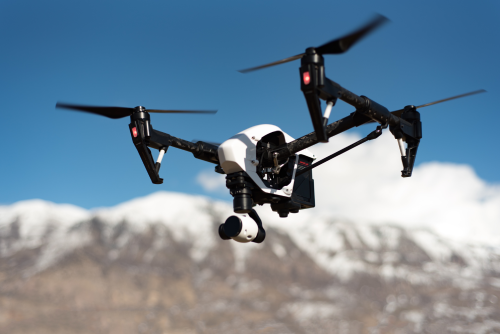
The DJI Mini 2 is a lightweight consumer/prosumer multirotor built for portable aerial photography, casual 4K video, and everyday recreational flying. It matters because it combines a very small foldable airframe with DJI’s more mature control and stabilization ecosystem, making it a common comparison point for buyers looking at travel-friendly drones. For hobbyists and creators who want a compact DJI model without stepping into heavier aircraft classes, the Mini 2 still stands out as a practical reference model. Even now, it remains one of the easiest drones to understand in the market: it is not trying to be an enterprise tool, a cinema platform, or a highly autonomous flying assistant. It is a compact camera drone focused on the core experience of getting in the air quickly, capturing stable footage, and packing away with minimal hassle.
Quick Summary Box
- Drone Name: DJI Mini 2
- Brand: DJI
- Model: Mini 2
- Category: Consumer/prosumer multirotor
- Best For: Travel-friendly aerial photography, casual 4K video, and hobby flying
- Price Range: Not publicly confirmed in supplied data
- Launch Year: 2020
- Availability: Active in the supplied record; exact retail availability should be verified by region
- Current Status: Active
- Overall Rating: Not rated due to limited confirmed data
- Our Verdict: A proven lightweight DJI camera drone that still makes sense for budget-conscious buyers who want portability and stabilized 4K capture, but it lacks the newer sensing and automation found in more recent Mini models.
Introduction
DJI Mini 2 is a China-made DJI consumer/prosumer drone positioned as a compact foldable camera platform for everyday users rather than an enterprise or specialist aircraft. The supplied record lists it as active, and it remains relevant because it sits in the lightweight Mini class that appeals to travelers, beginners, and casual content creators. Buyers usually care about this model for three reasons: easy transport, a stabilized camera, and access to DJI’s broader app, controller, and support ecosystem.
That last point is worth emphasizing. A drone is not just an airframe and a camera. The quality of the flight app, the reliability of the radio system, the behavior of return-to-home, firmware support, spare battery availability, and the consistency of the controller all affect ownership just as much as the published camera resolution. One reason the Mini 2 has remained so visible in buying guides is that it came from a mature ecosystem rather than a no-name budget lineup. For many users, that translates into a lower-friction first drone experience.
The Mini 2 also occupies an important middle ground in DJI’s history. It is newer and more capable than the original Mavic Mini, yet simpler and usually less expensive than later Mini models that introduced stronger imaging, more safety tech, and more creator-focused tools. That makes it a useful “value benchmark” for anyone deciding whether to save money on an older drone or pay more for modern upgrades.
Overview
What kind of drone is it?
The Mini 2 is a small multirotor camera drone designed for personal and prosumer use. In practical terms, that means it is aimed at aerial photo and video capture, scenic flying, travel, and entry-level content creation rather than mapping, cargo, inspection, or heavy-payload work.
It is best thought of as a flying camera first and a recreational aircraft second. Yes, it is enjoyable to fly, but the reason most people buy it is not acrobatic performance or speed. It is because they want a compact aerial platform that can produce smoother, more polished footage than toy-grade drones and can do so without requiring them to carry a large case or learn a complicated workflow.
Because of its size and positioning, the Mini 2 is especially well suited to users who want to fit drone flying into normal life rather than plan an entire outing around the aircraft. It is the sort of product that can live in a travel bag, car kit, or daypack, ready for a scenic stop, a beach overlook, a mountain viewpoint, or a quiet open field.
Who should buy it?
It fits buyers who want a portable DJI drone with stronger core imaging and transmission than very basic starter models. It is especially relevant for:
- Travelers
- First-time DJI buyers
- Casual YouTube and social-media creators
- Hobbyists who want a light foldable drone
- Users comparing older Mini-series drones against newer upgrades
- Existing DJI owners who want a simple backup aircraft
- Buyers looking at used or refurbished DJI options and trying to avoid overly outdated models
It is also a strong candidate for people who value ease of use over raw specification chasing. Not every buyer needs obstacle avoidance in multiple directions, vertical shooting workflows, advanced subject tracking, or higher-end image profiles. For some, dependable basics matter more: decent flight time, stable footage, straightforward controls, and a compact form factor. The Mini 2 is strongest when judged on those fundamentals.
What makes it different?
What makes the Mini 2 notable is the balance it strikes between very low carry weight and genuinely useful camera-drone performance. Compared with older entry drones, it offers a more serious stabilized imaging package and a stronger transmission system, while still staying in the light Mini category. Its main tradeoff is that it does not bring the more advanced obstacle sensing and newer camera hardware seen on later Mini models.
That balance is exactly why it remains easy to discuss years after launch. Plenty of drones are either extremely cheap but compromised, or highly capable but larger, heavier, and more expensive. The Mini 2 landed in a practical middle zone. It gave buyers 4K capture, a proper 3-axis gimbal, and a more confidence-inspiring control link without forcing them into the bulk and travel burden of a larger aircraft.
Another differentiator is how “complete” it feels for a compact drone. Some small drones look appealing on paper but feel limited in real use because of weak stabilization, poor radio reliability, or unreliable hover behavior. The Mini 2’s appeal is that it generally behaves like a real camera drone, not just a lightweight gadget.
Key Features
- Lightweight foldable DJI Mini-series airframe
- Approximate takeoff weight of 249 g class
- 12 MP camera for still photography
- Up to 4K video recording
- 3-axis motorized gimbal for stabilized footage
- OcuSync 2.0 transmission system
- Up to 31 minutes of advertised flight time
- Up to 10 km transmission range under favorable conditions and region-specific rules
- Level 5 wind resistance class for its size
- GPS-enabled positioning and return-to-home functionality
- DJI Fly app support
- QuickShots automated capture modes
- Compact controller-and-phone operating workflow
- Downward sensing assistance for hovering and landing, but no full obstacle avoidance system
- Travel-friendly design for casual creators and hobby users
These features matter more in combination than in isolation. A lightweight drone is common; a lightweight drone with a stabilized 4K camera and a relatively strong transmission system is much more meaningful. Likewise, a long advertised flight time sounds good on paper, but it becomes more valuable when paired with an aircraft that is easy to deploy and quick to use. The Mini 2’s feature list is not about headline innovation anymore. It is about practical completeness for the size.
Full Specifications Table
| Field | Specification |
|---|---|
| Brand | DJI |
| Model | Mini 2 |
| Drone Type | Foldable multirotor camera drone |
| Country of Origin | China |
| Manufacturer | DJI |
| Year Introduced | 2020 |
| Status | Active |
| Use Case | Consumer/prosumer aerial photography, video, travel, and hobby flying |
| Weight | 249 g |
| Dimensions (folded/unfolded) | Folded: 138 × 81 × 58 mm; Unfolded: 159 × 203 × 56 mm |
| Max Takeoff Weight | Not publicly confirmed in supplied data |
| Battery Type | 2S Li-ion intelligent flight battery |
| Battery Capacity | 2250 mAh |
| Flight Time | Up to 31 minutes |
| Charging Time | Not publicly confirmed in supplied data |
| Max Range | Up to 10 km; region-dependent |
| Transmission System | OcuSync 2.0 |
| Top Speed | Up to 16 m/s (57.6 km/h) |
| Wind Resistance | 8.5 to 10.5 m/s |
| Navigation System | GPS, GLONASS, Galileo |
| Obstacle Avoidance | No full obstacle avoidance; downward vision and infrared assistance for hovering/landing |
| Camera Resolution | 12 MP |
| Video Resolution | Up to 4K |
| Frame Rates | 4K up to 30 fps; 2.7K up to 60 fps; 1080p up to 60 fps |
| Sensor Size | 1/2.3-inch CMOS |
| Gimbal | 3-axis motorized gimbal |
| Zoom | Digital zoom; exact limits vary by resolution |
| Storage | microSD card |
| Controller Type | DJI handheld remote controller using a connected phone for display |
| App Support | DJI Fly |
| Autonomous Modes | Return to Home, QuickShots, auto takeoff, auto landing |
| Payload Capacity | Not publicly confirmed in supplied data |
| Operating Temperature | 0°C to 40°C |
| Water Resistance | Not weatherproof; rain operation not officially stated for normal use |
| Noise Level | Not publicly confirmed in supplied data |
| Remote ID Support | Region- and firmware-dependent; verify current official status |
| Geo-fencing | DJI airspace restrictions may apply by region and app version |
| Certifications | Not publicly confirmed in supplied data |
| MSRP / Launch Price | Not publicly confirmed in supplied data |
| Current Price | Not publicly confirmed in supplied data |
A specification sheet only tells part of the story, especially with small drones. Advertised flight time is typically measured in calm conditions, often at steady speeds and with ideal battery health. Real-world endurance is usually lower once wind, ascent and descent, hovering for framing, multiple takes, and a conservative landing reserve are factored in. The same applies to range figures. Published maximum transmission distance is not a practical invitation to fly to that limit, and in many places it would conflict with line-of-sight rules. In the Mini 2’s case, the specs are still useful, but they should be read as indicators of class and capability rather than promises of exact field performance.
Design and Build Quality
The Mini 2 follows the familiar DJI foldable camera-drone formula: compact arms, low carry weight, and a travel-first design that is easy to pack into a small bag. At 249 g, it sits in the ultra-light end of the consumer market, which is one of its biggest practical strengths for people who value portability over raw hardware size.
This weight class changes how people actually use the drone. A larger aircraft can feel like dedicated gear you plan around. The Mini 2 feels more incidental in the best sense. It can be packed for a weekend trip without much thought, brought along on a hike without dominating bag space, or kept ready in a vehicle for spontaneous flying opportunities. For many owners, that convenience increases actual usage more than an extra feature or two would.
Its construction is typical of a lightweight consumer drone rather than a rugged field platform. That means it should be viewed as a careful-use camera aircraft, not a weather-hardened tool for rough industrial environments. The low body weight helps with transport and convenience, but it also means the aircraft is less forgiving of impacts than larger, heavier platforms.
Key build impressions based on the design class and published dimensions:
- Very easy to carry and store
- Foldable structure suits travel and casual day use
- Low landing clearance means cleaner launch surfaces are preferable
- Consumer-grade shell and arms are designed for lightness, not hard knocks
- Not a rain-ready or all-weather aircraft
- Best suited to backpack, car, or vacation use rather than harsh-site deployment
From a handling perspective, the Mini 2 reflects DJI’s consumer priorities well. Folded, it is compact enough to stash quickly. Unfolded, it still feels like a “real” aircraft rather than a toy because of the gimbal, motors, and controller pairing. That combination is important: buyers do not just want small size, they want small size without a flimsy experience.
The controller workflow also contributes to perceived build quality. Instead of relying on an all-in-one screen, the system uses a handheld remote with a connected phone for display and app control. Some buyers prefer the simplicity of a dedicated-screen controller, but the Mini 2’s phone-based setup helps keep the package familiar and flexible. It also reinforces the product’s position as a compact consumer drone rather than a premium integrated platform.
Serviceability is typical of mainstream consumer DJI models: props and batteries are user-relevant consumables, while more serious repairs should generally go through official or qualified repair channels. Propeller swaps are routine ownership tasks, especially after minor tip strikes or visible wear. Batteries are another obvious consumable, and on a model of this age, battery condition matters almost as much as the aircraft itself in used purchases.
One more practical design note: the Mini 2’s small size is an advantage in transport, but it also means takeoff and landing discipline matters. Uneven dirt, sand, wet grass, gravel, and dusty surfaces are less forgiving when you have low ground clearance and exposed moving parts. Many users benefit from launching from a clean flat area or using a simple landing pad when conditions are messy.
Flight Performance
For a lightweight camera drone, the Mini 2’s flight profile is best understood as portable, stable, and approachable rather than aggressive or specialized. Its 3-axis gimbal, GPS-class navigation, and DJI flight ecosystem point toward smooth scenic flight and repeatable casual operation.
A few areas stand out:
- OcuSync 2.0 is a meaningful advantage over weaker entry-level transmission approaches, especially in open areas
- Level 5 wind resistance is strong for a drone this small
- The lightweight airframe should still be treated carefully in gusty conditions
- GPS-supported hovering and return-to-home behavior make it more confidence-inspiring than toy-grade drones
In real use, these strengths matter more than raw speed. Yes, the Mini 2 can move quickly enough for recreational flying and repositioning, but its true value is the sense of control it gives newer pilots. Stable hovering, predictable input response, and consistent video downlink quality all reduce stress during flight. That makes it easier to focus on framing and safe path planning instead of constantly fighting the aircraft.
Analytically, the Mini 2 is likely to feel most comfortable outdoors in open spaces where its signal system and stabilized camera can do their best work. It is less ideal for complex obstacle-rich environments because it does not have broad obstacle sensing. That means the pilot has to manage spacing, path choice, and recovery planning more actively than on newer safety-enhanced Mini models.
This is especially important around trees, poles, facades, bridges, rocky outcrops, and urban clutter. A beginner might assume a small drone is automatically safer in tight spaces, but the opposite can be true when the aircraft lacks obstacle avoidance. The Mini 2 rewards pilots who keep things simple: open air, clear flight paths, good visual awareness, and conservative maneuvers.
Wind handling deserves a balanced view. For its size, the published resistance figure is respectable, and the Mini 2 is generally regarded as more capable than many ultra-budget alternatives in moderate outdoor conditions. Still, “good for its size” is not the same as “unbothered by wind.” Coastal gusts, ridge lift, mountain turbulence, and open-field gust fronts can quickly make a sub-250 g aircraft work much harder than expected. Video may still look smooth thanks to the gimbal while the aircraft itself is using significant power to hold position. That can shorten practical flight time and reduce margins for a safe return.
Indoor use is possible only with caution and suitable local conditions, but this class of drone is generally more natural outdoors. Small GPS camera drones can still drift, and the lack of full obstacle avoidance limits safety margins in tighter spaces. Indoor flights also remove the normal comfort of open sky and can increase risk around walls, lights, furniture, and people. For most owners, the Mini 2 is best treated as an outdoor aircraft.
Real-world endurance should also be framed realistically. The up to 31-minute figure is useful for category comparison, but most pilots will land well before a battery is truly exhausted. Sensible operation means keeping a reserve, accounting for return distance, and avoiding “one last shot” decisions when the battery is already low. In practice, that still leaves enough time for meaningful flights, especially for a compact drone, but buyers should not equate advertised maximums with routine mission time.
Camera / Payload Performance
The Mini 2 is a camera-led consumer platform, not a payload carrier. Its 12 MP camera and 1/2.3-inch sensor are aimed at everyday aerial content rather than interchangeable-lens work, thermal imaging, or industrial data capture.
In practical terms, this means:
- 4K video is strong enough for casual travel footage, social clips, and basic creator work
- The 3-axis gimbal is one of the drone’s biggest real-world strengths because it helps keep footage steady in ordinary flight
- Daylight image quality should be the drone’s most convincing use case
- Low-light performance is naturally limited by the small sensor compared with newer drones using larger imaging hardware
The gimbal matters as much as the camera sensor here. Many first-time buyers focus only on megapixels or headline video resolution, but stable footage is what often separates a satisfying drone from a frustrating one. The Mini 2’s 3-axis motorized gimbal allows smoother horizon control and better-looking motion than electronic stabilization alone can usually provide at this size and price class. That is why even older DJI models often age better than no-name alternatives with superficially similar camera claims.
For stills and video, the Mini 2 remains relevant as a “core camera drone” rather than a “premium imaging drone.” Buyers wanting a simple DJI aircraft for scenic shots, city-overlook footage where legal, beach or mountain travel content, and family trip coverage will likely understand its value quickly. Buyers wanting higher dynamic range, stronger low-light output, or more advanced creator tools will usually find better answers higher in DJI’s later Mini lineup.
The small sensor has clear strengths and limits. In bright daylight, especially in open landscapes, coastlines, fields, and wide scenic locations, the Mini 2 can produce very pleasing results for casual and semi-serious use. In harsher lighting, such as high-contrast midday scenes with bright clouds and dark ground detail, or during sunrise and sunset when exposure judgment becomes trickier, the sensor’s narrower headroom becomes more visible. That does not make the camera bad. It simply places it in the “good daylight travel drone” category rather than the “flexible premium imaging tool” category.
Digital zoom is available, but buyers should treat it as a convenience feature, not a substitute for better optics or a larger sensor. For quick framing adjustments or distant composition help, it can be useful. For best image quality, however, the strongest results typically come from thoughtful positioning, good light, and careful movement rather than pushing digital enlargement.
There is no meaningful payload story here for enterprise users. This is not a mapping payload carrier, drop system platform, or inspection drone in any serious professional sense. Even when people use it for lightweight commercial-style content creation, they are using it as a simple aerial camera rather than as a modular work platform. That distinction matters because some drones can grow into specialized workflows; the Mini 2 is more fixed in purpose.
Still, that fixed purpose is a strength when matched to the right buyer. Not everyone wants complexity. A compact, stabilized camera that reliably captures decent 4K aerial footage is enough for a very large share of hobby and travel users.
Smart Features and Software
DJI’s software ecosystem is a major part of why the Mini 2 remains easy to recommend in principle. Even without the newest high-end autonomy features, the platform benefits from a polished consumer workflow.
Confirmed and responsibly expected software-related strengths include:
- DJI Fly app integration
- Return to Home for safety and recovery assistance
- Auto takeoff and auto landing support
- QuickShots automated capture modes for simplified cinematic clips
- GNSS-assisted positioning and route stability
- Standard DJI firmware and update workflow
These features are not just convenience extras. They make the aircraft more accessible to ordinary users who may not have experience managing manual launches, flight-state awareness, or cinematic movement. Auto takeoff and landing lower the stress of the first and last moments of flight. Return to Home creates a safety net when signal is lost or battery levels get low. QuickShots allow beginners to produce smoother, more dynamic-looking clips without building every movement manually from scratch.
What it does not appear to be is a high-autonomy platform. Buyers should not assume advanced waypoint operations, enterprise mapping suites, SDK-heavy workflows, or AI-rich subject tracking unless specifically verified for their firmware and region. The Mini 2 is best understood as a straightforward flying camera with helpful automation, not as a deep autonomy tool.
That distinction is healthy. Overpromising drone intelligence is one of the easiest ways to create unsafe expectations. The Mini 2 can assist, but it does not replace pilot judgment. Smart modes can make filming easier, but they still rely on good site selection, sensible altitude choices, sufficient clearance, and awareness of surroundings.
Also important: because the aircraft lacks full obstacle avoidance, software convenience does not replace pilot awareness. Smart modes are helpful, but they do not remove the need for conservative flying decisions. If using QuickShots, pilots should give the drone generous space in every direction and think ahead about trees, poles, cables, roofs, and terrain changes. A pre-programmed move is only as safe as the environment in which it runs.
The DJI Fly app itself is part of the Mini 2’s appeal. DJI’s consumer software is generally designed to feel less intimidating than professional mission-planning tools, which suits the target audience. For new flyers, a clean interface matters. Confusing menus and unreliable prompts can make even a capable drone feel risky. The Mini 2 benefits from being part of a product family that was built around mainstream usability.
Use Cases
The Mini 2 is most realistic as a lightweight personal camera drone for everyday flying and travel content.
- Casual aerial photography
- Travel and vacation video capture
- Social media and short-form video creation
- Scenic landscape footage
- Beginner-to-intermediate recreational flying
- Family trip documentation where drone flight is legal
- Learning core DJI camera-drone workflow
- Lightweight backup drone for existing DJI users
- Basic real-estate overview footage in suitable legal and safe conditions
- Hobby flying in open outdoor spaces
Travel is arguably its strongest use case. A drone that is slightly better on paper but left at home because it is bulky is often less useful than a drone that comfortably fits into a bag. The Mini 2’s portability makes it especially appealing for road trips, holidays, hiking stops, and general sightseeing where you may only fly for short windows.
It is also a good learning platform for the DJI ecosystem. New pilots can get used to preflight checks, GNSS lock, return-to-home settings, safe battery management, basic composition, and app-based flight workflows without stepping into a larger or more expensive aircraft. That learning value matters because the Mini 2 can function as both a starter drone and a long-term casual drone, depending on user needs.
For light content creation, it remains very serviceable. A travel vlogger, hobby photographer, or real-estate beginner may not need top-tier image quality if the final output is social media, web content, or overview footage. In those cases, dependable capture and easy transport can matter more than squeezing out every last bit of dynamic range.
Less suitable use cases include precision mapping, industrial inspection, public-safety operations, heavy wind work, and all-weather deployment. It is also not the best pick for pilots who regularly fly close to obstacles or who want advanced automation to reduce workload in more complex scenes. In other words, the Mini 2 is broad in everyday use but limited in specialized or demanding contexts.
Pros and Cons
Pros
- Very portable foldable design
- 249 g class weight is convenient for travel and some regulatory contexts
- 4K video remains useful for casual creator work
- 3-axis gimbal gives more serious stabilization than toy-grade drones
- OcuSync 2.0 is a strong point for signal confidence
- Up to 31 minutes of flight time is still competitive for a light drone
- DJI Fly ecosystem is generally user-friendly
- Better balanced than many ultra-budget drones
Cons
- No full obstacle avoidance system
- Small 1/2.3-inch sensor limits low-light and more advanced image quality
- Older platform relative to newer Mini-series options
- Not weatherproof or ruggedized
- Not designed for payload carrying or enterprise workflows
- Current pricing and regional availability should be verified carefully
- Safety margin in tight environments is lower than on more sensor-rich models
- Best performance depends heavily on open-space flying and reasonable weather
The pros make the Mini 2 easy to justify for the right buyer, but the cons are not minor footnotes. They define how the drone should be used. This is not a “buy it and do everything” aircraft. It is a compact, competent flying camera that works best when flown conservatively, in good light, and with realistic expectations about safety systems and image quality.
Comparison With Other Models
| Model | Price | Flight Time | Camera or Payload | Range | Weight | Best For | Winner |
|---|---|---|---|---|---|---|---|
| DJI Mini 2 | Varies by seller and bundle | Up to 31 min | 12 MP, 4K/30, 3-axis gimbal | Up to 10 km | 249 g | Balanced value and travel use | Best value if priced well |
| DJI Mini 2 SE | Usually lower than Mini 2 | Up to 31 min | 12 MP, 2.7K video | Up to 10 km | 246 g | Lowest-cost DJI mini entry point | Budget pick |
| DJI Mini 3 | Usually higher than Mini 2 | Up to 38 min | Larger sensor class, 4K HDR, creator-focused features | Up to 10 km class | 248 g | Better image quality and longer endurance | Best overall |
| DJI Mavic Mini | Legacy/used market only | Up to 30 min | 12 MP, 2.7K video | Up to 4 km | 249 g | Cheapest legacy option | Only if very cheap |
Mini 2 vs a close competitor
Against the Mini 2 SE, the Mini 2’s biggest advantage is straightforward: 4K video. If both are close in price, the Mini 2 is usually the stronger buy for long-term satisfaction. If budget is the only priority and 2.7K video is acceptable, the Mini 2 SE may still make sense.
The key question is not whether 2.7K can look good; it can. The question is whether you want the extra flexibility that 4K offers for editing, cropping, and future-proofing. If the price gap is narrow, the Mini 2 often feels like the more complete purchase. If the price gap is wide and the intended use is basic hobby flying with occasional video, the SE can still be rational.
Mini 2 vs an alternative in the same segment
Against the Mini 3, the Mini 2 looks more like a value option than the best all-round choice. The Mini 3 is the better pick for buyers who care more about image quality, longer flight time, and a more current platform. The Mini 2 wins mainly when price and simplicity matter more than newer features.
This comparison is often where buyer priorities become clear. If you are the type of user who will notice and appreciate better low-light handling, stronger creator features, and extra endurance, the Mini 3 is easier to justify. If you mainly want a compact drone for sunny-day travel shots and recreational use, the Mini 2 can still cover the essentials well enough to keep the savings meaningful.
Mini 2 vs an older or previous-generation option
Compared with the original Mavic Mini, the Mini 2 is the more modern and safer recommendation in most cases. Better transmission performance and 4K capture make it feel like a more complete camera drone rather than just a lightweight starter aircraft.
That matters in the used market. Buyers sometimes get drawn to the lowest possible price, but going too far back can mean accepting weak range, lower recording limits, older batteries, and a less satisfying overall experience. The Mini 2 often represents the point where an older drone still feels genuinely current enough for everyday enjoyment.
One more comparison angle is simple longevity of ownership. The Mini 2 may not be the newest choice, but it is still modern enough to avoid feeling like a compromised relic for many users. That is a meaningful advantage over legacy models that only make sense when priced extremely low.
Manufacturer Details
DJI is the brand and the manufacturer in this case, so there is no split between brand identity and producing company. The company is based in China and is widely known as one of the most influential drone makers in the global consumer and prosumer market.
DJI’s broader reputation comes from several major product lines:
- Consumer camera drones
- Mini, Air, and Mavic-class flying cameras
- Enterprise and public-safety drone systems
- Handheld gimbals and camera stabilizers
- Action cameras and related imaging gear
In market terms, DJI is often treated as the benchmark brand for user-friendly camera drones, strong stabilization, and polished software integration. That reputation is a major reason the Mini 2 still attracts attention even as newer models have arrived.
Brand context matters here because DJI’s ecosystem often reduces uncertainty for first-time buyers. App support, firmware updates, accessory availability, repair channels, tutorial content, and community knowledge are all stronger around major brands than around obscure budget manufacturers. A smaller brand can sometimes offer attractive pricing, but buyers often pay for it later through software issues, accessory scarcity, or poor resale value.
The Mini 2 benefited from arriving during a period when DJI had already refined many of the fundamentals of consumer camera drones. As a result, even though it is no longer the newest model in the family, it still carries a level of maturity that is attractive to budget-conscious buyers.
Support and Service Providers
Support is one of DJI’s strongest ecosystem advantages, but buyers should still verify current regional coverage for an older Mini-series model.
Typical support paths include:
- Official brand support portal
- Authorized repair centers
- Firmware and app support through DJI software channels
- Replacement propellers, batteries, and common accessories through official or authorized sellers
- Community troubleshooting via large user forums and owner groups
Important buyer checks for this model:
- Confirm battery availability in your region
- Verify whether the aircraft is still covered by normal repair intake
- Check genuine spare-part availability rather than relying on unknown aftermarket sources
- Confirm controller, charger, and app compatibility before buying used stock
Support questions become even more important when buying older or secondhand drones. A Mini 2 may look attractive at a low price, but weak battery health, an incomplete charger setup, damaged gimbal hardware, or account-related issues can quickly erase the savings. Buyers should not think only in terms of “does it power on?” They should think in terms of “can I support this aircraft for the next one to three years?”
Firmware and app compatibility also matter. A drone tied to an outdated phone, unsupported tablet setup, or region-specific software limitation can be more frustrating than the listing suggests. Before purchase, it is wise to verify that your intended mobile device works properly with DJI Fly and that the controller pairing process is straightforward.
Warranty terms, protection plans, and turnaround times vary by region and seller, so readers should verify official support channels and local service availability before purchase. For secondhand buyers, seller reputation and return policy can be almost as important as the drone’s condition.
Where to Buy
The Mini 2 may be available through a mix of channels depending on region and current stock position.
Most realistic buying routes include:
- Official DJI store
- Authorized DJI dealers
- Large camera and electronics retailers
- Regional drone specialists
- Refurbished or certified-used sellers
- Peer-to-peer secondhand marketplaces
Because this is an older Mini-series design, bundle quality matters. Before buying, verify:
- Battery count
- Controller type
- Charger inclusion
- Propeller condition
- Firmware lock or account status on used units
- Return policy and seller credibility
If buying secondhand, the total package condition can matter more than the headline price. A slightly more expensive kit with multiple healthy batteries, intact propellers, a clean gimbal, original charger, and a trustworthy seller may be a much better purchase than the cheapest listing available.
A careful used-buyer checklist is especially worthwhile for the Mini 2:
- Inspect the arms and hinges for cracks or looseness
- Check for gimbal warnings or camera shake on startup
- Ask whether the drone has experienced crashes or water exposure
- Review battery health if that information is available
- Confirm the remote links correctly and charges normally
- Test video feed stability if possible
- Verify that the drone is not bound in a way that prevents normal setup
- Confirm the microSD slot works properly
Refurbished or certified-used channels can be appealing because they sit between new retail and private-party risk. They may cost more than peer-to-peer listings, but they often provide at least some inspection, warranty, or return protection. For buyers unfamiliar with drones, that extra security can be worth the premium.
Price and Cost Breakdown
Exact launch price and current price are not publicly confirmed in the supplied data, so buyers should verify live market pricing before budgeting. That said, the Mini 2 is commonly evaluated as a value-oriented DJI option rather than a current premium pick.
Cost areas to check include:
- Aircraft-only or standard kit pricing
- Combo-style bundles with extra batteries
- Replacement batteries
- Spare propellers
- microSD cards
- Carrying case or travel bag
- ND filters if desired for video shooting
- Repair costs after crashes
- Optional protection or insurance programs where offered
For many buyers, the real ownership cost is not just the drone itself. A lightly discounted drone with only one battery may be less attractive than a better bundle that includes multiple batteries and useful accessories. On older consumer drones, battery health and authenticity are especially important.
This is where many “cheap” used drones become less cheap. A low-priced airframe with tired batteries, missing charging hardware, damaged props, and no storage solution can require immediate follow-up spending. By contrast, a complete bundle with two or three healthy batteries and a decent carrying setup can extend the value of the purchase significantly.
Accessories also affect practical enjoyment. A microSD card is essential, not optional. Spare propellers are inexpensive insurance. A case or small bag protects the gimbal and body during transport. For video-focused owners, ND filters can help control shutter behavior in bright light. None of these items are individually dramatic, but together they shape the real cost of ownership.
Buyers should also consider the resale angle. A Mini 2 bought at a sensible price from a reputable source may remain a relatively safe-value purchase because DJI products often hold relevance better than generic consumer drones. That does not mean resale is guaranteed, but it does mean total cost of ownership may be more reasonable than the sticker price alone suggests.
Regulations and Compliance
The Mini 2’s light 249 g class is important, but it should not be treated as a universal free pass. Drone rules vary widely by country and often by use case.
Practical regulatory considerations include:
- Some jurisdictions have lighter rules for sub-250 g aircraft
- Other jurisdictions still require registration, operator IDs, or competency tests
- Commercial use may trigger different rules than recreational use
- Camera-equipped drones can raise privacy and data-protection concerns
- Airspace restrictions, no-fly zones, and geofencing may still apply
- Remote ID requirements can vary by country, firmware status, and aircraft configuration
Before flying, users should verify:
- Local registration rules
- Remote ID obligations
- Whether flights over people are allowed
- Maximum altitude rules
- Park, city, and protected-area restrictions
- Insurance expectations where applicable
Always verify current local law rather than assuming a rule based only on aircraft weight.
This is one of the biggest misunderstandings around the Mini category. A sub-250 g drone may reduce regulatory burden in some places, but it does not erase airspace law, local bans, privacy concerns, or operator responsibility. You may still be restricted from launching in certain parks, from flying near airports, from operating above certain altitudes, or from using the aircraft commercially without additional requirements.
Published transmission range should never be confused with legal operating distance. In many countries, visual line of sight remains a core expectation for standard recreational flying. The fact that the Mini 2 can maintain a strong link in favorable conditions does not mean you are allowed to fly it to the horizon.
Noise and public perception also matter even when not strictly codified in weight-based rules. A small drone can still attract attention, concern, or complaints if used in crowded or sensitive areas. Responsible flying is not just about reading aviation rules; it is also about choosing locations and times that minimize conflict and respect other people’s space.
Who Should Buy This Drone?
Best for
- Travelers who want a compact foldable drone
- Hobbyists who want a lightweight DJI camera platform
- Budget-conscious creators who still want stabilized 4K
- First-time DJI buyers comparing older Mini models
- Users who prioritize portability over advanced sensing
- People who mainly fly in open outdoor spaces
The ideal Mini 2 buyer is someone who wants the DJI experience without paying for features they may rarely use. If you mostly shoot in daylight, prefer scenic wide shots over complex tracking sequences, and value portability above all else, the Mini 2 still makes strong practical sense. It is particularly attractive if you can find a well-priced bundle from a trustworthy seller.
Not ideal for
- Buyers who want obstacle avoidance as a major safety feature
- Users needing stronger low-light image quality
- Professionals needing payload flexibility or enterprise workflows
- Operators flying often in tight, obstacle-dense spaces
- Buyers wanting the newest creator features in the Mini line
- Anyone expecting rugged all-weather operation
It is also not the best match for buyers who know they are already stretching beyond basic use. If you are serious about frequent commercial output, care deeply about image grading headroom, want the newest safety tech, or expect to fly in more complex environments, the Mini 2 will likely feel like a compromise too soon.
A simple way to decide is this: if your priority is affordable, portable, and good enough for strong everyday aerial footage, the Mini 2 fits. If your priority is future-proofing, higher image quality, and more safety assistance, spending more on a newer Mini model is usually justified.
Final Verdict
The DJI Mini 2 remains one of the clearest examples of what made the lightweight DJI camera-drone class so popular: it is small, foldable, easy to carry, and capable enough to produce stabilized 4K footage without asking users to move into a bigger aircraft category. Its biggest strengths are portability, proven core flight behavior, and DJI ecosystem maturity.
Its biggest drawbacks are just as clear. This is an older platform, it lacks full obstacle avoidance, and its smaller sensor limits image quality compared with newer Mini models. It is also not the right tool for payload work, harsh weather, or advanced professional workflows.
What keeps the Mini 2 relevant is not that it beats newer drones. It usually does not. What keeps it relevant is that it still covers the essentials very well. For a large number of buyers, “portable, stable, easy to use, and capable of good 4K daylight footage” is enough. In that role, it remains a sensible and often appealing choice.
If you want a travel-friendly DJI drone and can find the Mini 2 at the right price from a trustworthy seller, it is still a smart shortlist option. If you want better imaging, more safety tech, and a more future-facing feature set, you should look higher in the Mini range. The Mini 2 is best understood not as the newest answer, but as a proven one.
