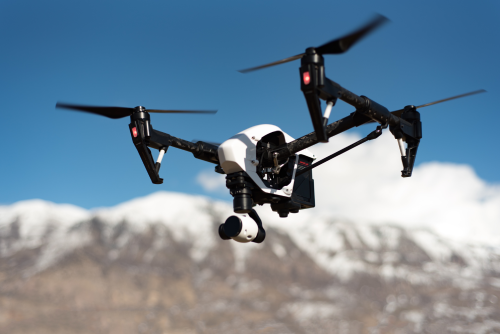
DJI Mini 2 SE is DJI’s entry-level mini camera drone, aimed at consumers who want a lightweight, travel-friendly aircraft without jumping into higher-priced creator models. It matters because it brings the core DJI flying experience, a stabilized camera, and beginner-friendly operation into a compact sub-250 g class platform. For buyers comparing small drones in 2026, it remains a relevant choice when simplicity, portability, and brand confidence matter more than premium imaging specs.
Quick Summary Box
- Drone Name: DJI Mini 2 SE
- Brand: DJI
- Model: Mini 2 SE
- Category: Consumer mini multirotor camera drone
- Best For: Beginners, casual aerial photography, travel, and hobby flying
- Price Range: Not publicly confirmed in supplied data
- Launch Year: 2023
- Availability: Active; regional retail availability should be verified
- Current Status: Active
- Overall Rating: Not rated due to limited confirmed data
- Our Verdict: A practical entry-level DJI drone for buyers who value portability and ease of use over 4K video, advanced sensing, or professional imaging flexibility
Introduction
The DJI Mini 2 SE is a Chinese-made consumer multirotor from DJI, positioned as an accessible mini drone for everyday users rather than enterprise operators or advanced creators. It serves first-time pilots, travelers, and casual content makers who want a compact aircraft with a stabilized camera and a familiar DJI software environment.
Readers care about this model because it sits near the entry point of DJI’s mainstream camera-drone lineup while still offering the brand’s core strengths: compact design, usable flight assistance, and generally polished app-driven operation. If you want a simple small drone for legal outdoor fun and basic photo/video capture, this is the kind of model that deserves a closer look.
What keeps the Mini 2 SE relevant is that many buyers do not actually need a long list of premium features. A lot of people simply want a drone that folds into a bag, powers on quickly, connects reliably, hovers with confidence, and records smooth video from the air. In that context, the Mini 2 SE continues to make sense. It is not built to win a specifications arms race; it is built to lower the barrier to entry.
That distinction matters in the real world. Plenty of new drone owners buy a more advanced model than they truly need, then use only a fraction of its capabilities. The Mini 2 SE takes the opposite approach. It focuses on the core experience: stable flight, a usable camera, portable size, and enough intelligent support to help newer pilots avoid frustration. For many recreational users, that is exactly the right formula.
Overview
What kind of drone is it?
The DJI Mini 2 SE is a foldable consumer multirotor camera drone in the mini class. It is designed for personal use, travel, casual filmmaking, and learning the basics of drone flight. It is not an FPV racer, not a heavy-lift platform, and not an industrial inspection or mapping aircraft.
More specifically, it belongs to the category of compact camera drones that prioritize convenience over modularity. You are buying a complete aerial imaging package rather than a platform for accessories, specialized sensors, or custom mission equipment. That makes it easier to understand for new buyers: there is less setup complexity, less confusion about compatibility, and fewer decisions to make before the first flight.
Who should buy it?
It is best suited to:
- First-time drone buyers
- Hobby pilots who want a recognizable mainstream brand
- Travelers who need a light, packable aircraft
- Casual creators making social media or vacation footage
- Families and recreational users who want something simpler than a prosumer drone
It can also suit buyers who previously owned toy drones and want to move into a more serious product without crossing into premium pricing. That step-up category is important. Many low-cost drones advertise impressive features on paper but deliver inconsistent control, poor stabilization, weak software, or unreliable support. The Mini 2 SE is attractive partly because it reduces that risk by coming from a mature ecosystem.
What makes it different?
What separates the Mini 2 SE from higher-tier DJI models is not extreme capability, but balance. It gives buyers a stabilized camera, compact foldable design, and a lightweight regulatory-friendly class in many markets, while accepting clear compromises such as modest camera resolution and limited sensing. In practical terms, it is a value-first DJI mini drone rather than a feature-maximizing one.
It also occupies an interesting place in the buying landscape. Some drones compete by stacking headline features. The Mini 2 SE competes by being approachable. It is easier to recommend to a cautious first-time buyer because its strengths are immediately understandable: it is small, relatively easy to transport, straightforward to operate, and supported by a widely known brand. For someone who wants a dependable first camera drone instead of a spec-sheet trophy, those qualities matter.
Key Features
The Mini 2 SE’s appeal comes less from any one standout specification and more from the way its features work together as a beginner-friendly package. The list below describes the confirmed capabilities most likely to matter in normal ownership.
- Sub-250 g class lightweight design
- Foldable multirotor airframe for travel and storage
- 12 MP camera on a 3-axis mechanical gimbal
- Up to 2.7K video recording
- 1/2.3-inch CMOS image sensor
- Up to 31 minutes of advertised flight time under ideal conditions
- DJI O2 video transmission system
- Up to 10 km maximum transmission distance in FCC conditions, with lower limits in some regions
- GNSS-based positioning for stable hovering and return-to-home
- QuickShots and Panorama modes
- DJI Fly app support
- Level 5 wind resistance rating up to 10.7 m/s
- No forward or rear obstacle avoidance in the confirmed spec set
A few of those features deserve extra context.
The sub-250 g class is a major selling point because it can simplify ownership in many jurisdictions compared with heavier drones, even though it does not eliminate the need to follow local laws. The 3-axis gimbal is another major value point because stable footage usually matters more to beginners than absolute image resolution. A mechanically stabilized camera can make the difference between footage that feels polished and footage that looks shaky or toy-like.
The DJI O2 transmission system also matters more than it may appear at first glance. For new pilots, confidence in the control link and live view experience can have a direct effect on enjoyment and safety. A drone that feels stable and predictable is easier to trust than one with a weak signal or unreliable video feed.
Finally, the absence of comprehensive obstacle avoidance is a real limitation, not a minor footnote. It means this drone rewards careful, conservative flying. Open spaces, good visibility, and gradual learning are the right environment for the Mini 2 SE. Buyers should understand that its safety comes more from stable flight and pilot awareness than from advanced sensing hardware.
Full Specifications Table
| Specification | Details |
|---|---|
| Brand | DJI |
| Model | DJI Mini 2 SE |
| Drone Type | Consumer foldable multirotor camera drone |
| Country of Origin | China |
| Manufacturer | DJI |
| Year Introduced | 2023 |
| Status | Active |
| Use Case | Entry-level aerial photography, travel, hobby flying |
| Weight | Under 249 g |
| Dimensions (folded/unfolded) | Approx. 138 × 81 × 58 mm folded; approx. 245 × 289 × 56 mm unfolded |
| Max Takeoff Weight | Not publicly confirmed in supplied data |
| Battery Type | Intelligent Flight Battery, Li-ion |
| Battery Capacity | 2250 mAh |
| Flight Time | Up to 31 minutes |
| Charging Time | Not publicly confirmed in supplied data |
| Max Range | Up to 10 km video transmission in FCC regions; lower in some regions |
| Transmission System | DJI O2 |
| Top Speed | Up to 57.6 km/h |
| Wind Resistance | Up to 10.7 m/s |
| Navigation System | GNSS positioning, including GPS, GLONASS, and Galileo |
| Obstacle Avoidance | Downward vision/infrared assistance only; no comprehensive forward/rear obstacle avoidance publicly confirmed |
| Camera Resolution | 12 MP |
| Video Resolution | Up to 2.7K |
| Frame Rates | 2.7K up to 30 fps; 1080p up to 60 fps |
| Sensor Size | 1/2.3-inch CMOS |
| Gimbal | 3-axis mechanical gimbal |
| Zoom | Digital zoom supported; exact effective magnification varies by recording mode |
| Storage | microSD card support |
| Controller Type | DJI remote controller, commonly from the RC-N1 family depending on bundle |
| App Support | DJI Fly |
| Autonomous Modes | Return to Home, Auto Takeoff/Landing, QuickShots, Panorama |
| Payload Capacity | Not publicly confirmed in supplied data |
| Operating Temperature | 0°C to 40°C |
| Water Resistance | No official water-resistance rating publicly confirmed |
| Noise Level | Not publicly confirmed in supplied data |
| Remote ID Support | Not publicly confirmed in supplied data; verify current regional firmware support |
| Geo-fencing | DJI airspace warning / geofencing ecosystem support should be verified for current regional implementation |
| Certifications | Not publicly confirmed in supplied data |
| MSRP / Launch Price | Not publicly confirmed in supplied data |
| Current Price | Not publicly confirmed in supplied data |
The specification sheet tells a clear story: this is a lightweight recreational camera drone with sensible fundamentals rather than an all-around premium aircraft. If you look at the table and wish it had obstacle sensing in multiple directions, 4K video, a larger sensor, or stronger low-light performance, you are already drifting toward a higher class of drone. If instead you see enough to cover travel footage, weekend flying, and beginner practice, then the Mini 2 SE is positioned correctly for you.
Design and Build Quality
The Mini 2 SE follows the familiar DJI mini-drone formula: compact body, folding arms, low overall mass, and a camera mounted on a true mechanical gimbal rather than relying only on electronic stabilization. That matters because it makes the drone easier to pack, easier to carry on trips, and less intimidating for newer pilots than larger camera drones.
In build terms, this is a lightweight consumer aircraft rather than a rugged field tool. The likely design priority is portability and convenience, not crash resistance, bad-weather operation, or heavy payload handling. For the intended audience, that is usually the right trade-off.
A few practical observations stand out:
- The foldable design is useful for travel and quick storage.
- The short landing stance is typical of mini drones, so clean, flat takeoff areas are preferable.
- Consumable parts such as propellers and batteries are easier to manage than on many toy-grade drones.
- It is not a weather-sealed platform and should not be treated like an all-condition aircraft.
The design language is also part of its appeal. DJI’s mini drones tend to feel purpose-built rather than gimmicky. The proportions, folding mechanism, and controller ecosystem are all aimed at reducing friction between unpacking and flying. That can sound like a small thing, but user experience matters a lot in entry-level products. A drone that is awkward to carry, slow to prepare, or confusing to unfold is a drone that gets used less often.
From a travel perspective, the Mini 2 SE makes a lot of sense. It fits neatly into day bags, luggage, and compact cases, and it does not demand the kind of dedicated storage that larger drones often do. For people who hike, road trip, or regularly carry a camera bag, this can make the difference between bringing a drone along and leaving it behind.
That said, small size also introduces trade-offs. A light airframe will never feel as planted in gusty conditions as a heavier drone. A low-profile body is easier to store, but the compact landing clearance means rough ground, sand, wet grass, or loose debris can become more relevant during takeoff and landing. New pilots are often surprised by how much the launch surface matters to a small drone.
From a buyer perspective, the build appears well aligned with entry-level aerial photography and casual flying, but not with rough industrial work or repeated hard use in difficult environments. It should be treated as a precision consumer electronics product, not as a rugged outdoor machine.
Flight Performance
On paper, the Mini 2 SE offers the kind of flight profile most beginners want: stable hovering, predictable handling, good portability, and enough transmission range to feel confident within legal line-of-sight use. The official maximum transmission figure is up to 10 km in FCC conditions, but real-world safe flying should stay well inside local legal limits and visual line of sight requirements.
Its advertised flight time of up to 31 minutes is solid for a mini drone, though that figure should be read as an ideal-condition maximum. In actual use, wind, speed changes, recording, and conservative landing reserves will reduce usable airtime.
In practical terms, its flight character is likely to feel:
- Stable outdoors in light to moderate wind
- More capable than toy drones in positional hold and signal confidence
- Beginner-friendly during takeoff, hover, and basic camera moves
- Less forgiving in fast or obstacle-dense environments because advanced obstacle sensing is not a headline strength here
The published wind resistance rating is respectable for a drone in this size class. Even so, mini drones can still get pushed around by gusts more than larger aircraft. For new pilots, that means calmer conditions are still the smart place to learn.
A key point for beginners is that “easy to fly” does not mean “impossible to crash.” The Mini 2 SE is likely to feel much more controlled than low-cost toy drones thanks to GNSS support, altitude stability, and better signal handling, but it still depends heavily on pilot judgment. Trees, cables, poles, roofs, and moving backdrops can catch out new users quickly, especially when they become more comfortable and start flying backwards or sideways for cinematic shots.
The top speed rating also deserves context. Speed numbers can sound exciting in marketing, but for most entry-level owners, the more important question is how well the drone handles normal movements such as slow reveals, gentle rises, broad pans, and clean return flights. The Mini 2 SE’s real strength is not raw speed; it is usable control. Most owners will get more benefit from stable hovering and predictable response than from sportier performance.
Battery behavior in actual use is another area where expectations should be realistic. “Up to 31 minutes” is best read as a ceiling, not a promise. If you launch, climb, move around a lot, fight wind, shoot actively, and leave a strong safety margin for landing, your practical session time per battery will usually be lower. That is normal. Anyone planning regular outings should strongly consider extra batteries, because battery count often affects user satisfaction more than a minor difference in headline specs.
Indoor flight is possible in limited situations, but this is generally better treated as an outdoor drone. Tight indoor spaces, reduced GPS reliability, and the lack of robust obstacle avoidance make small-room flying less suitable for inexperienced users. Open outdoor areas remain the best environment for learning.
In broad terms, the Mini 2 SE is likely to satisfy beginners who want confidence and simplicity, provided they respect weather, space, and line-of-sight discipline. It is not meant to replace a more advanced drone in complex flying conditions, but it does not need to. Its mission is to make everyday aerial flying approachable.
Camera / Payload Performance
The Mini 2 SE is fundamentally a camera drone, but a budget-oriented one. Its 12 MP, 1/2.3-inch sensor and 3-axis gimbal should be enough for daylight travel clips, family footage, scenic shots, and casual social media content. The gimbal matters more than the raw resolution number, because stable footage is often the biggest quality jump over lower-end toy drones.
The main limitation is the recording ceiling: up to 2.7K rather than 4K. That does not make it unusable, but it does narrow flexibility for cropping, reframing, or future-proofing. Buyers who care a lot about resolution may quickly compare it with nearby 4K-capable models.
Image quality expectations should be realistic:
- Good enough for casual daytime use
- Clearly more polished than entry toy-drone video
- Less suitable for demanding professional delivery
- Limited in low light compared with larger-sensor drones
Because the sensor is small, low-light performance and dynamic range will not match newer or more expensive creator-focused drones. Sunset clips and shaded scenes can still look nice, but this is not the model to buy purely for serious cinematic work.
In the right conditions, though, the Mini 2 SE can still produce pleasing results. Bright daylight, open landscapes, coastlines, rural scenes, parks, beaches, and vacation environments all play to its strengths. If your main use is recording short clips for memory-keeping, social posting, personal projects, or hobby editing, the camera setup is often sufficient.
The 12 MP still-photo capability is similarly best seen through the lens of practicality rather than aspiration. It is enough for casual aerial images, online use, and personal albums. It is not the kind of specification that invites comparisons with dedicated photography drones or interchangeable-lens systems. For many buyers, that is acceptable because they are prioritizing convenience over photographic depth.
The gimbal is arguably the most important hardware feature on the aircraft. Resolution numbers are easy to compare, but the gimbal is what helps footage look controlled and intentional. Smooth hovering, steady horizon behavior, and reduced shake do more for basic aerial video quality than many new users expect. This is one reason the Mini 2 SE can still feel like a meaningful upgrade over much cheaper drones, even if the camera specification itself is modest.
Digital zoom support may be useful in a limited, convenience-oriented way, but it should not be mistaken for optical flexibility. Buyers should treat it as a situational tool rather than a core reason to choose the drone.
On the payload side, no meaningful interchangeable payload ecosystem is publicly confirmed in the supplied data. This is not an industrial platform for mapping sensors, delivery modules, or inspection payloads. It is best understood as a compact fixed-camera aircraft.
That fixed-camera identity is actually a strength for the intended market. It keeps the drone light, simple, and easy to use. But it also sets a clear ceiling: if your workflow depends on thermal imaging, photogrammetry payloads, spotlight modules, or mission-specific accessories, this is the wrong class of aircraft.
Smart Features and Software
DJI’s software layer is part of the Mini 2 SE’s appeal. Even at the entry level, buyers typically want a drone that does the basics well: reliable app pairing, clear status information, guided safety prompts, and a dependable return-to-home function.
Confirmed or broadly associated features for this model include:
- DJI Fly app support
- Automatic takeoff and landing assistance
- Return to Home
- QuickShots
- Panorama capture
- GNSS-based hover support
That feature set is useful, but still basic compared with premium DJI models. There is no strong reason to buy the Mini 2 SE for advanced autonomy. If you need obstacle-aware tracking, enterprise mission planning, mapping workflows, or deeper SDK-dependent integration, you should verify compatibility carefully before purchase rather than assuming those capabilities.
In short, the software experience is likely strongest in ease of use, not in high-end automation.
For beginners, that ease-of-use focus is valuable. A good entry-level drone should reduce anxiety during the first few flights. Things like preflight prompts, battery information, home-point awareness, and straightforward camera controls can make a new pilot feel significantly more comfortable. DJI’s broader reputation in the market comes partly from making these interactions feel polished and understandable.
QuickShots and Panorama modes are especially useful for casual owners because they help create more interesting outputs without requiring advanced manual flying skills. Someone who is still learning how to coordinate yaw, pitch, altitude, and framing can still produce engaging clips through semi-automated capture modes. That lowers the skill barrier while keeping the experience fun.
Return-to-Home is another key reassurance feature, but users should understand its limits. It is a helpful safety tool, not a substitute for awareness. Pilots should still set suitable return altitudes and maintain enough battery reserve, and they should avoid assuming that automation can reliably solve every mistake in obstacle-rich environments.
Overall, the Mini 2 SE’s smart features are best described as practical rather than sophisticated. They support the core mission of simple recreational flying well, even if they do not push into premium levels of automation.
Use Cases
The most realistic use cases for the DJI Mini 2 SE are straightforward, everyday flying tasks:
- Learning to fly a camera drone
- Travel and vacation aerial footage
- Casual landscape and outdoor photography
- Family events and recreational filming where legal
- Social media video capture
- Hobby flying in parks, open fields, and scenic areas
- Basic practice for camera movement and flight discipline
- Lightweight backup drone use for non-critical personal shooting
It is less convincing for technical mapping, commercial inspection, heavy wind operations, low-light content production, or any workflow needing interchangeable payloads.
A useful way to think about the Mini 2 SE is as a “bring-it-with-you” drone. It fits the kind of ownership where the aircraft goes into a day pack, comes out for a few flights during a trip, captures some scenic footage, then packs away again without much effort. That makes it ideal for vacations, weekend drives, hiking breaks, coastal visits, and casual outdoor sessions.
It also works well as a learning platform. New pilots can practice core skills such as hovering, box patterns, smooth climbs, coordinated turns, and basic reveal shots without the intimidation of a larger or more expensive drone. For many people, this matters more than advanced camera specs. A drone you feel comfortable learning on can be more valuable than a more capable one that feels stressful to operate.
The Mini 2 SE can also make sense as a family-friendly recreational device, provided it is used responsibly. People often want a drone to document special places, not necessarily to produce commercial content. A small drone that can capture a cabin trip, a beach outing, or a mountain overlook can be plenty.
As a backup drone, it is a more situational recommendation. For personal use, it is easy to justify as a lightweight secondary aircraft. For professional work, however, its limitations in image quality and safety features mean it is better treated as a convenience option than as a critical mission backup.
Pros and Cons
Pros
- Lightweight sub-250 g class design is easy to carry and attractive for travel
- Foldable airframe makes storage and transport simple
- 3-axis gimbal gives smoother footage than many low-cost toy drones
- Up to 31 minutes of advertised flight time is strong for the class
- DJI O2 transmission system is credible and well suited to beginner confidence
- DJI Fly app and core automation features help new pilots get started
- Active model status is generally better than buying into a fully legacy platform
These advantages add up to a drone that is easy to recommend to beginners who value a low-friction ownership experience. The Mini 2 SE’s strength is not specialization; it is accessibility. It removes many of the rough edges that often come with very cheap drones and packages the essentials in a form factor that people actually want to carry.
Cons
- Video tops out at 2.7K, which is less appealing now that 4K is common
- Small 1/2.3-inch sensor limits low-light performance and broader image flexibility
- No comprehensive obstacle avoidance in the confirmed spec set
- Not a rugged or weather-sealed aircraft
- No publicly confirmed payload capability for specialized work
- Exact current price and some compliance features still need regional verification
- Less future-proof than stepping up to a higher-spec mini drone if prices are close
These drawbacks are not deal-breakers for every buyer, but they do define the Mini 2 SE’s ceiling. The biggest issue is value positioning. If it is available at a clearly lower price than stronger alternatives, its compromises are easier to accept. If it sits too close to better-equipped models, the buying case becomes weaker.
Comparison With Other Models
| Model | Price | Flight Time | Camera or Payload | Range | Weight | Best For | Winner |
|---|---|---|---|---|---|---|---|
| DJI Mini 2 SE | Not publicly confirmed in supplied data | Up to 31 min | 12 MP, 1/2.3-inch sensor, up to 2.7K video | Up to 10 km | Under 249 g | Beginners and budget-minded DJI buyers | Best if priced clearly below 4K alternatives |
| DJI Mini 4K | Not publicly confirmed in supplied data | Up to 31 min | 12 MP, 1/2.3-inch sensor, up to 4K video | Up to 10 km | Under 249 g | Buyers wanting similar size with higher video resolution | Winner for resolution |
| DJI Mini 3 | Not publicly confirmed in supplied data | Up to 38 min | Larger-sensor 4K-focused camera platform | Up to 10 km | Under 249 g | Travelers and creators wanting better image quality | Winner for imaging and endurance |
| DJI Mini 2 | Not publicly confirmed in supplied data | Up to 31 min | 12 MP, 1/2.3-inch sensor, up to 4K video | Up to 10 km | Under 249 g | Shoppers comparing used or older stock | Winner only if used pricing is especially favorable |
The Mini 2 SE makes the most sense when its actual selling price is meaningfully below nearby 4K-capable alternatives. If the gap is small, higher-resolution models may offer better long-term value.
DJI Mini 2 SE vs a close competitor
Against the DJI Mini 4K, the Mini 2 SE’s main challenge is obvious: both are compact entry-level DJI minis, but the Mini 4K raises video resolution without fundamentally changing the portability story. If the price difference is minor in your market, the Mini 4K is usually the stronger buy on paper.
That does not make the Mini 2 SE irrelevant, though. Some buyers place a premium on immediate affordability, bundle availability, or retailer support. If the Mini 2 SE appears in a more attractive package, or if stock and warranty conditions favor it, it can still be the easier purchase. But purely on capability-per-size, the Mini 4K creates pressure.
DJI Mini 2 SE vs an alternative in the same segment
Compared with the DJI Mini 3, the Mini 2 SE is the simpler, more budget-focused option. The Mini 3 is better suited to buyers who care about image quality, longer official endurance, and a more creator-oriented package. The Mini 2 SE remains the easier value pick if your priorities are entry cost and basic flying.
This comparison is often where buyers make the most important decision: do you want a starter drone, or do you want a compact drone you can grow into for a longer period? If your answer is “starter drone,” the Mini 2 SE fits well. If your answer is “something I won’t outgrow quickly,” the Mini 3 or above often makes more sense.
DJI Mini 2 SE vs an older or previous-generation option
Compared with the older DJI Mini 2, the Mini 2 SE is not automatically the winner just because it is newer in name. The Mini 2 is still relevant in comparisons because of its 4K capability. Buyers should compare actual asking price, warranty status, battery health, and regional support rather than assuming one clearly dominates every scenario.
This is especially true in the used market. A well-kept older model with better recording specs may be the smarter buy than a newer entry-level model, but only if the battery condition, account status, and overall support situation are good. Used drone shopping always requires more care than buying new.
Manufacturer Details
DJI is both the brand and the manufacturer here. The company is headquartered in Shenzhen, China, and has been one of the most influential names in civilian drones since the mid-2000s. In practical market terms, DJI helped define the modern camera-drone category for consumers and also built major positions in enterprise drones, handheld gimbals, and imaging accessories.
Its major drone lines have included consumer and prosumer camera platforms, FPV products, and enterprise aircraft for inspection, mapping, and public-safety-style workflows. That reputation matters because even an entry-level DJI product benefits from a broader ecosystem, stronger general market awareness, and more mature software than many low-cost no-name alternatives.
For buyers, brand strength matters in more ways than marketing. It affects accessory availability, repairability, tutorial coverage, community support, and the likelihood that firmware and app experiences feel reasonably refined. With a beginner drone, those ecosystem advantages can be more important than one extra line on a feature list.
Support and Service Providers
One advantage of choosing a DJI-branded consumer drone is that support options are usually easier to find than with obscure budget brands. Buyers should still verify support in their own region, but the overall ecosystem is more developed than the toy-drone end of the market.
What to expect:
- Official customer support through the DJI support portal
- Region-dependent repair or mail-in service options
- Spare propellers, batteries, and common accessories that are easier to source than niche-brand parts
- Large user communities, tutorials, and troubleshooting discussions online
- Retailer-level support if purchased through an authorized dealer
Before buying, verify:
- Whether local repair service is available in your country
- Warranty handling terms for your specific retailer and region
- Availability of genuine batteries and replacement parts
- Whether accidental-damage coverage or service plans are offered for your market
The community factor is especially useful for beginners. Because DJI products are widely used, it is easier to find setup guides, maintenance advice, regulatory tips, and troubleshooting resources. That reduces the learning curve and helps owners solve common problems without guesswork.
Where to Buy
For an active DJI consumer drone, the most sensible purchase routes are:
- Official brand store
- Authorized drone dealers
- Major electronics retailers
- Camera and content-creation stores
- Reputable online marketplaces with clear seller support
- Certified refurbished channels where available
If buying used or refurbished, confirm the following before paying:
- Battery condition and cycle history
- Crash or repair history
- Included controller type
- Whether the aircraft is linked to another user account
- Presence of charger, propellers, and required accessories
- Regional firmware and warranty limitations
Because this is a consumer product, availability can vary by region, stock levels, and local regulations.
Buying through reputable channels is particularly important with drones because account lock issues, missing accessories, poor battery health, or unofficial components can turn a bargain into a problem. With the Mini 2 SE, the product itself is simple enough that a clean purchase path often matters as much as the drone’s specification.
Price and Cost Breakdown
The exact launch MSRP and current street price are not publicly confirmed in the supplied data, so buyers should verify live pricing directly through the official store or authorized retailers. That matters because DJI pricing can differ by country, tax structure, bundle type, and promotional periods.
When budgeting, do not stop at the aircraft price alone. Total ownership cost may include:
- Extra batteries
- Charging hub
- Spare propellers
- microSD card
- Carrying case
- ND filters
- Propeller guards if desired
- Replacement repairs after minor crashes
- Optional care or insurance-style protection plans where available
If you are comparing the Mini 2 SE with a slightly more expensive alternative, check whether the higher-priced drone includes meaningful upgrades such as 4K video or a better camera. In some markets, a small step up may be worth it. In others, the Mini 2 SE may remain the better value buy if heavily discounted.
One of the most common mistakes first-time buyers make is underestimating accessory costs. A drone with a single battery and no storage card may get you airborne, but it may not give you the ownership experience you expect. Extra batteries in particular can transform a good purchase into a satisfying one. For many casual users, two or three batteries matter more than a small improvement in image spec.
Regulations and Compliance
The Mini 2 SE sits in the lightweight mini-drone class, which can matter a lot for regulation. In many jurisdictions, sub-250 g drones face fewer burdens than heavier aircraft, but that does not mean they are exempt from all rules.
Buyers should verify local requirements for:
- Drone registration
- Pilot competency or online knowledge tests
- Remote ID or network identification obligations
- Maximum altitude rules
- Visual line of sight requirements
- No-fly zones and controlled airspace permissions
- Commercial-use licensing or certification
- Privacy and filming restrictions
A few practical reminders:
- Lightweight does not mean unrestricted.
- Commercial use may trigger extra obligations even for small drones.
- Local airspace and privacy law always matter more than generic internet advice.
- Remote ID support should be verified by region and firmware version rather than assumed.
This is one of the Mini 2 SE’s strongest practical advantages: in many places, the under-250 g class makes ownership less burdensome than larger drones. For recreational users, that can significantly improve convenience. But buyers should avoid assuming universal exemption, because rules vary widely and can change over time.
Travelers should be especially careful. Even if the drone is legally simple to own at home, visiting another country or region may involve different registration, import, or flight restrictions. Anyone planning to travel with the Mini 2 SE should check the rules before departure, not after arrival.
Who Should Buy This Drone?
Best for
- First-time drone owners who want a mainstream brand
- Travelers who need a compact foldable drone
- Hobby flyers who prioritize ease of use
- Casual content creators who mainly shoot in daylight
- Buyers who want DJI basics without jumping into a premium price tier
Not ideal for
- Creators who specifically want 4K as a minimum standard
- Professional users needing stronger image quality or workflow flexibility
- Pilots who want robust obstacle avoidance
- Enterprise teams doing mapping, inspection, or payload-based missions
- Users expecting all-weather durability
- Buyers who can get a significantly better-spec mini drone for only a small extra cost
The ideal Mini 2 SE buyer is someone who values a smooth introduction to camera drones. If you care more about getting in the air reliably than about extracting every bit of image performance, it is a sensible fit. If your budget is tight but you still want a recognized ecosystem, it becomes even more attractive.
The wrong buyer is someone who already knows they will want 4K, stronger low-light results, or more advanced safety features within a few months. In that case, buying higher once may be smarter than upgrading later.
Final Verdict
The DJI Mini 2 SE remains a sensible, buyer-friendly entry point into the DJI ecosystem. Its biggest strengths are portability, approachable handling, a stabilized camera, and the confidence that comes with a widely recognized brand and mature app experience. Its biggest drawbacks are equally clear: 2.7K video instead of 4K, a small sensor, and a basic safety stack without advanced obstacle avoidance.
For beginners, casual travelers, and hobbyists who want a compact mini drone that keeps things simple, the Mini 2 SE is easy to understand and easy to justify. It covers the fundamentals well: it packs small, flies in a controlled way, records stable footage, and benefits from DJI’s broader software and support ecosystem. For many people, that is enough.
But it is only the best buy if the price gap versus higher-spec mini drones is meaningful. If it is not, stepping up may deliver better long-term value. If it is, the DJI Mini 2 SE is still one of the cleaner low-friction ways to start flying a proper camera drone.
In other words, this is not the mini drone to buy because it wins every comparison on paper. It is the mini drone to buy because it keeps the experience approachable. If your goal is simple aerial photography, travel convenience, and a trustworthy first step into the hobby, the DJI Mini 2 SE still earns its place on the shortlist.
