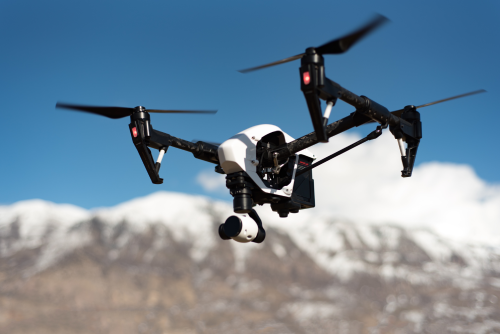
The Hubsan Zino Mini Pro is a compact consumer camera drone designed for hobbyists and everyday aerial creators who want a portable multirotor rather than a large, specialist aircraft. It matters because it sits in the highly competitive mini camera-drone category, where buyers usually care most about portability, camera quality, safety features, and ease of travel. Based on the supplied manufacturer-backed record, it is an active Hubsan model from China aimed squarely at consumer use.
What makes this model especially interesting is the segment it enters. Small, foldable camera drones have become the default choice for a huge part of the market: travelers, casual videographers, weekend pilots, and anyone who wants aerial footage without committing to a large, heavy, and more regulation-sensitive aircraft. In that class, the Zino Mini Pro appears to aim for a premium feel without fully premium-brand pricing, at least on paper. That creates obvious appeal, but it also creates a more careful buying process, because mini drones are judged not just by hardware but by software polish, support quality, battery availability, and the ease of getting help if something goes wrong.
This article keeps a cautious, buyer-focused approach. Where exact details are not fully confirmed in the supplied data, that uncertainty is stated clearly. That is important with this drone, because the difference between a good purchase and a frustrating one may come down less to the aircraft’s brochure features and more to the exact regional version, seller quality, and long-term support.
Quick Summary Box
- Drone Name: Hubsan Zino Mini Pro
- Brand: Hubsan
- Model: Zino Mini Pro
- Category: Consumer camera drone
- Best For: Travel-friendly aerial photography, casual video creation, hobby flying
- Price Range: Not publicly confirmed in supplied data
- Launch Year: 2021 is widely reported, but should be verified by region
- Availability: Active status, but retail availability is region-dependent
- Current Status: Active
- Overall Rating: Not rated due to limited confirmed data
- Our Verdict: A promising mini-class camera drone with strong on-paper appeal, but buyers should verify exact specs, support, and seller reliability before choosing it over better-documented rivals
Introduction
The Zino Mini Pro is an active consumer multirotor sold under the Hubsan brand and manufactured by Hubsan in China. It is positioned as a portable camera drone for users who want stabilized aerial footage in a compact format. For readers comparing lightweight travel drones, the Zino Mini Pro is relevant because it appears to target the same convenience-first market served by other mini foldable camera drones, while offering Hubsan’s take on features such as intelligent flight assistance and creator-focused imaging.
That positioning matters. The modern mini-drone category is no longer a novelty niche. It is where many first-time drone buyers start, and where many experienced pilots end up for day-to-day flying because small drones are easy to pack, fast to launch, and less intimidating to carry on a trip. A travel-friendly drone that can capture stable 4K footage, fit in a small bag, and potentially stay within lower-weight regulatory classes is a very attractive proposition.
The Zino Mini Pro therefore needs to be evaluated in two different ways at once. First, there is the aircraft itself: size, camera, gimbal, endurance, obstacle sensing, and transmission range. Second, there is ownership reality: app reliability, firmware support, replacement parts, batteries, warranty service, and regional seller trust. Plenty of drones look impressive in a specification sheet. Far fewer remain convenient and confidence-inspiring after months of real use. For many shoppers, that second layer will matter just as much as the first.
Overview
What kind of drone is it?
The Hubsan Zino Mini Pro is a consumer camera drone built around a multirotor airframe. In practical terms, that means it is intended for stabilized photo and video capture, straightforward recreational flying, and portable day-to-day use rather than industrial payload work or FPV racing.
Publicly available retail information commonly places it in the mini, foldable camera-drone class. That class usually prioritizes low weight, easy transport, quick setup, and beginner-friendly flight aids. It is the category designed for people who want the drone to disappear into a backpack until needed, then unfold quickly and start filming with minimal setup stress.
That also tells you what this drone is not. It is not a specialist mapping aircraft, not an agricultural sprayer, not a heavy-lift platform, and not a racing quad. If your expectations are aligned with recreational aerial imaging and hobby flight, the product category makes sense. If your expectations involve enterprise workflows, repeated harsh-weather deployment, or payload flexibility, this class is usually the wrong tool.
Who should buy it?
This model makes the most sense for:
- Hobby flyers who want a compact camera drone
- Travelers who value a small bag footprint
- Casual creators filming vacations, landscapes, and social content
- Buyers interested in a DJI alternative and willing to verify support details carefully
- Users who want a camera-led flying experience rather than payload flexibility
It may also appeal to a specific kind of value-conscious buyer: someone who likes higher-end mini-drone features on paper but does not automatically want to buy the market leader. That buyer usually accepts a bit more research effort in exchange for potential savings or feature-per-dollar appeal. If that describes you, the Zino Mini Pro becomes interesting.
On the other hand, buyers who prioritize certainty above all else may hesitate. If your personal checklist starts with “best app,” “easiest repairs,” “widest dealer support,” or “most documented ownership experience,” then this drone may be less attractive than a stronger-ecosystem rival, even if its raw hardware looks competitive.
What makes it different?
What makes the Zino Mini Pro stand out is its apparent attempt to bring premium-style camera-drone features into a small, consumer-friendly package. Public retail listings commonly associate it with a larger sensor than entry-level mini drones, a 3-axis gimbal, obstacle sensing, and long advertised flight endurance for its class.
That combination matters because mini drones often involve compromises. Some are compact but weak in the camera department. Some have good video but limited safety features. Some are affordable but clearly stripped down. The Zino Mini Pro’s appeal is that it appears to try to avoid feeling overly basic.
The main difference versus the market leaders is not just hardware. It is also ecosystem depth. Hubsan has long experience in consumer drones, but buyers often compare its app polish, spare-parts access, and after-sales confidence against larger competitors before committing. In this segment, ecosystem strength affects the ownership experience in a very direct way. A better support network can be worth paying for if you fly often, travel regularly, or need fast turnaround after a mishap.
Key Features
Publicly listed retail versions of the Zino Mini Pro are commonly associated with the following features, though buyers should verify the exact regional SKU and firmware package:
- Compact foldable consumer multirotor design
- Approximate sub-250 g class positioning, which may matter for some travel and regulation scenarios
- Camera-led platform for aerial photo and video capture
- 3-axis mechanical gimbal for stabilized footage
- 1/1.3-inch CMOS camera sensor commonly listed on retail pages
- Up to 48 MP photo capability commonly listed
- Up to 4K video recording commonly listed
- Tri-directional obstacle sensing/avoidance commonly listed
- GPS/GNSS-assisted flight with return-to-home functionality commonly listed
- Intelligent tracking features commonly listed
- Long advertised endurance for a mini-class drone
- Long advertised transmission range for a consumer travel drone
These features, if present in your specific version, place the drone above toy-grade expectations. The gimbal and sensor size are particularly important, because they influence the actual quality of the footage more than headline range numbers do. Obstacle sensing is also notable in this size class, since it can add confidence for newer pilots and help when filming in environments with moderate complexity.
At the same time, every listed feature should be understood in context. For example, “48 MP” does not automatically mean the still photos outperform every lower-resolution drone in practice, because sensor processing and image quality matter as much as pixel count. “Up to 40 minutes” is usually a best-case claim, not a guaranteed real-world flight time. “Obstacle avoidance” is useful, but it should never be treated like a guarantee against crashes. The smartest way to read the feature list is as a starting point for evaluation, not as proof of real-world superiority.
Full Specifications Table
| Specification | Details |
|---|---|
| Brand | Hubsan |
| Model | Zino Mini Pro |
| Drone Type | Consumer camera drone, multirotor |
| Country of Origin | China |
| Manufacturer | Hubsan |
| Year Introduced | 2021 is widely reported, but not confirmed in supplied data |
| Status | Active |
| Use Case | Aerial photography, travel video, hobby flying |
| Weight | Approx. 249 g class is widely listed; verify exact configuration |
| Dimensions (folded/unfolded) | Not publicly confirmed in supplied data |
| Max Takeoff Weight | Not publicly confirmed in supplied data |
| Battery Type | Smart Li-ion flight battery is commonly listed |
| Battery Capacity | Not publicly confirmed in supplied data |
| Flight Time | Up to 40 minutes advertised in public retail listings |
| Charging Time | Not publicly confirmed in supplied data |
| Max Range | Up to 10 km advertised in public retail listings |
| Transmission System | Digital transmission system; exact naming varies across public listings |
| Top Speed | Up to 16 m/s, commonly listed in public retail specs |
| Wind Resistance | Approx. 10.7 m/s / Level 5 is commonly listed |
| Navigation System | GNSS-assisted positioning; exact satellite constellation mix not publicly confirmed in supplied data |
| Obstacle Avoidance | Tri-directional obstacle sensing/avoidance commonly listed |
| Camera Resolution | Up to 48 MP photo commonly listed |
| Video Resolution | Up to 4K video commonly listed |
| Frame Rates | 4K up to 30 fps commonly listed; other modes not publicly confirmed in supplied data |
| Sensor Size | 1/1.3-inch CMOS commonly listed |
| Gimbal | 3-axis mechanical gimbal commonly listed |
| Zoom | Not publicly confirmed in supplied data |
| Storage | Storage configuration varies by version; verify internal storage and card support by SKU |
| Controller Type | Handheld remote controller with mobile-device integration |
| App Support | Hubsan mobile flight app; exact app naming may vary by region/version |
| Autonomous Modes | Return to home and intelligent tracking are commonly listed; full mode set should be verified |
| Payload Capacity | Not publicly confirmed in supplied data |
| Operating Temperature | Not publicly confirmed in supplied data |
| Water Resistance | Not publicly confirmed in supplied data |
| Noise Level | Not publicly confirmed in supplied data |
| Remote ID Support | Not publicly confirmed in supplied data; verify by region and firmware |
| Geo-fencing | Not publicly confirmed in supplied data |
| Certifications | Not publicly confirmed in supplied data |
| MSRP / Launch Price | Not publicly confirmed in supplied data |
| Current Price | Not publicly confirmed in supplied data |
The table above is best read as a practical buyer checklist rather than a final authority. On this model, exact configuration can matter a lot. Different regional listings, retailer bundles, firmware versions, and production runs can create confusion around what is truly standard versus what is only commonly advertised. If you are close to buying, compare the exact product page, manual, app compatibility notes, and current seller documentation before placing an order.
Design and Build Quality
As a consumer multirotor camera drone, the Zino Mini Pro is best understood as a portability-first aircraft. The overall product concept strongly suggests a lightweight foldable frame intended for travel, quick deployment, and easy storage in a small shoulder bag or day pack.
That is one of the biggest reasons mini drones have become so popular. A larger drone may offer stronger wind performance or a broader professional ecosystem, but many people simply do not want to carry one. A compact foldable design lowers the barrier to actually bringing the drone along. In real life, the best drone is often the one you are willing to carry every day. If a drone is too bulky, too heavy, or too inconvenient, it stays home. The Zino Mini Pro’s basic design philosophy appears to aim directly at solving that problem.
In this class, manufacturers typically use molded composite or plastic structures to keep weight down, and the likely tradeoff is the same here: strong everyday portability, but less crash tolerance than heavier prosumer or industrial airframes. That is not a flaw in itself. It is simply what the category is built for. The lighter the airframe, the more carefully you need to treat it during transport, landing, and storage.
The foldable arms and compact body also mean that small details matter more than they do on heavier drones. Hinge stiffness, propeller fit, gimbal protector quality, battery seating, and controller ergonomics all influence the ownership experience. Even when the main airframe is well designed, a mediocre carrying solution or fragile gimbal area can create inconvenience over time. Because the supplied data does not confirm every build detail, buyers should pay close attention to owner photos, unboxing videos, and long-term user feedback if available in their region.
If your buying priority is convenience, the Zino Mini Pro’s mini-drone positioning is a major advantage. If your buying priority is rugged field abuse, wet-weather work, or repeated heavy-wind operations, this type of design is inherently less suitable. No water resistance or hardened field-rugged rating is confirmed in the supplied data, so it should be treated as a fair-weather consumer aircraft unless official documentation says otherwise.
One final practical note on build quality: mini drones are often carried loose in backpacks, packed for travel, or handled quickly in changing locations. That makes accessory quality unusually important. A good case, spare props, a gimbal cover, and reliable batteries can matter nearly as much as the drone’s shell design. Ownership convenience is a system, not just an airframe.
Flight Performance
Without claiming hands-on testing, the most responsible reading is that the Zino Mini Pro is designed to deliver stable, GPS-assisted camera flight rather than aggressive manual performance. Public retail specs commonly cite long endurance and a respectable transmission range for a mini drone, which on paper makes it attractive for scenic flights, travel clips, and general recreational use.
A lightweight mini-class drone usually has three practical flight traits:
- It is easy to carry and quick to launch
- It is generally forgiving in calm to moderate outdoor conditions
- It is more vulnerable to gusts than a heavier aircraft
That likely applies here as well. If the commonly listed wind-resistance figures are accurate for your version, the Zino Mini Pro should be competent for normal outdoor consumer flying, but buyers should still expect wind to affect battery life, hover stability, and footage smoothness more than on larger drones.
The advertised top speed is strong enough for a consumer camera platform, but speed alone is not the main story. For most buyers, what matters more is how confidently it holds position, returns home, and maintains link quality. Those traits depend heavily on firmware maturity, local radio conditions, and the condition of the battery pack and antennas.
The often-advertised endurance figure deserves context too. “Up to 40 minutes” is typically a laboratory-style number achieved under favorable conditions: lower wind, steady speed, clean battery health, and conservative flight behavior. Real-world results are almost always lower. If you fly in breezy weather, climb repeatedly, use sportier maneuvers, or spend time filming against the wind, your practical flight time can drop noticeably. That does not make the claim false, but it does mean buyers should plan realistic session length around usable rather than maximum minutes.
Transmission range should be viewed the same way. Long advertised range sounds impressive, but most responsible pilots fly well within visual line of sight and within local legal limits. In practice, a reliable and stable connection matters more than the absolute kilometer claim. Urban interference, terrain, trees, Wi-Fi congestion, and your controller/phone setup all affect real performance. A drone with a lower theoretical range but stronger real-world link consistency is often the better experience.
Return-to-home is another feature that sounds simple but carries a lot of operational importance. On a travel drone, return-to-home is one of the main safety systems buyers depend on. It can help if signal quality drops, battery gets low, or orientation becomes confusing. But like all automated safety functions, it works best when the pilot has set an appropriate home point and understands the route the drone may take back. Obstacles, changing launch locations, and moving takeoff points can complicate automated return behavior.
Indoor use is possible in a literal sense for many small multirotors, but that does not make it ideal. Tight indoor flying adds collision risk, reduced GPS reliability, and limited margin for obstacle sensing systems. The Zino Mini Pro is best treated primarily as an outdoor camera drone. If you need consistent indoor operation, a dedicated cinewhoop or prop-guarded indoor platform is usually the better choice.
Overall, the likely flight profile here is clear: stable, camera-first, easy to transport, and best suited to normal outdoor recreational conditions. That is exactly what many buyers want from a mini drone.
Camera / Payload Performance
The Zino Mini Pro is a camera-led consumer drone, and that is the core of its appeal. Publicly listed versions commonly pair it with a 1/1.3-inch sensor, 48 MP still-photo capability, 4K video, and a 3-axis gimbal. If your purchased version matches those commonly listed specifications, that gives it a meaningful advantage over more basic mini drones that rely on smaller sensors and less capable stabilization.
For photography, a sensor in this class should be more useful for daylight landscape shots, travel stills, and social-first creator workflows than entry-level toy drones. The real-world benefit of a larger sensor is not just resolution. It can also improve light gathering, dynamic range, tonal flexibility, and overall image quality when compared with smaller and cheaper cameras. That matters if you want usable stills rather than simply “drone pictures.”
For video, the 3-axis gimbal is more important than many spec-sheet shoppers realize, because stabilized motion is what makes footage feel cinematic rather than shaky. A lightweight drone can move around in the air more than you might think, especially in uneven wind. The gimbal’s job is to absorb those small airframe movements and keep the horizon controlled. Without strong stabilization, even high-resolution footage can look amateurish.
The commonly listed 48 MP figure should be understood carefully. High megapixel counts in compact sensors are often part of a broader processing approach and do not automatically mean every shot will outperform a lower-megapixel drone. Lens quality, image processing, sharpening, noise reduction, and the effective photo mode all influence the result. Buyers interested in photography should look for sample images rather than relying only on the resolution number.
Likewise, 4K video recording is now expected in this class, but the details matter. Frame rate options, bitrate, color handling, exposure control, and image profile flexibility often make a bigger difference than whether the drone can technically record 4K. The supplied data commonly points to 4K up to 30 fps. That is perfectly usable for travel footage, scenic pans, and casual creator work, but users who want more slow-motion flexibility or more grading headroom may want to compare it against stronger-documented competitors.
Low-light performance should be viewed realistically. A mini consumer camera drone can produce attractive evening footage in the right conditions, but it is still a small airborne camera, not a large-sensor cinema platform. Expect the best results in good light, modest wind, and careful flying. Dusk scenes, city lights, and sunset footage can look pleasing, but night work usually exposes the limitations of small sensors faster than daylight shooting does.
There is no confirmed interchangeable payload ecosystem here. No public evidence in the supplied data suggests that the Zino Mini Pro is intended for mapping sensors, thermal modules, spraying systems, or cargo use. Buyers needing those workflows should look elsewhere. This is an imaging drone, not a modular mission platform.
In short, the camera package is the strongest reason to consider this model. If the commonly listed sensor and gimbal specs hold true for the version you buy, the Zino Mini Pro appears built first and foremost for consumer aerial imaging.
Smart Features and Software
Public listings commonly associate the Zino Mini Pro with modern consumer flight aids such as GNSS-assisted return to home, obstacle sensing, and intelligent tracking functions. Those are useful features for casual pilots because they reduce some of the workload involved in keeping the drone oriented and getting safely back to the takeoff point.
Obstacle sensing is especially appealing in the mini category because many buyers are either newer pilots or casual users who do not fly every week. A drone that can detect at least some obstacles and help reduce the chance of simple collisions is easier to recommend than one that offers no such support. That said, “tri-directional” does not mean “fully aware in every direction at all times.” Obstacle systems vary in accuracy and coverage, and they can struggle with thin branches, low contrast surfaces, poor lighting, or high-speed approaches. They should be treated as backup assistance, not permission to fly carelessly.
Intelligent tracking features, where available, are attractive for creators who film themselves hiking, biking, walking, or moving through outdoor spaces. In theory, this reduces workload and makes solo filming easier. In practice, tracking quality depends on subject contrast, lighting, speed, obstacle density, and software maturity. A well-executed tracking mode can be genuinely useful. A poorly tuned one can be more stressful than flying manually. This is exactly why app and firmware quality matter so much.
Software matters just as much as airframe design in this category. The mobile app experience usually controls setup, camera settings, firmware updates, live view, and access to intelligent modes. That means prospective buyers should verify four things before purchase:
- The current supported app for their phone or tablet
- Ongoing firmware update availability
- Regional map and geolocation behavior
- Whether all advertised intelligent modes are active in their specific version
There are also practical ownership questions behind the app. Is it easy to connect? Is the live view stable? Are settings intuitive? Does firmware update smoothly, or is it known to cause headaches? Does the app remain supported on current iOS and Android versions? These questions often sound secondary before purchase and become central after it.
No SDK, API, enterprise mapping suite, or professional fleet-management platform is confirmed in the supplied data. This should be treated as a consumer software experience unless official documentation says otherwise. That is perfectly fine for recreational use, but professionals should not assume hidden enterprise capability just because the hardware appears capable.
Use Cases
The most realistic use cases for the Zino Mini Pro are consumer and creator-oriented rather than industrial.
- Travel photography and vacation video
- Casual aerial filming for social media and YouTube
- Scenic landscape capture
- Weekend hobby flying
- Beginner-to-intermediate GPS camera-drone practice
- Real-estate overview shots in simple, legal operating environments
- Family outdoor events and memory capture
- Portable backup drone for creators who want a small second aircraft
Travel is probably the most obvious match. A small foldable drone with a camera-focused design is exactly what many people want for road trips, holidays, beach viewpoints, countryside stays, and city-edge scenic footage where local regulations allow flight. Size matters here not just for carrying comfort, but for airline packing, spare battery organization, and the simple likelihood that you will actually bring it.
The Zino Mini Pro also fits the casual creator market well. This includes people making short-form social videos, YouTube travel montages, simple cinematic clips, and personal documentary footage. Not every creator needs log profiles, advanced color workflows, or interchangeable lenses. Many simply need stable, good-looking aerial shots without a bulky kit.
For hobby flying, it appears suitable as a camera-first drone rather than a pure flight toy. That means the fun comes from exploring views, capturing smooth clips, practicing route planning, and learning safe aerial operation. It is not the same type of fun as acrobatic FPV flying, but it is a very popular style of drone ownership because it combines flying with visual creativity.
It is much less convincing as a mapping, inspection, or enterprise workflow tool unless a buyer has very specific proof of software support and service availability. Anyone whose drone is tied to client work, scheduled jobs, or regulated documentation should be cautious about assuming that a consumer mini drone can step into those roles reliably.
Pros and Cons
Pros
- Compact consumer camera-drone format is easy to transport
- Active model status in the supplied record
- Public retail listings suggest strong imaging hardware for a mini drone
- 3-axis gimbal positioning makes it more useful for video than toy-class drones
- Obstacle sensing is commonly listed, which adds buyer appeal in this segment
- Long advertised endurance and transmission figures look competitive on paper
- Good fit for hobby and travel-oriented aerial content creation
These strengths make the drone attractive to a specific audience: buyers who care most about getting a capable aerial camera into the smallest practical package. On paper, that is exactly what the Zino Mini Pro seems designed to do.
Cons
- Several important details still need buyer verification, including exact pricing and some configuration specifics
- Regional support, repair access, and spare-parts confidence may be weaker than larger competitor ecosystems
- Lightweight mini drones generally handle gusty weather worse than heavier aircraft
- No confirmed industrial payload flexibility
- Water resistance, Remote ID support, and certification details are not publicly confirmed in supplied data
- App experience and firmware maturity should be checked carefully before purchase
- Market availability may vary significantly by country and seller
The weaknesses are less about concept and more about certainty. If you are willing to research before buying, many of these concerns can be managed. If you want a purchase that feels fully straightforward from day one, they become more significant.
Comparison With Other Models
| Model | Price | Flight Time | Camera / Payload | Range | Weight | Best For | Winner |
|---|---|---|---|---|---|---|---|
| Hubsan Zino Mini Pro | Not publicly confirmed in supplied data | Up to 40 min advertised | 1/1.3-inch sensor, 48 MP photo, 4K video commonly listed | Up to 10 km advertised | Approx. 249 g class | Buyers wanting a compact Hubsan camera drone | Best value on paper if support and pricing check out |
| DJI Mini 3 Pro | Generally higher market positioning | Up to 34 min standard battery, more with larger battery options | 1/1.3-inch sensor, 48 MP photo, 4K/60 video | Up to 12 km class | 249 g class | Premium mini-drone creators | Better ecosystem and stronger overall refinement |
| DJI Mini 2 | Often lower on the used or older-retail market | Up to 31 min | 1/2.3-inch sensor, 12 MP photo, 4K/30 video | Up to 10 km class | 249 g class | Budget-focused flyers | Better budget benchmark with simpler expectations |
Zino Mini Pro vs a close competitor
Against the DJI Mini 3 Pro, the Zino Mini Pro looks most compelling if your priority is value rather than ecosystem strength. The DJI usually wins on software polish, accessory support, and broader market trust. The Hubsan only becomes the more attractive choice if the actual selling price is meaningfully lower and local support is acceptable.
This comparison is less about raw specifications and more about confidence. A buyer choosing between these two is effectively deciding whether to prioritize brand ecosystem and documentation or potential feature-per-dollar value. For people who fly frequently, want fast accessory sourcing, and prefer a more established software environment, the DJI route is easier to justify. For buyers who like exploring alternatives and can accept more pre-purchase research, the Hubsan may still be attractive.
Zino Mini Pro vs an alternative in the same segment
Against the DJI Mini 2, the Zino Mini Pro appears more ambitious as a camera-and-safety package if the commonly listed obstacle sensing and larger-sensor specs are accurate for your version. The Mini 2, however, remains a very clear baseline for buyers who want a simpler, well-known lightweight drone.
This is actually an important comparison because many buyers are deciding between “older but proven” and “newer or more feature-rich on paper.” The Mini 2 often represents the safer expectation set: fewer premium features, but broad documentation and a well-understood place in the market. The Zino Mini Pro may offer more excitement and capability on the spec sheet, but the Mini 2 often offers more certainty in the buying process.
Zino Mini Pro vs an older or previous-generation option
A same-brand older comparison would typically involve the Zino Mini family, but current public seller listings and bundle variations can make exact like-for-like comparison messy. In practical buying terms, many shoppers will find it easier to benchmark the Zino Mini Pro against older mainstream mini drones from DJI, because those comparisons are better documented and easier to verify.
The useful takeaway is simple: if you are comparing the Zino Mini Pro to an older mini drone, ask whether the upgrade is about camera quality, obstacle sensing, endurance, or overall convenience. If the answer is clearly yes and the price gap is reasonable, the newer model may make sense. If not, the used market can still be very competitive.
Manufacturer Details
Hubsan is both the brand and the manufacturer here, so there is no real separation between marketing label and producer identity in this case. The company is a Chinese drone maker widely known in the consumer and hobby market, with roots in small quadcopters and camera drones.
Hubsan is generally associated with:
- Consumer and hobby multirotors
- Compact camera-drone lines such as the Zino family
- Value-oriented alternatives to larger market leaders
- A long presence in the entry and mid-level drone space
That background matters because Hubsan is not an unknown name. It has history in the hobby segment and has produced a variety of consumer aircraft over time. For many buyers, that gives the brand more credibility than a no-name marketplace drone. At the same time, brand recognition alone is not the same as ecosystem maturity. A company can have strong product ideas and still offer a narrower support network than the largest players in the category.
In reputation terms, Hubsan is recognizable and established, but it does not usually enjoy the same software ecosystem depth, dealer scale, or after-sales visibility as the most dominant premium consumer brands. That does not automatically make the drone a bad choice. It simply means the buyer should treat seller quality and support planning as part of the purchasing decision rather than as an afterthought.
Support and Service Providers
Support quality is an important part of the buying decision for the Zino Mini Pro.
Buyers should look for the following before ordering:
- Official Hubsan support channels for firmware, manuals, and troubleshooting
- Regional warranty terms from the actual seller
- Availability of spare propellers, batteries, chargers, and gimbal protectors
- Whether your country has any authorized or specialist repair partner support
- Community knowledge sources such as user groups, tutorial channels, and owner forums
If local repair coverage is unclear, assume that turnaround times and spare-part sourcing may be slower than with larger mainstream brands. Verify official support channels and regional service availability before purchase, especially if the drone is intended for regular travel or frequent use.
This section deserves more attention than many buyers give it. Small camera drones are portable, but they are also delicate. Propellers get chipped. Gimbals get stressed in transport. Batteries age. Controllers fail. Apps change. If any of those events turns into a multi-week support struggle, the low purchase price starts to matter less. That is why the best pre-purchase question is not only “What can the drone do?” but also “How quickly can I get back in the air if something minor goes wrong?”
It is also worth checking whether the seller actually stocks common replacement items or simply lists the drone itself. Extra batteries and spare props are not optional luxury purchases for many owners. They are the minimum set of consumables that keeps a drone practical.
Where to Buy
The Zino Mini Pro is a consumer retail drone, so buyers would typically look in the following places:
- Official brand store
- Authorized drone dealers
- Regional electronics retailers
- Major online marketplaces
- Refurbished or second-hand listings
Before buying, verify:
- Exact package contents
- Battery count
- Return window
- Firmware/app compatibility
- Region-specific charger and plug type
- Spare-parts availability
- Whether the seller is offering genuine stock rather than unsupported old inventory
Where you buy this drone may matter more than it does for better-established mainstream models. If a local dealer offers real after-sales support, setup help, and warranty clarity, that can be worth more than saving a small amount through an unknown marketplace seller. Conversely, if you buy from a marketplace listing with vague specifications, unclear returns, and questionable support, the risk rises sharply.
The second-hand market can sometimes be attractive for consumer drones, but caution is essential. Ask about battery health, crash history, gimbal condition, firmware status, and whether the controller and app setup still work smoothly on current devices. A cheap used drone is only a bargain if it still functions predictably and can still be supported.
Price and Cost Breakdown
A precise launch MSRP and current street price are not publicly confirmed in the supplied data, so budgeting should be done carefully rather than by assumption.
Beyond the drone itself, buyers should account for:
- Extra batteries for realistic session length
- Spare propellers
- Charging accessories or hub, if not included
- A microSD card if your chosen version requires it
- Carry case or small hard shell bag
- ND filters if video control matters to you
- Possible repair costs for camera or gimbal damage
- Optional insurance or care-plan coverage, where available
- Regional taxes, import duties, or battery-shipping surcharges
For this model especially, the real cost question is not only sticker price. It is total ownership confidence: support, batteries, repairs, and app continuity.
This matters because a drone that looks cheaper up front can become less appealing if batteries are hard to source, repairs are slow, or support is uncertain. On the other hand, if you find a reliable retailer with strong bundle pricing and accessible accessories, the value proposition can improve quickly. That is why buyers should compare total kit cost rather than headline airframe price alone.
A useful budgeting mindset is to think in “flight-ready ownership cost.” That means the drone, at least one or two extra batteries, memory storage, a case, and a few emergency consumables. For many people, that is the real minimum package.
Regulations and Compliance
If the Zino Mini Pro you are considering is truly in the sub-250 g class commonly listed in public retail materials, that may reduce regulatory burden in some jurisdictions. It does not eliminate drone rules.
Buyers should still verify:
- Registration requirements in their country
- Remote ID obligations
- Recreational vs commercial licensing rules
- Maximum altitude and airspace restrictions
- Privacy and filming laws
- National park, city-center, and airport-area restrictions
- Rules for flying over people or near property
Remote ID support is not publicly confirmed in the supplied data, so do not assume compliance in any jurisdiction where it is required. Also remember that obstacle sensing and return-to-home are convenience features, not legal substitutes for pilot responsibility, visual line of sight, or safe planning.
The sub-250 g category deserves special mention because many buyers misunderstand it. In some places, a lighter drone can simplify registration or operational requirements. In other places, the rules still remain significant, especially for commercial use, controlled airspace, or flights near people and property. The drone’s weight can help, but it does not create a free pass.
Travelers should also think beyond flight rules and consider transport rules. Airlines often have specific requirements for carrying lithium batteries, and many require them to stay in carry-on luggage with terminals protected. International travel adds another layer, because local drone laws can differ dramatically from one country to another. A portable drone is only convenient if you can legally and safely bring it where you plan to go.
Who Should Buy This Drone?
Best for
- Travelers who want a small aerial camera platform
- Hobbyists seeking a compact GPS camera drone
- Casual creators who value portability and stabilized footage
- Buyers exploring alternatives to the dominant mini-drone brands
- Users willing to verify support and exact feature set before buying
This is the right buyer profile for the Zino Mini Pro: someone who wants a capable travel drone, cares about camera quality, and is comfortable doing a bit of homework before purchase. If you enjoy comparing versions, checking support options, and making a value-based buying decision, this drone becomes much more interesting.
Not ideal for
- Enterprise users needing proven workflow integration
- Buyers who need guaranteed long-term repair and service infrastructure
- Pilots regularly flying in strong coastal or mountain winds
- Users who need weather resistance or rugged field durability
- Professionals who require fully documented compliance and broad dealer backing
- Anyone wanting interchangeable payloads or specialist mission equipment
These users are better served by either a stronger enterprise ecosystem or a larger and more robust aircraft category. The Zino Mini Pro appears designed for portable aerial imaging, not for every possible drone task.
Final Verdict
The Hubsan Zino Mini Pro looks like a serious attempt to deliver a compact, consumer-friendly camera drone with attractive mini-class features. Its biggest strengths are portability, camera-led design, and the strong set of capabilities commonly associated with it in public retail listings, including stabilized 4K capture, obstacle sensing, and long advertised endurance.
What makes it appealing is easy to understand. Many buyers want a drone that feels modern without being bulky, that can travel easily, and that offers better imaging potential than entry-level toy-class models. On paper, the Zino Mini Pro appears to target that exact sweet spot. If the commonly listed sensor size, gimbal setup, obstacle sensing, and endurance claims match your purchased version, it could be a very attractive lightweight aerial camera for trips, weekends, and everyday creator use.
Its biggest drawback is not necessarily the aircraft itself, but the amount of buyer verification still required around pricing, support, exact SKU configuration, and regional ecosystem confidence. That uncertainty does not automatically disqualify it, but it does change the buying equation. You should not approach this model as a blind one-click purchase based only on a spec sheet. You should approach it as a researched purchase where seller quality, support terms, battery access, and app stability matter heavily.
If you want a small travel drone and you find a trustworthy seller with clear after-sales backing, the Zino Mini Pro is worth considering. If you want the safest possible purchase from a documentation, service, and software standpoint, a better-established rival may still be the easier choice. In other words, the Zino Mini Pro is compelling for informed buyers who value portable camera performance and are willing to verify the details before committing.
